
Yakitori vs Yakiton – Japan’s Beloved Grilled Skewers
 melomelotours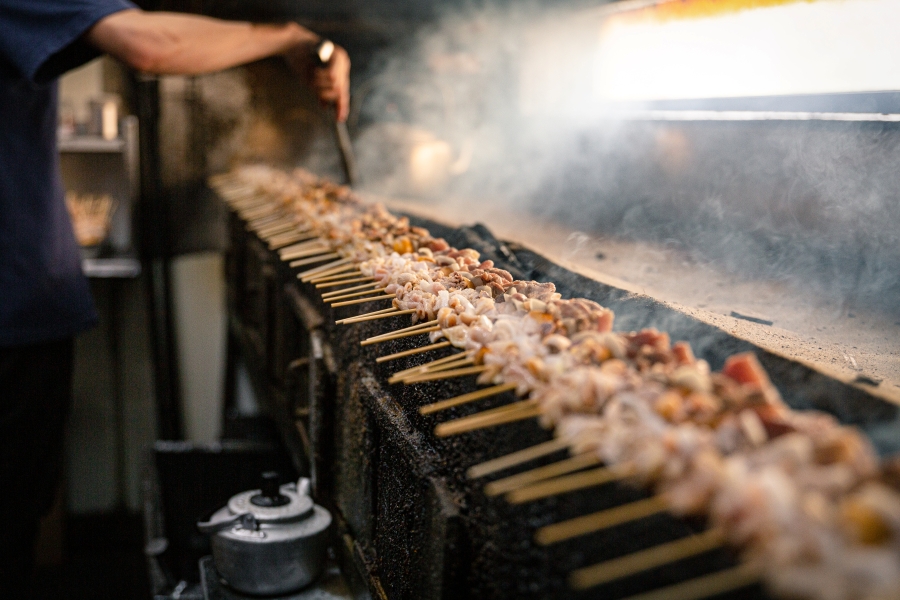
Walking through Japanese nightlife districts, you’ll smell grilled meat long before you see the restaurant. Yakitori and yakiton are staples of casual dining, especially at izakaya.
What Is Yakitori?
Yakitori literally means “grilled chicken.” Almost every part of the chicken is used, reflecting Japan’s philosophy of minimizing waste.
Popular Yakitori Cuts
- Momo (thigh): juicy and flavorful
- Negima (chicken & green onion): classic balance
- Tsukune (chicken meatball): often served with egg yolk
- Kawa (skin): crispy and rich
Famous Yakitori Areas
- Omoide Yokocho – atmospheric and tourist-friendly
- Ebisu – known for high-quality yakitori
What Is Yakiton?
Yakiton is grilled pork skewers. It’s especially popular in working-class neighborhoods and offers bold, hearty flavors.
Popular Yakiton Cuts
- Bara (pork belly)
- Kashira (cheek meat)
- Shiro (intestines, very popular with locals)
Where Yakiton Shines
- Ueno – casual standing bars
- Kitasenju – old-school local atmosphere
Yakitori vs Yakiton
Yakitori is cleaner and lighter; yakiton is richer and more rustic. Trying both gives a full picture of Japanese street food culture.
\ Get the latest news /