What Is Wabi of Wabisabi?
 melomelotours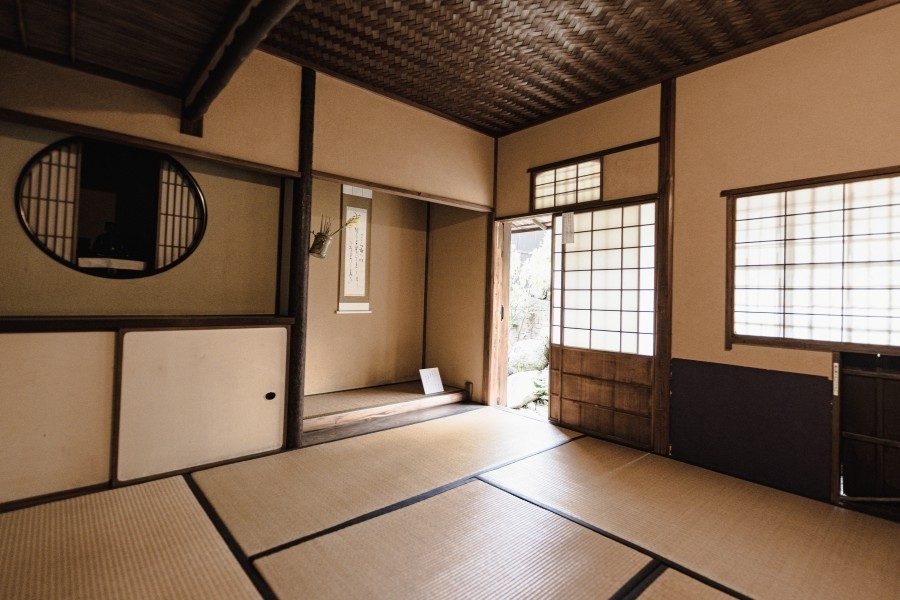
The Japanese Beauty of Imperfection and Simplicity
Introduction: Finding Beauty in What Is Not Perfect
When people talk about wabi-sabi, they often treat it as one word.
However, wabi and sabi are two different ideas.
Wabi refers to a uniquely Japanese sense of beauty that finds value in simplicity, imperfection, and incompleteness.
Rather than seeking luxury or perfection, wabi teaches us to appreciate what is modest, quiet, and unfinished.
The Origin of Wabi
Originally, the word wabi had a negative meaning, associated with:
- Poverty
- Loneliness
- A sense of lack
Over time, especially during the development of the Japanese tea ceremony, this meaning changed dramatically.
Tea master Sen no Rikyu transformed wabi into a positive aesthetic by valuing:
- Small, simple tea rooms
- Handmade, imperfect tea bowls
- Minimal decoration
This shift turned “lack” into spiritual richness.
Wabi and Japanese Minimalism
Modern Japanese minimalism is deeply connected to the idea of wabi.
You can see this in:
- Clean interiors with very few objects
- Natural materials such as wood and paper
- Empty space treated as an important design element
Wabi is not about being poor or austere.
It is about choosing less in order to feel more.
Wabi in Modern Japanese Pop Culture
Interestingly, the spirit of wabi also appears in Japanese pop culture, especially in idol culture.
Unlike Western celebrities who are often expected to be flawless, Japanese idols are often admired for being:
- Unpolished
- Slightly awkward
- Still “growing”
This appreciation of amateur-like charm and imperfection reflects the wabi mindset: beauty does not need to be complete to be meaningful.
Kintsugi: Embracing Imperfection
Kintsugi is the Japanese art of repairing broken pottery with lacquer mixed with gold.
Instead of hiding cracks, kintsugi:
- Makes damage visible
- Accepts brokenness
- Refuses to return objects to their original “perfect” state
This philosophy aligns closely with wabi.
It is not about time passing, but about accepting imperfection as it is.
Experiencing Wabi While Traveling in Japan
Travelers can experience wabi in many everyday moments:
- A quiet tea room
- A simple handmade ceramic cup
- A small local café with no decoration
These understated experiences often leave a deeper impression than famous landmarks.
Conclusion: Wabi as a Way of Seeing
Wabi teaches us that:
- Imperfection is not failure
- Simplicity can be profound
- Quiet moments matter
It is a mindset that helps travelers understand the deeper emotional layer of Japanese culture.
\ Get the latest news /