What Is Sabi of Wabisabi?
 melomelotours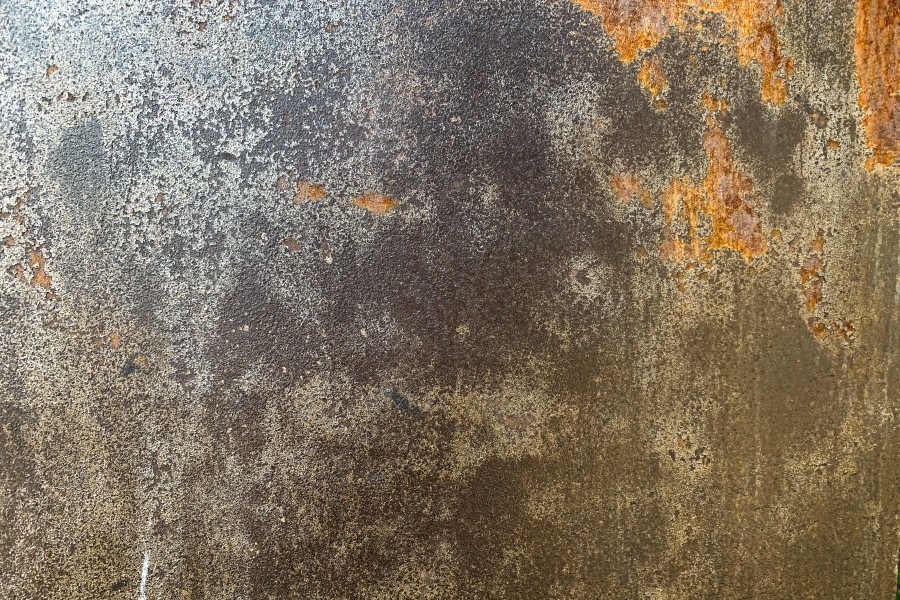
The Beauty of Time, Aging, and Quiet Depth
Introduction: Why Old Things Matter in Japan
Sabi is the second half of wabi-sabi, and it focuses on time.
While wabi is about imperfection, sabi is about aging — the beauty that emerges as objects, places, and people grow older.
In Japan, age does not automatically mean decline.
Often, it means depth.
The Core Idea of Sabi
Sabi values:
- Patina
- Weathering
- Silence
- Traces of the past
Scratches, fading colors, and worn surfaces are not defects.
They are records of time.
The Moss Temple: Sabi in Nature
Kyoto’s Saihō-ji Temple, commonly known as the Moss Temple, is a perfect example of sabi.
Here, moss is not removed or controlled too much.
Instead, it is allowed to grow naturally over decades.
The result is:
- A soft, aged landscape
- A sense of deep stillness
- Beauty created slowly by time
This atmosphere cannot be reproduced quickly — it exists only because of patience.
Old Japanese Houses and Wooden Architecture
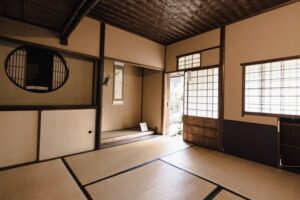
Traditional Japanese houses also express sabi beautifully.
Features such as:
- Darkened wooden beams
- Worn floorboards
- Slightly uneven pillars
tell the story of people who lived there long ago.
These buildings are not admired despite their age —
they are admired because of it.
Sabi and the Acceptance of Aging
Sabi is not limited to objects or places.
It also influences how aging is perceived.
Rather than obsessing over youth, sabi respects:
- Experience
- Calmness
- Quiet dignity
This idea contrasts strongly with modern, fast-paced societies and offers travelers a different perspective on life.
Where Travelers Can Feel Sabi
You can experience sabi in:
- Old temples and shrines
- Traditional gardens
- Quiet countryside towns
- Historical neighborhoods in cities like Kyoto and Kanazawa
These places invite you to slow down and observe.
Conclusion: Sabi as Respect for Time
Sabi reminds us that:
- Change is natural
- Aging adds meaning
- Silence can be powerful
Understanding sabi helps travelers see Japan not just as a destination, but as a culture shaped by time itself.
\ Get the latest news /