
Understanding “Jirai-kei” – Japan’s Emotional but Fascinating Fashion Trend
 melomelotours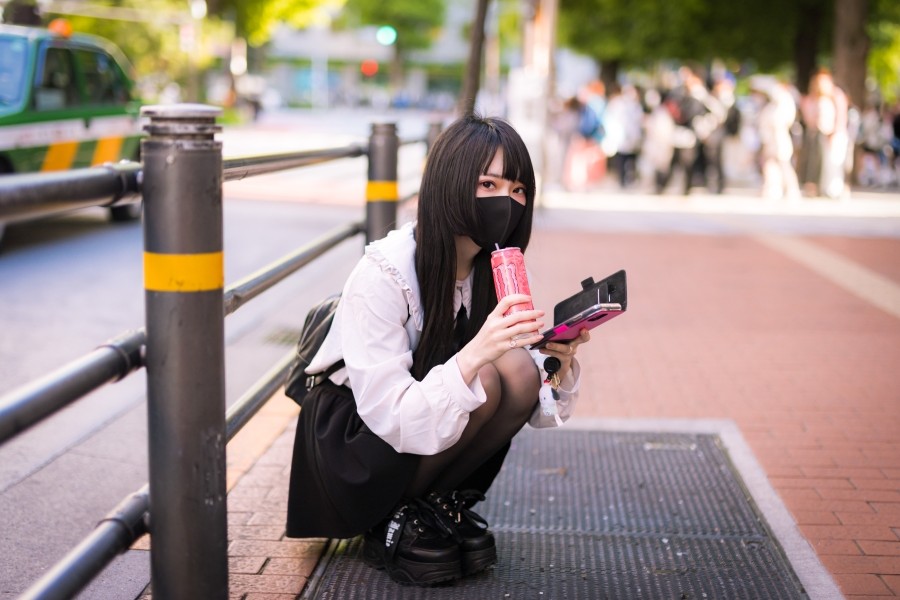
Japan’s street fashion has always been known for its creativity, emotional expression, and bold originality. Harajuku produced styles like Lolita, Decora, Fairy Kei, and Yami Kawaii, each reflecting a different subculture. In recent years, another style has gained international attention: Jirai-kei (地雷系).
While originally born from youth culture and social media, the style surged to national recognition thanks to one character: Yua, from the manga and live-action drama “Ashita, Watashi wa Dareka no Kanojo” (“My Boyfriend in Another Life”). Her portrayal as a fragile yet charismatic Jirai-kei icon became a cultural moment, pushing the style into mainstream awareness.
Often described as “dangerously cute,” Jirai-kei combines sweet, doll-like aesthetics with darker, emotionally charged elements. This article explores what Jirai-kei is, where you can find it in Tokyo, and—most importantly—whether it is still popular today.
What Is Jirai-kei?
The word “jirai” means “landmine"—implying someone who looks adorable on the outside but is emotionally fragile or complicated beneath the surface.
The style emerged in the late 2010s among teenage girls and young women, largely influenced by:
- Host club culture
- Social media icons
- Yami Kawaii (sick-cute) aesthetics
- Idol fashion and dramatic makeup trends
- Maid cafe and ConCafe workers
Unlike traditional Harajuku fashion, which is playful or colorful, Jirai-kei expresses a mix of sweetness and emotional vulnerability.
Key Features of Jirai-kei Fashion
Typical Jirai-kei outfits combine soft, cute elements with sharp, dark contrasts. Common items include:
Fashion Items
- Short pleated skirts or fluffy mini-skirts
- Black or white platform shoes
- Lace blouses, sailor tops, or ribbon chokers
- Cardigans worn oversized
- Heart-shaped purses or cute accessories
Color Palette
- Pastel pink + black (most iconic combo)
- White, lavender, wine-red accents
- Occasional checks or lace patterns
Makeup & Hair
- Long straight hair or twin tails
- Under-eye “tear bag” makeup
- Pink or red eyeshadow
- Glossy lips for a baby-doll look
The overall impression is cute, fragile, emotional, and slightly dramatic.
Is Jirai-kei Still Popular in 2024–2025?
The short answer: Yes, but with changes.
Peak Popularity
Jirai-kei exploded on TikTok and Instagram around 2020–2022.
Many young women adopted the look for:
- Idol concerts
- Girls’ nights out
- Host club visits
- Purikura (photo booth) shoots
Current Situation
By 2024–2025, the trend is less explosive but still very visible—especially in:
- Harajuku (Takeshita Street)
- Shibuya
- Ikebukuro (Sunshine City area)
- Akihabara
The style has become more “daily wear” for a subset of young women rather than a mainstream fashion boom. You’ll still spot the classic pink-and-black outfits, but many people now wear a softer, toned-down version known as “Jirai-kawaii casual.”
Why It Survives
- The aesthetic photographs well for social media
- Idol culture and nightlife fashion continue to influence youth trends
- Brands like WEGO, Royal Party, Honey Cinnamon, and Ank Rouge still release Jirai-inspired pieces
So while Jirai-kei isn’t at peak hype anymore, it remains a stable subculture with loyal fans.
Where to Experience Jirai-kei in Tokyo
Even visitors can enjoy discovering this unique aesthetic. Some places to spot or shop for Jirai-kei fashion include:
Harajuku — Takeshita Street
A constant source of youth fashion. Stores like WEGO and 6%DOKIDOKI often carry items that fit Jirai-kei styling.
Shibuya — Center-gai & 109
Shibuya 109 has several brands influenced by Jirai and Yami Kawaii aesthetics. You’ll also see many youths wearing the style on weekends.
Ikebukuro
Especially popular among young women attending anime, idol, or host-style events. Purikura shops often have Jirai-kei themed filters.
Akihabara
If you want to see Jirai-kei in action, Akihabara is the place.
From 5 PM onward, you’ll easily spot:
- ConCafe staff in Jirai outfits
- Pink-and-black fashion on the street
- Visitors taking photos in themed cafés
It’s one of the most vivid windows into modern Japanese pop-culture aesthetics.
Final Thoughts
Jirai-kei represents a fascinating part of contemporary Japanese youth culture—an aesthetic that blends cuteness with emotional expression. While the peak trend has passed, it remains a meaningful and visually striking style in Tokyo, especially around Harajuku and Ikebukuro.
For travelers interested in street fashion, spotting Jirai-kei on the streets or browsing Jirai-inspired shops can offer a deeper look into modern Japanese pop culture.
\ Get the latest news /