
Ume (Plum Blossoms) – Japan’s Elegant Flowers Often Mistaken for Cherry Blossoms
 melomelotours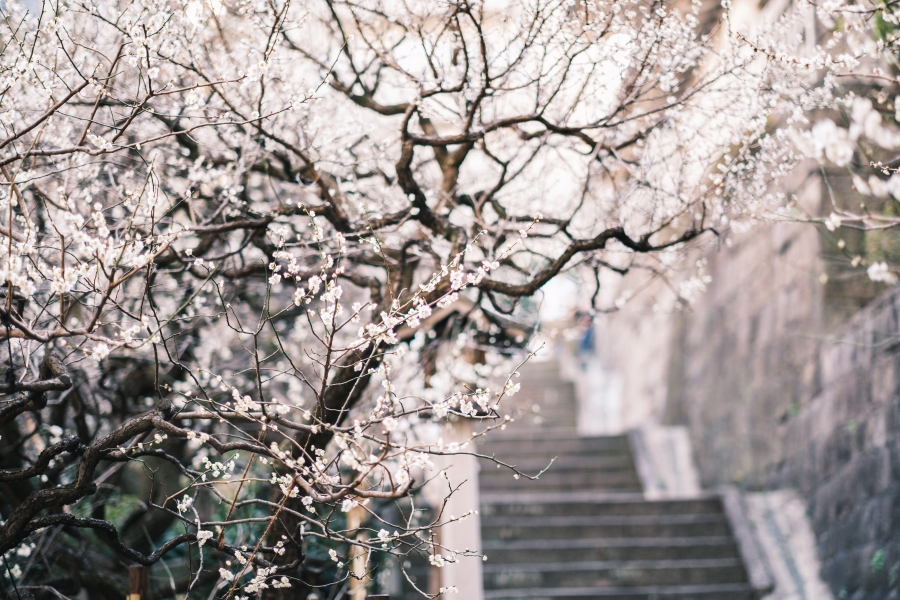
When visiting Japan in late winter or early spring, many travelers are surprised to see pink or white blossoms blooming before cherry blossom season. These flowers are often mistaken for sakura, but they are actually ume (plum blossoms)—a flower with a much longer history and deeper cultural roots in Japan.
Understanding ume offers a richer perspective on Japan’s seasonal traditions and food culture.
Ume vs. Sakura: How to Tell the Difference
At first glance, ume and sakura can look very similar. However, there are a few key differences:
- Blooming season: Ume bloom earlier, usually from February to early March
- Fragrance: Ume blossoms have a strong, sweet scent, while sakura are subtle
- Petals: Ume petals are rounder, and the flowers grow closer to the branch
Because ume bloom during the coldest part of the year, they are often seen as a symbol of endurance and quiet strength.
The Historical Importance of Ume in Japan
Ume were introduced to Japan from China over 1,000 years ago and quickly became beloved among aristocrats and scholars.
Before cherry blossoms became dominant, ume were the most admired flowering trees in Japan.
Poems about ume appear frequently in early Japanese literature, including the Manyoshu, the oldest existing collection of Japanese poetry.
Ume were associated with:
- Learning and refinement
- Protection against evil
- The arrival of spring
This deep historical significance predates the widespread popularity of sakura.
Famous Ume Viewing Spots in Japan
Although cherry blossom viewing is more famous today, Japan has many excellent ume viewing locations:
- Kairakuen (Mito) – One of Japan’s Three Great Gardens, famous for hundreds of plum trees
- Yushima Tenjin (Tokyo) – Popular with students praying for academic success
- Kitano Tenmangu (Kyoto) – Dedicated to Sugawara no Michizane, closely associated with ume
- Atami Plum Garden – One of the earliest blooming spots in Japan
Ume festivals are often quieter and less crowded than cherry blossom events, making them ideal for relaxed sightseeing.
Ume in Japanese Food Culture
Ume are not just admired for their beauty—they are also essential to Japanese cuisine.
Umeboshi: Preserved Plum with a Punch
Umeboshi are pickled plums known for their intense sourness and saltiness.
They have been eaten for centuries as:
- A natural preservative
- A symbol of health and stamina
- A common ingredient in bento lunches
Umeshu: Sweet Plum Wine
Umeshu is a popular Japanese liqueur made by steeping ume in alcohol and sugar.
It is sweet, aromatic, and easy to drink, making it popular with a wide range of people.
Umeshu is often enjoyed:
- On the rocks
- With soda
- As a seasonal homemade drink
Ume as a Symbol of Resilience
Because ume bloom while winter still lingers, they represent patience, resilience, and hope in Japanese culture.
This symbolism appears in:
- Traditional art and kimono patterns
- Family crests
- Seasonal greetings and poetry
Ume remind people that spring arrives quietly before it arrives spectacularly.
Experiencing Ume in Japan Today
For travelers, ume offer a unique seasonal experience:
- Fewer crowds than cherry blossom season
- Beautiful flowers with a rich fragrance
- Deep connections to history, literature, and food
Recognizing ume allows visitors to appreciate Japan’s seasons more deeply—and avoid mistaking them for sakura.
\ Get the latest news /