
Tokyo Housing – What Everyday Homes Are Really Like
 melomelotours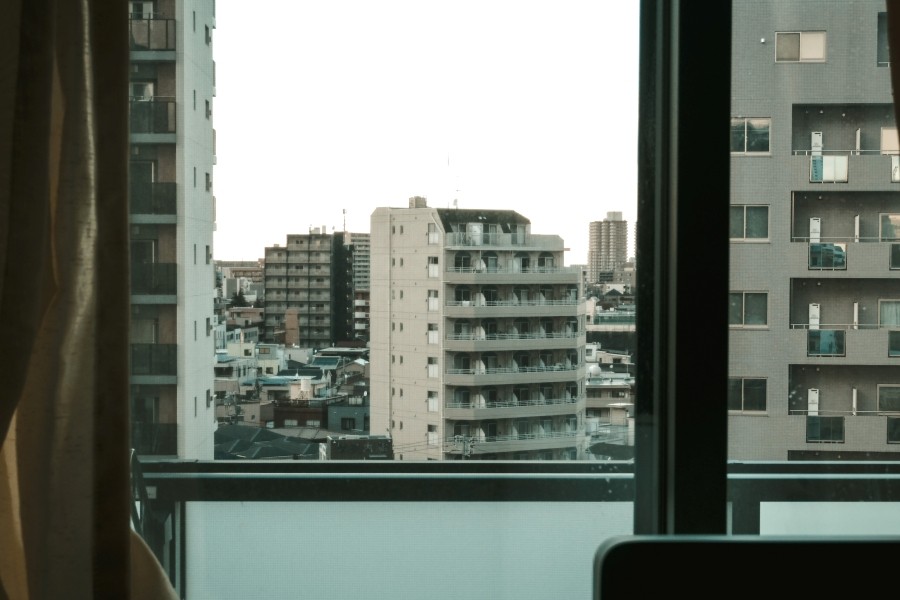
When visiting Tokyo, many travelers wonder what daily life looks like for people living in one of the world’s busiest cities. You may imagine futuristic high-rise apartments or traditional wooden houses, but the reality is somewhere in between.
This article explains typical housing styles, size, cost of rent, ownership vs. renting, and living conditions in modern Tokyo—useful for anyone curious about life beyond sightseeing.
Do Most People Rent or Own Homes?
Unlike many Western countries where home ownership is common, the majority of people in central Tokyo rent rather than own property.
This is mainly because:
- Property prices in Tokyo are extremely high
- Space is limited
- Many people frequently move due to work changes
- Renting is more flexible and convenient
While home ownership becomes more common in suburban areas, young professionals and students living in central Tokyo overwhelmingly choose rental apartments.
How Big Are Tokyo Apartments?
Tokyo homes are known for being small compared to those in North America or Europe. The average size varies depending on the number of rooms:
| Type | Description | Average Size |
|---|---|---|
| 1R / 1K | One room with kitchen | 15–25 m² |
| 1LDK | Bedroom + living/dining/kitchen | 30–45 m² |
| 2LDK | Two bedrooms + living area | 50–70 m² |
| 3LDK | Larger family apartment | 70–90 m² |
For single residents in central Tokyo, a typical apartment is about 20m², which includes a small bathroom, compact kitchen, and a multipurpose living/sleeping area.
To visitors it may feel tiny, but smart storage and efficient design make it surprisingly comfortable.
How Much Is Rent in Tokyo?
Rent depends heavily on location, building age, and distance from a train station.
Typical monthly prices are:
| Area | Example Neighborhoods | Average Rent (1 room) |
|---|---|---|
| Central Tokyo | Shinjuku, Shibuya, Minato | ¥90,000–¥130,000 |
| Popular Residential Areas | Nakameguro, Koenji, Kichijoji | ¥70,000–¥100,000 |
| Outer Suburbs | Saitama, Chiba, Kanagawa | ¥50,000–¥70,000 |
Larger homes for families—especially houses—can cost ¥200,000–¥500,000 or more in good locations.
Rent in Tokyo usually includes:
- Basic maintenance fee
- Secure building entry
- Bicycle parking
But utilities such as electricity, water, gas, and internet are paid separately.
What Are Typical Features of Tokyo Homes?
Compact Bathrooms
Bathrooms are often divided into two spaces: a toilet room and a bathing room with a shower and deep bathtub.
Small Kitchens
Many kitchens have only one or two burners and limited counter space. Many locals eat out or buy meals at convenience stores.
No Central Heating
Most homes use air-conditioning units that work as both heaters and coolers. Floors are usually not carpeted.
High-Tech Appliances
Even small apartments may include advanced toilets, smart locks, and multifunction microwave ovens.
Shoes Off Inside
It is traditional to remove shoes at the entrance and wear slippers indoors.
Buying a Home in Tokyo
Owning property in central Tokyo is expensive but possible. Condos start around:
- ¥50 million–¥80 million for a small 1LDK
- ¥100 million+ for larger apartments in luxury districts
Many families choose suburban houses instead, where space is larger and prices are lower.
How Locals Feel About Space
While homes may be small, many Tokyo residents don’t feel restricted because:
- Cities offer countless places to spend time outside—cafés, parks, shops, co-working spaces
- People value convenience and accessibility more than size
- Public transportation makes moving around easy
Tokyo life prioritizes location over space.
Conclusion
Tokyo’s housing is compact, efficient, and designed for convenience. Most residents rent rather than own, and while apartments are smaller than what many foreigners expect, smart design and public amenities create a comfortable lifestyle.
Understanding everyday living conditions adds depth to your travel experience—and might inspire you to imagine what it’s like to live in Japan yourself.
\ Get the latest news /