The Spirit of Sumo – Japan’s Ancient National Sport
 melomelotours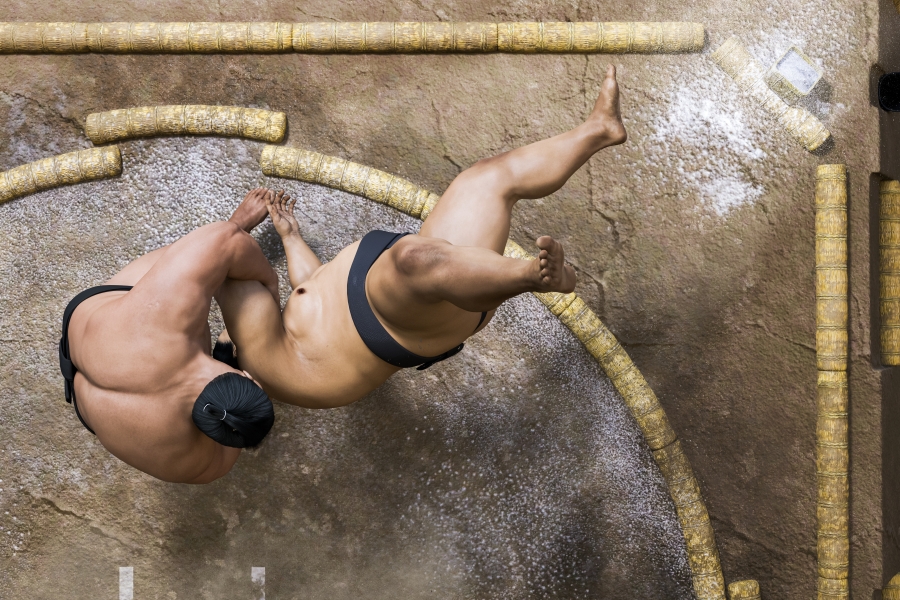
When visitors think of Japan, images of sushi, temples, and cherry blossoms often come to mind—but few things capture the essence of Japanese tradition like sumo wrestling. More than just a sport, sumo is a sacred ritual deeply connected to Japan’s history, religion, and culture. Watching a sumo match in person is one of the most unique experiences you can have in Japan.
What Is Sumo?
Sumo is a traditional form of wrestling where two competitors—called rikishi—face each other in a circular ring known as a dohyō. The goal is simple: push your opponent out of the ring or make them touch the ground with any part of the body other than the soles of their feet.
Despite its simplicity, every match is full of power, strategy, and centuries-old ritual.
Ancient Roots and Shinto Connection
Sumo’s origins date back more than 1,500 years. It was originally performed as a Shinto ritual to entertain the gods and pray for good harvests. Many of the gestures and ceremonies in modern sumo—such as the salt throwing, stomping, and clapping—come directly from these religious roots.
Before each match, wrestlers throw salt to purify the ring and clap their hands to attract the gods’ attention. It’s not just a contest of strength—it’s a spiritual performance.
Life of a Sumo Wrestler
Sumo wrestlers live and train in sumo stables (heya), where their daily lives follow strict traditions. They wake up early, train for hours, and eat a famous dish called chanko-nabe—a hot pot full of protein and vegetables to help them build size and strength.
Rank and hierarchy are extremely important. The higher your rank, the more privileges you have—from wearing different clothing to eating after the others.
The Sumo Tournament Calendar
There are six official sumo tournaments (honbasho) held each year:
- Tokyo (January, May, September)
- Osaka (March)
- Nagoya (July)
- Fukuoka (November)
Each tournament lasts 15 days, and the atmosphere inside the Ryogoku Kokugikan arena in Tokyo—the main sumo stadium—is truly electric. You’ll hear the crowd cheer, see colorful banners, and feel the intensity as each wrestler enters the ring in ceremonial robes.
How to Watch Sumo
If you want to see sumo in person, here are a few tips:
- Book early. Tickets often sell out fast, especially for weekends.
- Arrive early. Lower-ranked matches happen in the morning, while top wrestlers compete in the afternoon.
- Visit the Sumo Museum inside Ryogoku Kokugikan to learn about sumo history and famous champions.
- Try chanko-nabe at a restaurant nearby—many are run by retired wrestlers!
Sumo Etiquette for Visitors
Sumo events are quiet and respectful during ceremonies, but loud cheers are welcomed during matches. You can clap, shout your favorite wrestler’s name, or wave a flag—but avoid standing or blocking others’ views. Remember that sumo is both a sport and a sacred tradition.
Final Thought
Watching a sumo tournament is more than entertainment—it’s a window into Japan’s ancient culture, discipline, and spiritual beliefs. Whether you’re a sports fan or a culture lover, experiencing sumo live is one of the most memorable things you can do in Japan.
\ Get the latest news /