
The Art of Origami – A Simple, Beautiful Tradition Travelers Love
 melomelotours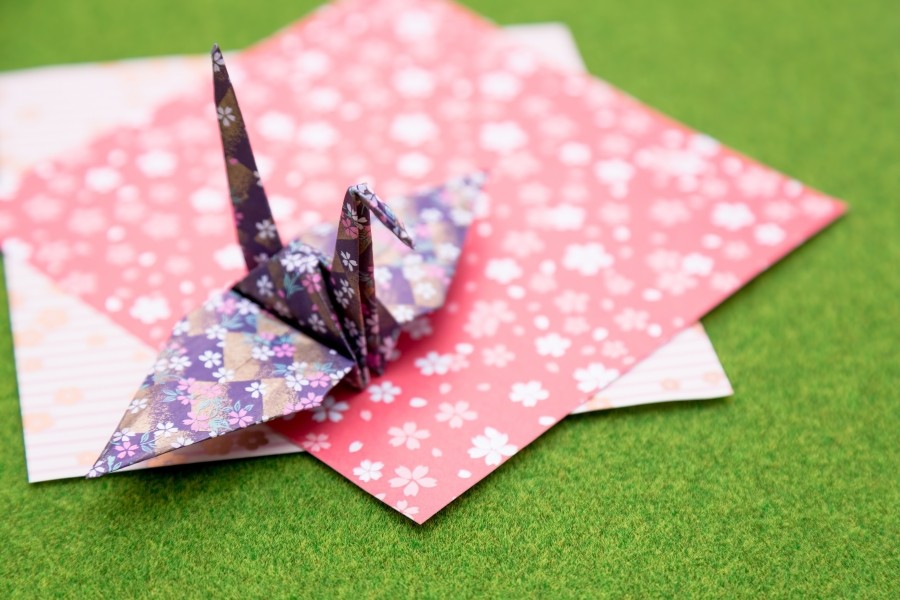
When people think of Japan, origami—the art of folding paper—is often one of the first cultural images that comes to mind. But origami is more than a cute travel souvenir or a childhood activity. It reflects Japanese values of simplicity, creativity, mindfulness, and the idea that beauty can come from the most ordinary materials.
Whether you are visiting Japan for the first time or are a repeat traveler, origami offers a unique way to connect with the culture. Here’s your guide to understanding and enjoying this traditional craft.
What Is Origami?
Origami (折り紙) literally means “folded paper.”
It is the Japanese art of creating shapes—animals, flowers, geometric forms—out of a single square sheet of paper without cutting or using glue.
Historically, origami began as a ceremonial practice, used for rituals and celebrations. Over time it evolved into a popular art form enjoyed by children, artists, and hobbyists all over the world.
1. The Most Famous Origami: The Crane
If you learn only one origami shape during your trip, make it the orizuru (paper crane).
In Japan, cranes symbolize longevity, peace, and good fortune.
There is a tradition called senbazuru—folding 1,000 cranes and stringing them together—often seen at temples and memorials. Visitors can find them in places like Hiroshima Peace Park.
Folding a crane yourself is a lovely travel memory and a meaningful gesture of goodwill.
2. Seasonal & Decorative Origami
Origami often reflects the seasons, just like Japanese sweets and art.
You’ll find designs shaped like:
- Cherry blossoms
- Autumn leaves
- Frogs
- Goldfish
- Stars
- Traditional helmets (kabuto)
These small pieces make great souvenirs or decorations for your travel photos.
3. Washi: The Beautiful Paper Behind the Art
While you can fold origami with any kind of paper, Japan is famous for its washi—a strong, silky traditional paper with beautiful patterns.
Washi origami paper often features:
- Gold accents
- Seasonal motifs
- Sumi-ink patterns
- Ukiyo-e style prints
Travelers often buy small origami paper packs as lightweight, easy-to-pack gifts.
4. Origami Workshops in Japan
Trying origami hands-on is one of the easiest cultural experiences for foreign visitors. Many places offer workshops:
✅ Cultural centers
✅ Tourist information offices
✅ Traditional craft studios
✅ Some temples and shrines during festivals
✅ Hotels with cultural activity programs
Workshops are beginner-friendly, and instructors guide you through basics like cranes, flowers, and boxes.
5. Where to Buy Origami Paper in Tokyo
If you want to bring home beautiful paper, here are traveler-friendly spots:
- Itoya (Ginza): A famous stationery store with a huge selection of washi.
- Loft & Tokyu Hands: Colorful, playful origami paper packs.
- Asakusa & Kappabashi: Traditional-style paper shops.
- Daiso & Seria: Budget-friendly options starting from 100 yen.
Most shops sell small-size packs perfect for souvenirs.
6. Why Travelers Love Origami
Origami is popular among tourists because:
- It’s inexpensive
- Easy to try anywhere
- Relaxing and mindful
- Beautiful for photography
- A meaningful cultural connection
- And it makes a great gift!
You don’t need artistic talent—just a piece of paper and a few minutes of quiet focus.
Conclusion
Origami may look simple, but it carries centuries of Japanese spirit: respect for materials, attention to detail, and the art of finding beauty in small things.
During your visit to Japan, try folding your own crane or visit a shop filled with colorful washi.
It’s one of the easiest—and most charming—ways to take a piece of Japan home with you.
\ Get the latest news /