
Seijin Shiki – Japan’s Coming of Age Ceremony Explained
 melomelotours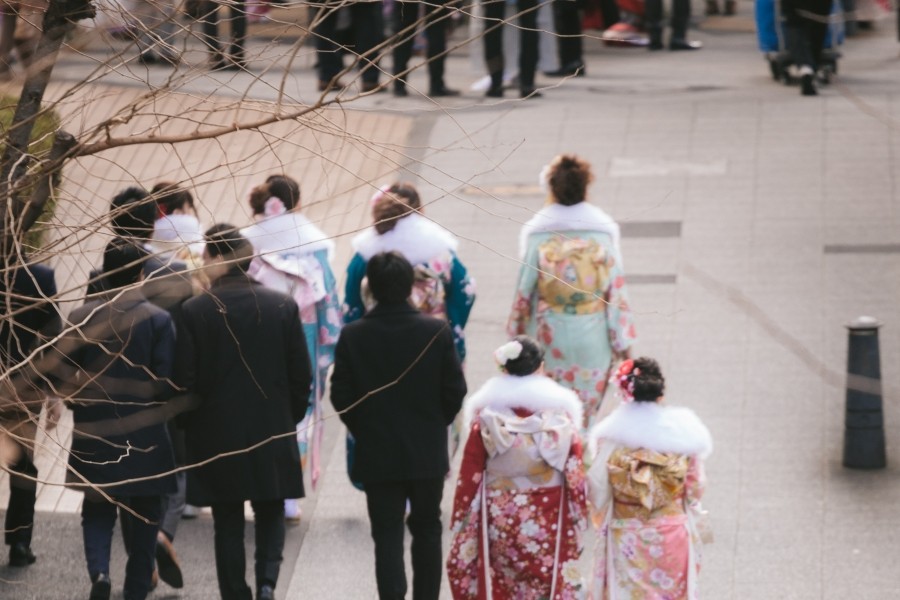
When visiting Japan in January, travelers may notice young people wearing elegant kimono or formal suits, gathering around city halls and public spaces. This celebration is called Seijin Shiki, Japan’s Coming of Age Ceremony, a meaningful event that marks an important milestone in life.
In this article, we explain what Seijin Shiki is, when it takes place, what people wear, and how Japan’s legal age of adulthood has changed in recent years.
What Is Seijin Shiki?
Seijin Shiki is a traditional ceremony held to celebrate those who have reached adulthood. For many decades, the age of adulthood in Japan was 20 years old, and Seijin Shiki was established to honor people turning 20.
The ceremony symbolizes becoming a responsible member of society and being officially recognized as an adult.
A Change in the Legal Age of Adulthood
In April 2022, Japan lowered its legal age of adulthood from 20 to 18. This change allows 18-year-olds to sign contracts, apply for credit cards, and make certain legal decisions without parental consent.
However, despite this legal change, Seijin Shiki ceremonies are still mainly held for people who turn 20. This is because turning 20 has long cultural significance in Japan, and many local governments decided to keep the tradition unchanged to avoid confusion.
It is important to note that some age-related restrictions, such as drinking alcohol, smoking, and gambling, still remain at age 20.
When Is Seijin Shiki Held?
Seijin Shiki usually takes place on Coming of Age Day, a national holiday celebrated on the second Monday of January. Ceremonies are organized by local governments and held at city halls, cultural centers, or large venues.
Because the event is held nationwide, many cities feel especially lively on this day.
What Happens During the Ceremony?
The ceremony itself is formal but relatively short. Local officials give speeches congratulating the new adults and encouraging them to act responsibly and contribute to society.
After the official event, participants meet friends, take commemorative photos, and celebrate with family or attend parties.
Traditional and Modern Attire
One of the most visually striking parts of Seijin Shiki is the clothing.
Many women wear furisode, a long-sleeved kimono traditionally worn by unmarried women. These colorful outfits are often rented and styled professionally for the occasion.
Men may wear hakama with kimono or Western-style suits. In recent years, suits have become increasingly common.
Why Seijin Shiki Remains Important
Even with the change in the legal age of adulthood, Seijin Shiki remains an important cultural event. It reflects Japanese values such as responsibility, community, and respect for tradition.
For families, it marks a major life milestone. For participants, it represents both freedom and responsibility as they step into adulthood.
Seeing Seijin Shiki as a Traveler
Travelers may encounter Seijin Shiki celebrations near city halls, public spaces, shrines, and parks. Visitors are welcome to observe and take photos respectfully, and many participants are happy to be photographed if asked politely.
A Unique January Experience in Japan
Seijin Shiki offers travelers a chance to witness how Japan blends tradition with modern social changes. The ceremony continues to evolve, while still honoring its historical roots.
If you visit Japan in January, seeing Seijin Shiki can be a memorable and meaningful cultural experience.
\ Get the latest news /