Osechi – A Guide to Japan’s Traditional New Year Cuisine
 melomelotours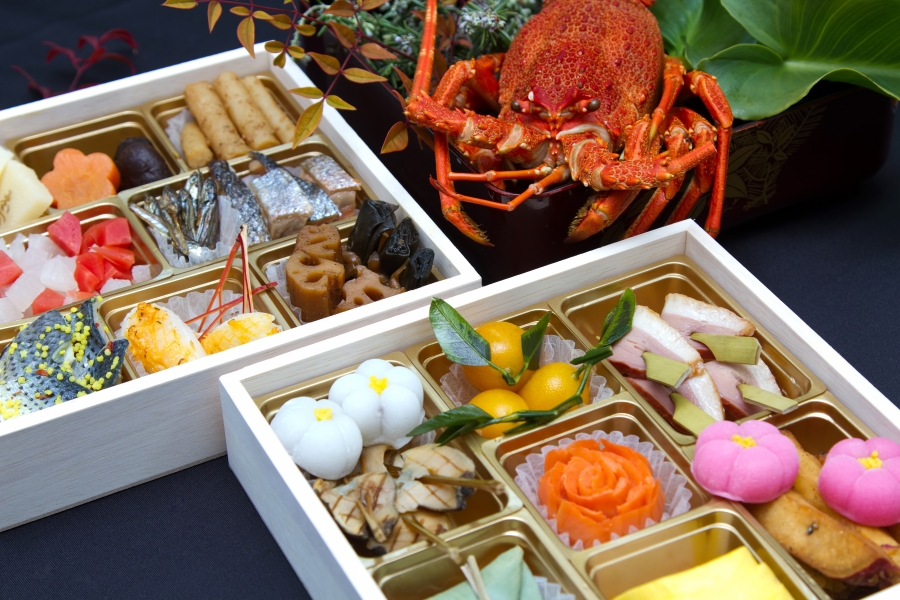
When visiting Japan around the New Year season, you may come across beautifully arranged boxes filled with colorful foods called Osechi. More than just a meal, Osechi is a centuries-old tradition that reflects Japanese values, wishes for the future, and deep cultural symbolism. In this article, we explore what Osechi is, why it is important, and how travelers can experience it in Japan.
What Is Osechi?
Osechi refers to traditional Japanese dishes prepared specifically for the New Year, known as Shogatsu. These foods are usually packed into elegant, stackable lacquer boxes called jubako. Each layer contains different dishes, carefully arranged to represent prosperity, health, happiness, and longevity.
The custom dates back to the Heian period (794–1185), when people prepared food in advance so they could rest during the first days of the New Year. Traditionally, cooking was avoided during this period to give both families and kitchen gods a break. As a result, Osechi dishes are made to last several days, often seasoned with sugar, soy sauce, vinegar, or salt for preservation.
Symbolism Behind Osechi Dishes
One of the most fascinating aspects of Osechi is that almost every item carries a symbolic meaning. Here are some of the most common dishes you may see:
- Kuromame (sweet black soybeans): Represent health and diligence. The word “mame” also means to work hard.
- Kazunoko (herring roe): Symbolizes fertility and prosperity for future generations.
- Datemaki (sweet rolled omelet): Associated with knowledge and culture, as it resembles old scrolls.
- Tazukuri (dried sardines): A symbol of good harvests and financial success.
- Ebi (shrimp): Represents longevity, as its curved shape resembles an elderly person’s back.
Together, these foods express hopes for a successful and peaceful year ahead.
How Osechi Is Enjoyed Today
In modern Japan, Osechi has evolved with the times. While many families still prepare it at home, an increasing number of people order Osechi from department stores, specialty shops, or even famous restaurants and hotels. Some versions are traditional, while others are modern or international, incorporating Western or Chinese influences.
You can also find single-serving Osechi sets, making it easier for individuals or couples to enjoy the tradition without large preparations. Prices range widely, from affordable supermarket versions to luxurious multi-tier boxes costing hundreds of dollars.
Can Travelers Experience Osechi?
Yes—travelers can definitely experience Osechi, even without staying with a Japanese family. During late December and early January, many department stores display Osechi boxes, which are worth seeing for their artistry alone. Some ryokan (traditional inns) and hotels also serve Osechi-style meals for New Year guests.
Another great way to experience Osechi is through food tours or cultural explanations that introduce seasonal customs. Understanding the meaning behind each dish adds depth to the experience and offers insight into how food and tradition are closely connected in Japan.
Why Osechi Matters
Osechi Ryori is more than festive food—it represents gratitude for the past year and hope for the future. For visitors, learning about Osechi provides a deeper understanding of Japanese culture beyond famous landmarks and popular attractions.
If you are visiting Japan during the New Year season, taking time to explore Osechi is a wonderful way to connect with local traditions and start the year with a meaningful cultural experience.
\ Get the latest news /