Nanakusa Gayu – Japan’s Traditional Congee for the New Year
 melomelotours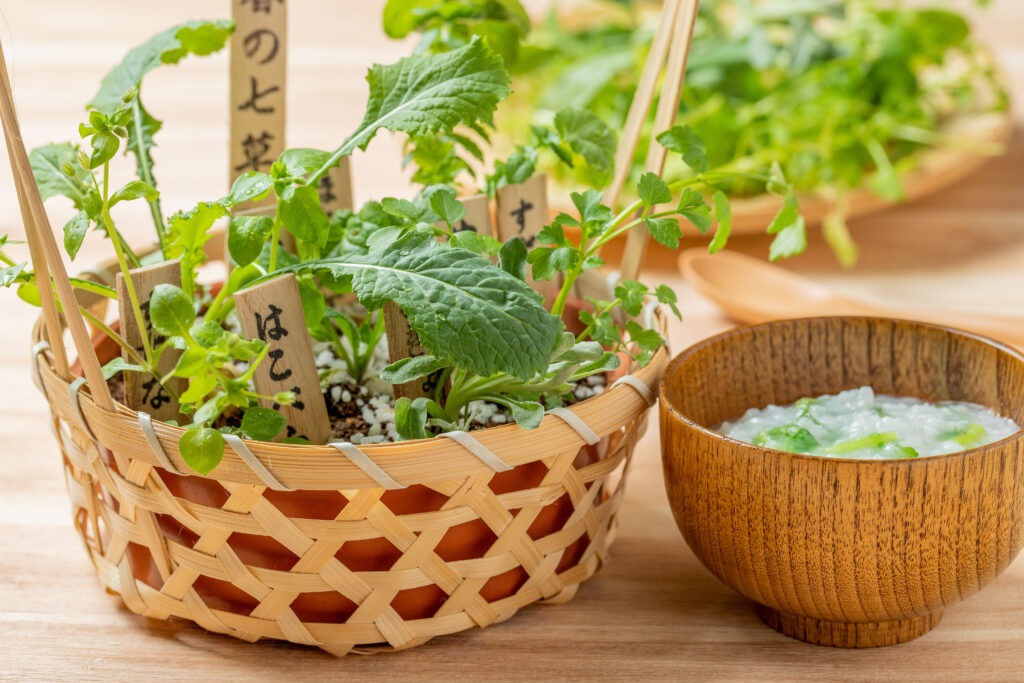
When visiting Japan in early January, you may hear about Nanakusa Gayu, a simple congee eaten on January 7th. After the rich meals and celebrations of the New Year season, this gentle dish is believed to rest the stomach and bring good health for the year ahead. More than just comfort food, Nanakusa Gayu is a tradition deeply rooted in Japanese culture.
What Is Nanakusa Gayu?
Nanakusa Gayu is a light congee made with seven types of herbs, known collectively as the Seven Herbs of Spring. The dish has been enjoyed for centuries and is traditionally eaten on the morning of January 7th.
The custom originates from ancient China and was later introduced to Japan, where it became part of the New Year traditions during the Heian period. Over time, Nanakusa Gayu evolved into a uniquely Japanese practice, symbolizing health, renewal, and a fresh start.
The Seven Herbs of Spring
The seven herbs used in Nanakusa Gayu are simple wild greens that were traditionally gathered in early spring. Today, they are commonly sold as a set in supermarkets before January 7th.
- Seri (Japanese parsley)
- Nazuna (shepherd’s purse)
- Gogyo (cudweed)
- Hakobera (chickweed)
- Hotokenoza (henbit)
- Suzuna (turnip)
- Suzushiro (daikon radish)
Each herb represents vitality and is believed to protect against illness in the coming year.
Why Nanakusa Gayu Is Eaten
After the New Year holidays, Japanese meals often include rich foods such as osechi ryori and mochi. Nanakusa Gayu provides a contrast with its mild flavor and easy-to-digest ingredients.
Traditionally, it is eaten to:
- Rest and reset the digestive system
- Pray for good health and longevity
- Mark the end of the festive New Year period
The dish also reflects the Japanese value of balance—after indulgence comes simplicity.
How Nanakusa Gayu Is Enjoyed Today
In modern Japan, many families still prepare Nanakusa Gayu at home, while others purchase pre-packaged herb sets to make the process easier. Some restaurants and hotels also serve it as part of seasonal menus.
Although the ritual aspect may be less strict today, the dish remains widely recognized, and many people enjoy it as a comforting tradition rather than a religious practice.
Can Travelers Try Nanakusa Gayu?
Yes, travelers visiting Japan in early January may encounter Nanakusa Gayu in hotels, traditional inns, or special New Year menus. Even if you do not try the dish itself, understanding its meaning adds cultural depth to your New Year experience.
You may also notice supermarket displays featuring the seven herbs, offering a glimpse into how seasonal traditions are woven into everyday life in Japan.
Why Nanakusa Gayu Matters
Nanakusa Gayu is a quiet yet meaningful tradition that emphasizes health, mindfulness, and respect for the seasons. Unlike more visually dramatic New Year customs, it is a personal and reflective practice.
For visitors, learning about Nanakusa Gayu reveals how Japanese culture values gentle transitions and thoughtful beginnings. It is a reminder that the New Year is not only about celebration, but also about care for the body and mind.
\ Get the latest news /