Mochi – Exploring Japan’s Beloved Rice Cake and Its Many Varieties
 melomelotours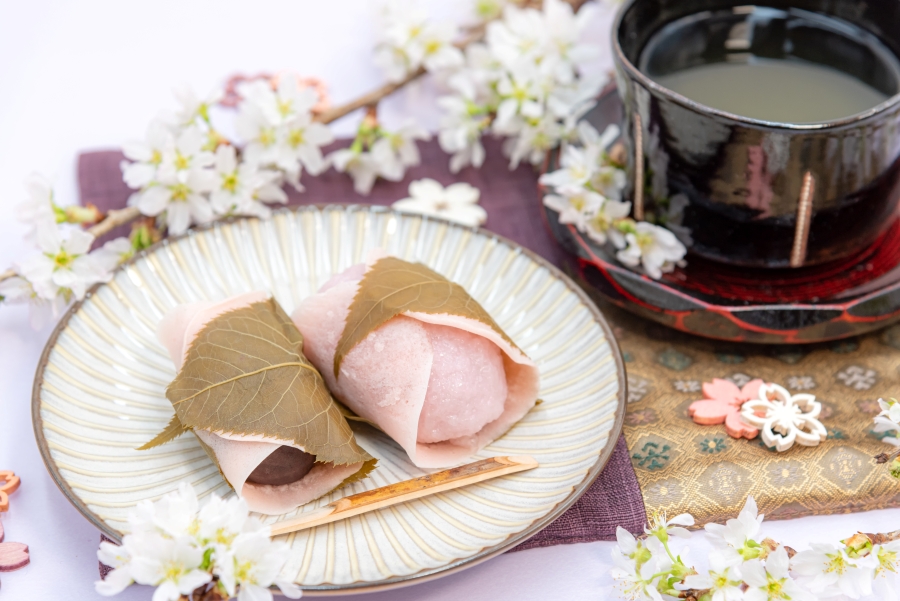
When traveling in Japan, you will often encounter mochi, a chewy rice cake that plays an important role in Japanese food culture. While many visitors recognize mochi as a sweet dessert, it actually comes in a wide variety of forms, both sweet and savory, and is especially connected to New Year traditions.
In this article, we explore what mochi is, introduce popular types commonly referred to as “mochi” in English, and explain why it is so closely linked to the Japanese New Year.
What Is Mochi?
Mochi is made from glutinous rice (sometimes including other grain flour) that is steamed and pounded until it becomes soft, smooth, and elastic. Traditionally, this process—called mochitsuki—was done by hand using wooden mallets and mortars, often as a community event at the end of the year.
The result is a uniquely chewy texture that has become one of the most recognizable elements of Japanese cuisine.
Popular Types of Mochi
Although often grouped under the single word “mochi” in English, there are many different varieties enjoyed throughout Japan.
| Name | Description | Sweet / Savory | Typical Season |
|---|---|---|---|
| Yaki Mochi | Plain mochi grilled until crispy on the outside and soft inside. Often eaten with soy sauce or wrapped in seaweed. | Savory | Year-round / New Year |
| Kinako Mochi | Soft mochi coated with sweet roasted soybean powder. Simple and nostalgic. | Sweet | Year-round |
| Daifuku | Soft mochi filled with sweet red bean paste; modern versions include fruit or cream. | Sweet | Year-round |
| Oshiruko (Zenzai) | Warm sweet red bean soup served with toasted or boiled mochi. | Sweet | Winter / New Year |
| Warabi Mochi | Jelly-like dessert made from bracken starch (sometimes including other grain starch), served chilled with kinako and syrup. | Sweet | Summer |
| Kuzu Mochi | Firm, translucent mochi made from kuzu starch (sometimes including other grain starch); light and refreshing. | Sweet | Summer |
| Sakura Mochi | Pink-colored mochi wrapped in a salt-pickled cherry blossom leaf, combining sweet and salty flavors. | Sweet | Spring (Cherry Blossom Season) |
| Ozoni (with Mochi) | Traditional New Year soup containing mochi, vegetables, and broth; varies by region. | Savory | New Year |
| Kagami Mochi | Decorative mochi offering displayed at New Year as a symbol of good fortune and longevity. | Symbolic | New Year |
Mochi and New Year Traditions
Mochi is deeply connected to Japanese New Year celebrations. One of the most common dishes is Ozoni, a traditional soup served on New Year’s Day that contains mochi along with vegetables and broth. The style of ozoni varies by region, making it a fascinating dish to explore across Japan.
Another important symbol is Kagami Mochi, a decorative offering made of two stacked round mochi topped with a mandarin orange. Kagami mochi is displayed in homes during the New Year as a symbol of good fortune and longevity.
Because mochi represents strength, unity, and prosperity, it is believed to bring good luck when eaten at the beginning of the year.
Why Mochi Is Loved by Locals and Travelers
Mochi’s versatility is one of the reasons it remains so popular. It can be enjoyed hot or cold, sweet or savory, as a snack, dessert, or part of a traditional meal.
For travelers, trying different kinds of mochi offers an easy and delicious way to experience Japanese culture. Whether enjoyed at a local sweets shop, during a festival, or as part of a New Year meal, mochi provides a direct connection to everyday life and seasonal traditions in Japan.
\ Get the latest news /