
Massage & Wellness in Japan – A Guide for International Travelers
 melomelotours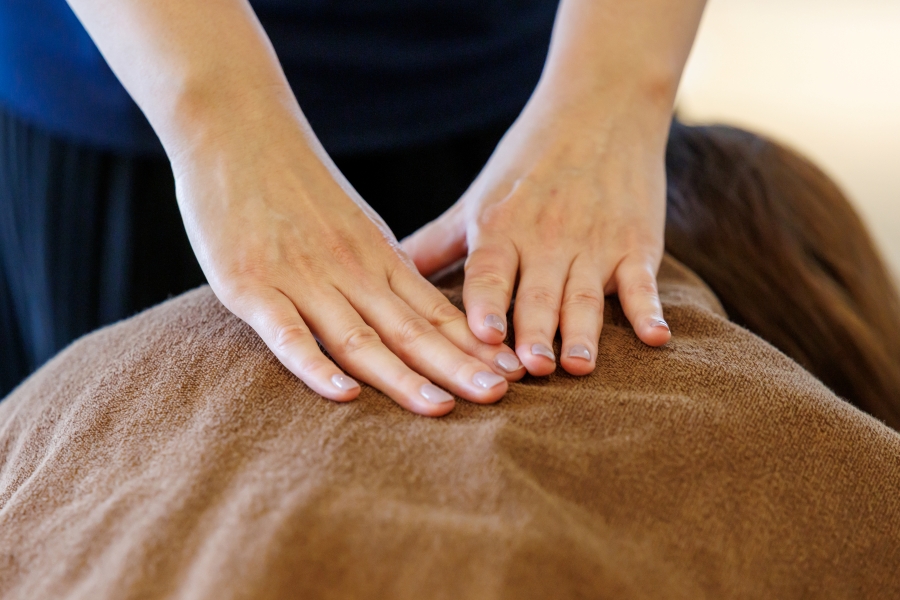
Traveling can be exciting but also physically demanding—long flights, hours of walking, and jet lag often leave visitors exhausted. Japan is an ideal destination to refresh both body and mind, thanks to its rich culture of healing and traditional therapies. From modern relaxation massage to centuries-old acupuncture practices, Japan offers a wide range of wellness experiences for foreign travelers.
Why Choose Massage Services in Japan?
Japan is known for its high-quality customer service and precise professional techniques. Practitioners typically go through extensive training and certification, ensuring safe and reliable treatment. Many clinics focus not only on muscle relaxation but also on improving energy flow, posture, and overall health.
Another unique aspect is the peaceful atmosphere. Treatment rooms are clean, quiet, and designed for comfort, often with soft music and aromatherapy. Even in the busy streets of Tokyo, stepping inside a massage center feels like entering a different world.
Popular Types of Massage for Travelers
Shiatsu Massage
Shiatsu, meaning “finger pressure,” is one of Japan’s most famous therapies. Practitioners use their thumbs, palms, and sometimes elbows to apply pressure to specific points along the body’s energy pathways. This treatment helps release muscle tension, improve blood circulation, and deepen relaxation. Many visitors say Shiatsu feels strong yet healing, especially for shoulder and neck stiffness caused by travel.
Oil or Aromatherapy Massage
For those who prefer a gentle, spa-like experience, oil massage is a popular option. Using smooth strokes and essential oils, therapists help reduce stress and promote deep rest. It’s perfect for recovering from jet lag or after a long day of sightseeing.
Foot Reflexology
Japanese reflexology focuses on pressure points in the feet that are believed to connect to organs throughout the body. This treatment is both relaxing and surprisingly refreshing, especially after walking around cities like Tokyo or Kyoto. Many shops offer 30–60 minute sessions at affordable prices.
Acupuncture (Hari) & Moxibustion (Okyu)
Acupuncture has been practiced in Japan for over 1,500 years. Thin, sterilized needles are gently inserted into specific points to support natural healing, relieve chronic pain, improve digestion, and reduce fatigue. Many clinics combine acupuncture with moxibustion, where herbal heat therapy is applied to stimulate circulation. Even those who are nervous about needles are often surprised by how painless and effective the experience can be.
Seitai (Body Alignment Therapy)
Seitai focuses on correcting posture and body balance through stretching and manual adjustment techniques—great for back pain, hip problems, or stiffness from sitting on planes.
Where to Try Massage in Japan
Tokyo offers hundreds of massage and wellness centers, from luxury hotel spas to traditional neighborhood clinics. Popular areas for tourists include:
- Shinjuku & Shibuya – convenient locations with many affordable walk-in massage shops and reflexology centers.
- Ginza & Roppongi – known for high-end spas and English-friendly acupuncture clinics.
- Asakusa & Ueno – great for traditional Japanese experiences, including Shiatsu and Seitai.
- Hot spring towns (Onsen) such as Hakone or Kusatsu often include massage services after bathing, making it a perfect relaxation combination.
Tips for International Visitors
- Booking in advance is recommended, especially on weekends and evenings.
- Some clinics provide English-speaking staff or translation apps.
- If you have health conditions, communicate them clearly before treatment.
- Prices depend on type and location—Shiatsu typically ranges from ¥4,000–¥8,000 per hour, reflexology from ¥2,500–¥5,000, and acupuncture from ¥5,000–¥10,000.
A Healing Experience to Remember
Receiving massage or acupuncture in Japan is more than just physical care—it’s a chance to experience Japan’s deep wellness culture and hospitality, known as omotenashi. You’ll leave feeling lighter, refreshed, and ready to enjoy the rest of your journey.
So on your next visit, why not treat yourself to a traditional Japanese healing session? It might become one of the most memorable parts of your trip.
\ Get the latest news /