Kintsugi – The Japanese Art of Embracing Imperfection
 melomelotours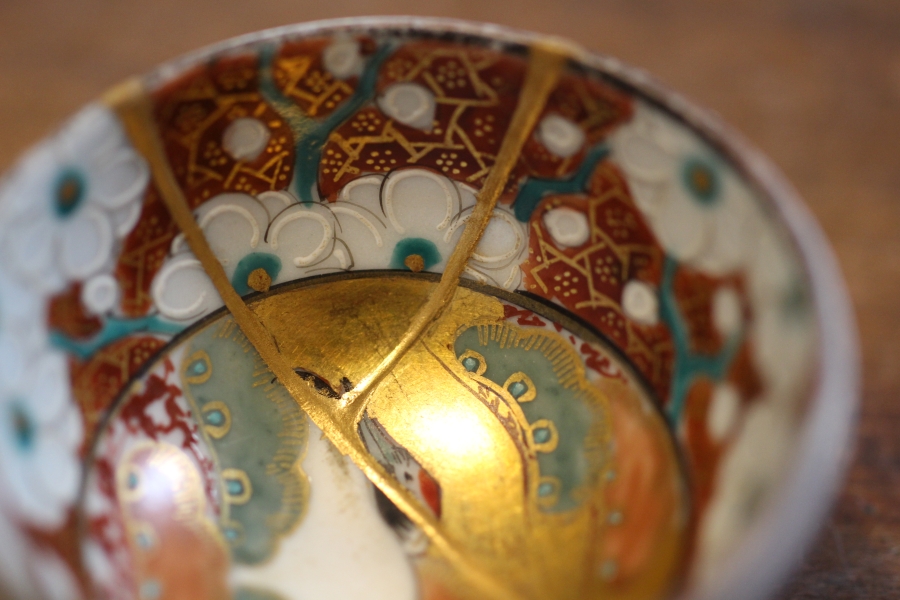
Kintsugi is a traditional Japanese technique of repairing broken pottery using lacquer mixed with gold, silver, or other metals.
Instead of hiding cracks, Kintsugi highlights them—turning damage into beauty.
This philosophy reflects a uniquely Japanese way of seeing the world: imperfection is something to be valued, not erased.
The History of Kintsugi
Kintsugi dates back to the 15th century, during the Muromachi period.
It developed alongside the Japanese tea ceremony and is deeply connected to the concept of wabi-sabi, which finds beauty in simplicity, age, and imperfection.
Rather than discarding broken ceramics, people chose to repair and continue using them—giving objects a second life.
Why Kintsugi Is So Special
1. Every Piece Becomes One of a Kind
No two cracks are the same.
Once repaired, a Kintsugi piece becomes completely unique, carrying its own story.
2. Beauty in Brokenness
Kintsugi does not hide flaws.
It celebrates them, reminding us that experiences—even painful ones—can add value and character.
3. A Sustainable Way of Living
Repairing instead of throwing away fits perfectly with today’s eco-friendly and sustainable lifestyle.
How Kintsugi Works (Basic Steps)
- Broken pieces are carefully rejoined using natural lacquer
- Gaps and chips are filled and shaped
- The surface is polished
- Gold or silver powder is applied
- The piece is left to cure and harden
Traditional Kintsugi can take weeks or even months, requiring patience and care.
Kintsugi in Modern Japan
Today, Kintsugi is enjoyed not only by craftsmen but also by beginners.
Workshops and simplified methods make it possible for visitors to experience this art firsthand.
Internationally, Kintsugi has become a symbol of Japanese philosophy and mindful living.
What Kintsugi Teaches Us
Kintsugi is more than a repair technique.
It teaches us to:
- Accept imperfections
- Respect time and history
- Find beauty in unexpected places
These values resonate deeply with Japanese culture—and with travelers seeking meaningful experiences.
Conclusion
Kintsugi represents the heart of Japanese aesthetics: calm, patience, and appreciation for imperfection.
Through this art, broken objects are not only restored but transformed into something even more beautiful than before.
Experiencing Kintsugi is a wonderful way to connect with Japan on a deeper level.
\ Get the latest news /