
Japan’s Three Great Gardens – A Guide for First-Time Visitors
 melomelotours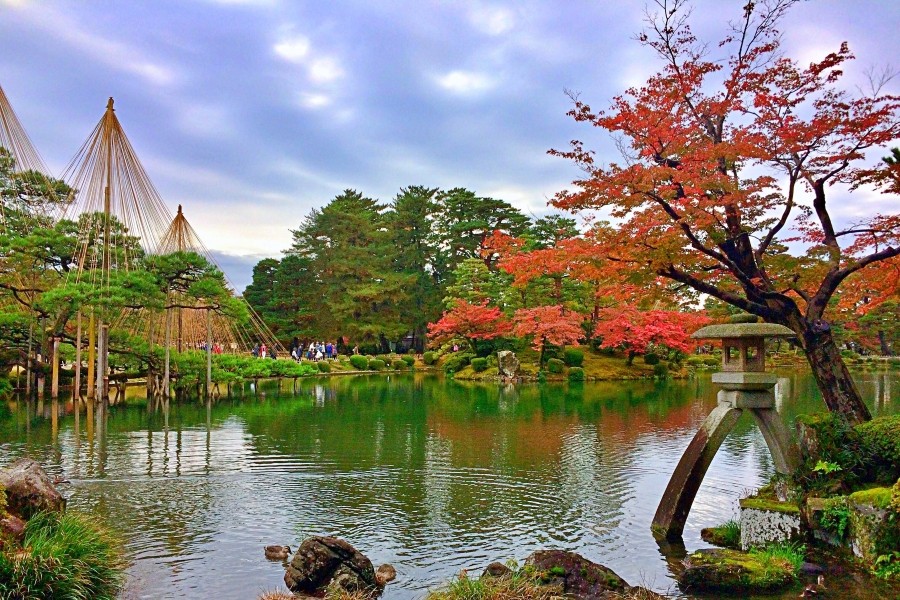
Japan’s gardens are designed not just for beauty, but for contemplation. Among hundreds nationwide, three stand above the rest as Japan’s Three Great Gardens.
What Are the Three Great Gardens?
They were created during the Edo Period by powerful feudal lords to showcase wealth, taste, and harmony with nature.
The Three Gardens
- Kenrokuen
- Kairakuen
- Korakuen
Garden Comparison Table
| Garden | Location | Best Season | 특징 |
|---|---|---|---|
| Kenrokuen | Kanazawa | Winter & Spring | Snow supports, elegance |
| Kairakuen | Mito | Early Spring | Plum blossoms |
| Korakuen | Okayama | Autumn | Wide open lawns |
Why They Matter
These gardens represent different philosophies of landscape design — from intimacy to openness. Visiting even one gives insight into Japanese aesthetics.
4. Jimbocho: Tokyo’s Town of Books, Curry & Culture
Jimbocho is a paradise for culture lovers. Unlike flashy districts, Jimbocho quietly celebrates knowledge, craftsmanship, and comfort food.
Used Bookstores Everywhere
Over 150 used bookstores line the streets, specializing in history, art, manga, and foreign-language books. Even non-Japanese speakers enjoy browsing the visuals and rare finds.
Sports Equipment Heaven
Jimbocho is also famous for ski, baseball, and outdoor gear shops. Many specialize in high-quality or vintage equipment.
Musical Instruments
Small shops sell used guitars, wind instruments, and accessories — a hidden gem for musicians.
Why Jimbocho Loves Curry
Curry became popular here because students and publishers needed affordable, filling meals. Today, Jimbocho is considered Tokyo’s curry capital, with dozens of specialty restaurants.
Who Should Visit?
If you enjoy slow travel, bookstores, and local food culture, Jimbocho is unmissable.
\ Get the latest news /