Japan’s Beloved Citrus Fruits Explained – Yuzu Mikan Sudachi and Kabosu
 melomelotours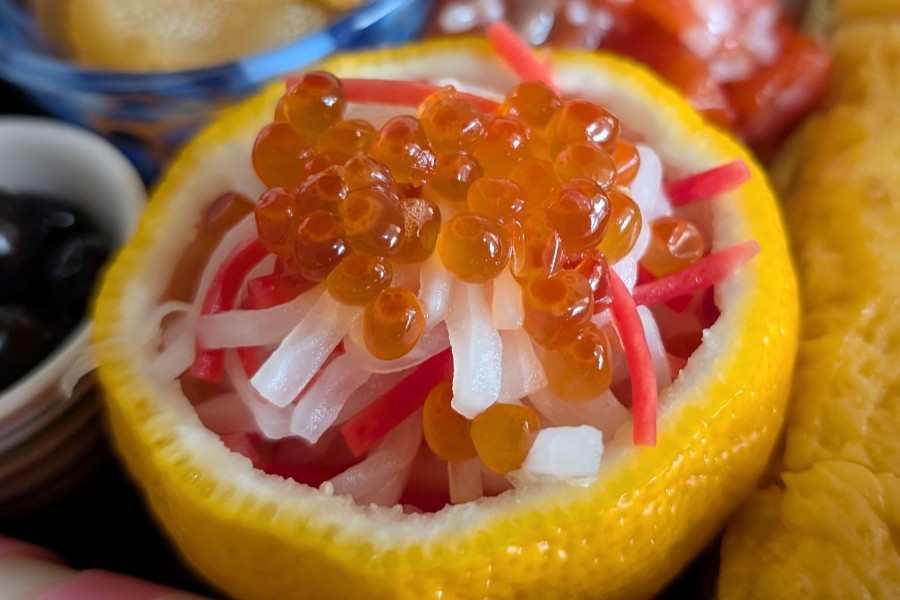
Japan is home to a rich variety of citrus fruits, many of which are used not just as fruit, but as essential seasonings in Japanese cuisine.
Among them, yuzu, mikan, sudachi, and kabosu are especially iconic, each offering a distinct aroma, acidity, and cultural background.
Understanding these citrus fruits adds a new layer of appreciation when enjoying Japanese food.
Yuzu: The Aromatic Symbol of Japanese Cuisine
Yuzu is perhaps the most internationally recognized Japanese citrus.
It is prized not for sweetness, but for its intensely fragrant peel and sharp acidity.
How Yuzu Is Used
- Yuzu juice in ponzu sauce
- Yuzu zest as a garnish for soups and sashimi
- Yuzu-flavored sweets, teas, and cocktails
Yuzu is also deeply tied to Japanese seasonal culture.
During the winter solstice, many Japanese people enjoy a yuzu bath (yuzuyu), believed to promote good health and ward off colds.
Major producing areas include Kochi Prefecture.
Mikan: Japan’s Everyday Sweet Citrus
Mikan refers to Japanese mandarin oranges and is the most commonly eaten citrus fruit in Japan.
Sweet, easy to peel, and seedless, mikan is a true everyday fruit.
Cultural Background
- Often eaten in winter while sitting under a kotatsu
- Popular as gifts and household snacks
- Associated with warmth and family life
Unlike yuzu or sudachi, mikan is enjoyed primarily as fresh fruit, though it is also used in juices and desserts.
Top producing regions include Ehime, Wakayama, and Shizuoka.
Sudachi: A Sharp Accent from Tokushima
Sudachi is a small green citrus known for its clean, refreshing acidity rather than sweetness.
It is rarely eaten on its own and is instead used as a flavor accent.
Typical Uses
- Squeezed over grilled fish
- Added to noodles like soba and udon
- Used with mushrooms and seasonal vegetables
Sudachi is strongly associated with Tokushima Prefecture, where it is considered a local specialty.
Its subtle fragrance enhances food without overpowering it—an approach very typical of Japanese cuisine.
Kabosu: Mild and Versatile Citrus from Kyushu
Kabosu is similar in appearance to sudachi but slightly larger and milder in acidity.
It is widely used in western Japan, especially in Oita Prefecture.
Common Uses
- With sashimi and grilled seafood
- Mixed into dipping sauces
- Used in drinks and dressings
Because of its balanced flavor, kabosu pairs well with richer dishes and meat, not just fish.
Citrus as Seasoning: A Japanese Culinary Trait
One notable feature of Japanese food culture is how citrus fruits are used as seasonings rather than desserts.
Instead of adding sweetness, these citrus varieties:
- Brighten flavors
- Cut through oiliness
- Highlight seasonal ingredients
This approach reflects the Japanese preference for balance and subtlety over strong sweetness.
Seasonal and Regional Identity
Each citrus fruit is closely tied to:
- A specific region
- A season
- A particular style of cooking
This strong connection between food and place is a defining feature of Japanese cuisine and something travelers often notice when exploring local markets and restaurants.
Experiencing Japanese Citrus While Traveling
Visitors to Japan can enjoy these citrus fruits through:
- Seasonal restaurant menus
- Regional souvenirs and condiments
- Citrus-flavored sweets and drinks
- Local dishes highlighting regional produce
Trying yuzu, mikan, sudachi, and kabosu in their proper culinary context offers a deeper understanding of Japan’s food culture.
| Citrus | Main Flavor Profile | Typical Uses | Main Producing Regions |
|---|---|---|---|
| Yuzu | Very aromatic, sharp acidity | Ponzu sauce, soups, sweets, drinks, zest garnish | Kochi |
| Mikan | Sweet, mild, juicy | Fresh fruit, juice, desserts | Ehime, Wakayama, Shizuoka |
| Sudachi | Sharp, refreshing, not sweet | Grilled fish, noodles, seasonal dishes | Tokushima |
| Kabosu | Mild acidity, balanced | Sashimi, sauces, drinks, meat dishes | Oita |
\ Get the latest news /