Japanese School Clubs (Bukatsu) – More Than Just After-School Activities
 melomelotours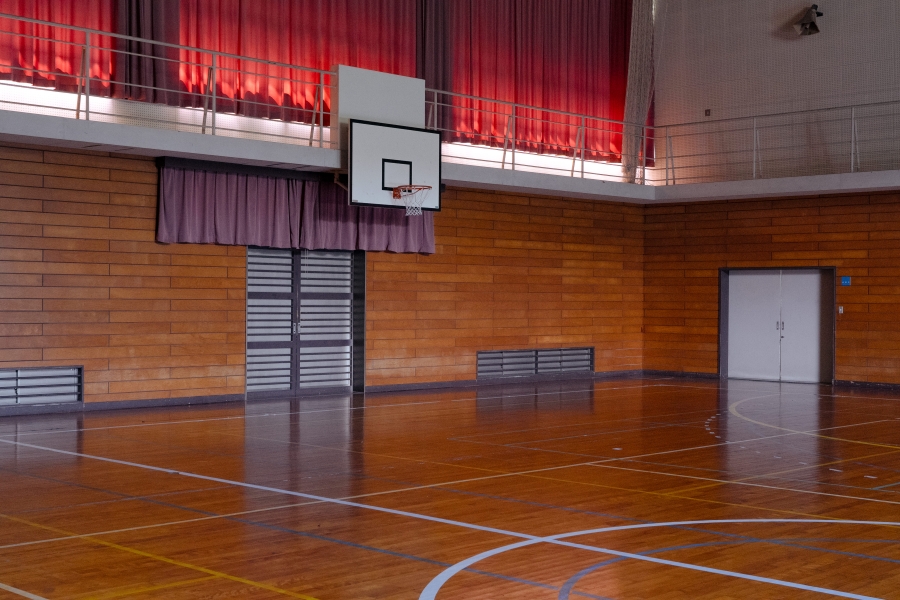
In Japan, after-school clubs—commonly known as “bukatsu”—are an essential part of student life. These clubs play a major role in shaping discipline, teamwork, and social skills from junior high school through high school. For visitors interested in Japanese culture, bukatsu offers valuable insight into how young people grow, learn, and build relationships in Japan.
What Is Bukatsu?
Bukatsu refers to organized extracurricular clubs at schools, usually divided into sports clubs and cultural clubs. Most students join one club and continue with it for several years, showing strong commitment and loyalty. Activities typically take place after school on weekdays and often on weekends as well.
Participation is not just about having fun—it emphasizes perseverance, respect for seniors, and responsibility to the group.
Popular Sports Clubs
Sports-based bukatsu are especially famous for their intensity and dedication. Some of the most popular sports clubs include:
- Baseball – Often considered the most demanding club, closely linked to national tournaments such as Koshien
- Soccer – Popular among students and strongly connected to local and national competitions
- Basketball – Fast-paced and increasingly popular in urban schools
- Volleyball & Track and Field – Common in both junior and senior high schools
- Judo & Kendo – Traditional martial arts that teach discipline and respect
These clubs often practice almost every day, reflecting the Japanese value of continuous effort.
Cultural Clubs: Creativity and Tradition
Not all bukatsu are physically demanding. Cultural clubs allow students to explore creativity and traditional arts. Common examples include:
- Calligraphy (Shodo)
- Tea Ceremony (Sado)
- Flower Arrangement (Ikebana)
- Music clubs such as brass band or choir
- Art, photography, and science clubs
These activities highlight Japan’s appreciation for aesthetics, patience, and craftsmanship.
Senpai–Kohai Relationships
One unique feature of bukatsu is the senpai–kohai (senior–junior) system. Senior students mentor younger members, while juniors show respect and learn through observation. This relationship teaches hierarchy, cooperation, and communication—values that continue into Japanese work culture.
Competitions and School Pride
Many clubs participate in regional and national tournaments, festivals, or exhibitions. Winning is important, but effort and improvement are valued just as much. Schools often rally around their clubs, creating strong community spirit and pride.
Bukatsu in Modern Japan
In recent years, schools have begun reconsidering the heavy time commitment of bukatsu to improve work-life balance for students and teachers. While traditions remain strong, there is a growing movement toward more flexible club schedules and external coaching.
Why Bukatsu Matters to Travelers
For visitors, bukatsu offers a deeper understanding of Japanese society. You may notice students practicing in parks, schoolyards, or gymnasiums during your travels. These scenes reflect values of dedication, harmony, and mutual respect that are deeply rooted in Japan.
Understanding bukatsu helps travelers appreciate not only Japanese schools, but also the mindset behind Japanese teamwork and professionalism.
\ Get the latest news /