Japanese New Year Traditions – Exploring Japan’s “Firsts” of the Year
 melomelotours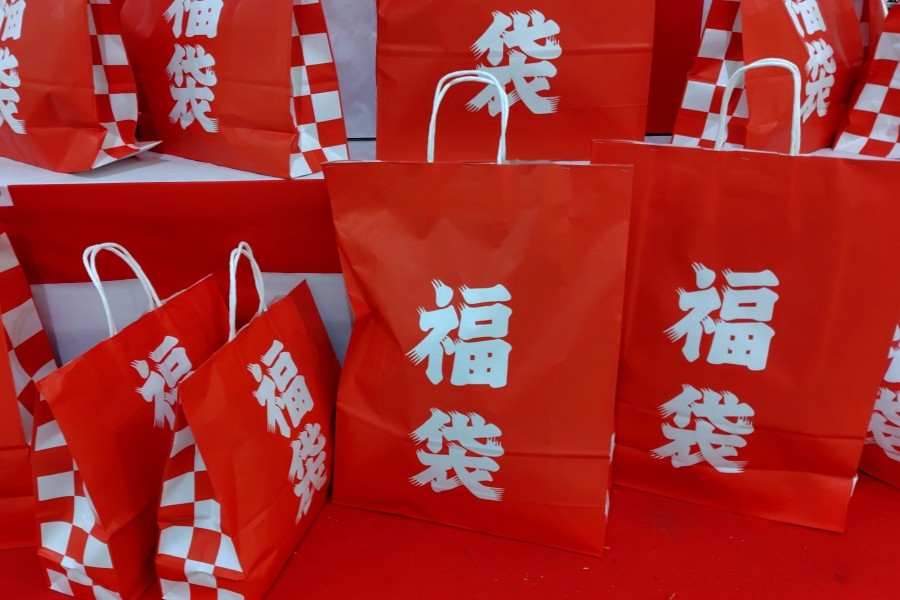
When celebrating the New Year in Japan, you may notice that many customs begin with the word “Hatsu”, meaning “first.” From the first shrine visit to the first sunrise and even the first dream, these traditions reflect the Japanese idea that how you begin the year sets the tone for what follows. In this article, we explore some of the most important Japanese New Year traditions and the meaning behind these symbolic “firsts.”
Hatsumode: The First Shrine Visit
Hatsumode is the first visit to a shrine or temple in the New Year, usually made between January 1st and January 3rd. It is one of the most widely practiced New Year traditions in Japan.
During Hatsumode, people pray for health, happiness, success, and safety in the coming year. Visitors often draw omikuji (fortune slips), buy protective charms, and enjoy festive food stalls set up around major shrines. Popular shrines can become very crowded, but the atmosphere is joyful and celebratory.
Hatsuhinode: The First Sunrise
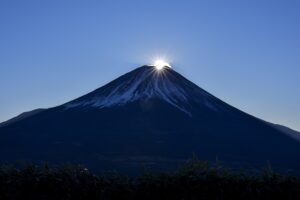
Hatsuhinode refers to watching the first sunrise of the year on January 1st. This tradition is deeply connected to Shinto beliefs, as the sun is considered sacred and associated with renewal and divine energy.
People gather at beaches, mountains, observation decks, and riversides to witness the moment the sun appears on the horizon. Watching Hatsuhinode is seen as a way to welcome good fortune and begin the year with a clear and positive mindset.
Hatsuyume: The First Dream
Hatsuyume, the first dream of the New Year, is believed to offer clues about one’s luck in the coming year. Traditionally, certain symbols are considered especially fortunate, most famously Mount Fuji, a hawk, and an eggplant.
While modern Japanese people often discuss Hatsuyume in a lighthearted way, the tradition highlights the importance of hope, imagination, and optimism at the start of the year.
Hatsuuri: New Year’s First Sales
Hatsuuri refers to the first sales of the year, which usually begin on January 1st or 2nd. Department stores and shopping centers offer special discounts and sell fukubukuro, or “lucky bags,” filled with mystery items at a fixed price.
For many people, Hatsuur i is both a shopping event and a New Year ritual. Fukubukuro are especially popular, often selling out quickly, and can be a fun surprise for visitors looking for unique souvenirs.
Hatsuseri: The First Auction
Hatsuseri, or the first auction of the year, is most famously associated with fish markets. In the past, this tradition was closely watched as a sign of economic fortune for the year ahead.
Today, the first tuna auctions—especially those historically linked to Tokyo’s fish markets—still attract attention and symbolize prosperity, ambition, and fresh beginnings in the business world.
Kakizome: The First Calligraphy
Kakizome is the first calligraphy writing of the year, traditionally done on January 2nd. Participants write auspicious words, poems, or personal goals using brush and ink.
Often practiced by students and families, Kakizome represents self-reflection and intention-setting. It is a quiet yet meaningful way to express hopes for the year ahead.
Why Japan Values These “Firsts”
Japanese New Year traditions emphasize mindfulness and intention. Each “first” moment—whether visiting a shrine, watching the sunrise, or writing calligraphy—serves as a symbolic reset.
For visitors, experiencing or learning about these customs offers insight into how deeply the New Year is valued in Japan. It is not just a celebration, but a thoughtful transition into a new chapter.
Exploring Japan during the New Year season allows travelers to witness these traditions firsthand and gain a deeper appreciation for the cultural importance of beginnings.
\ Get the latest news /