
Japanese Hot Pot (Nabe) – A Warm and Social Food Experience
 melomelotours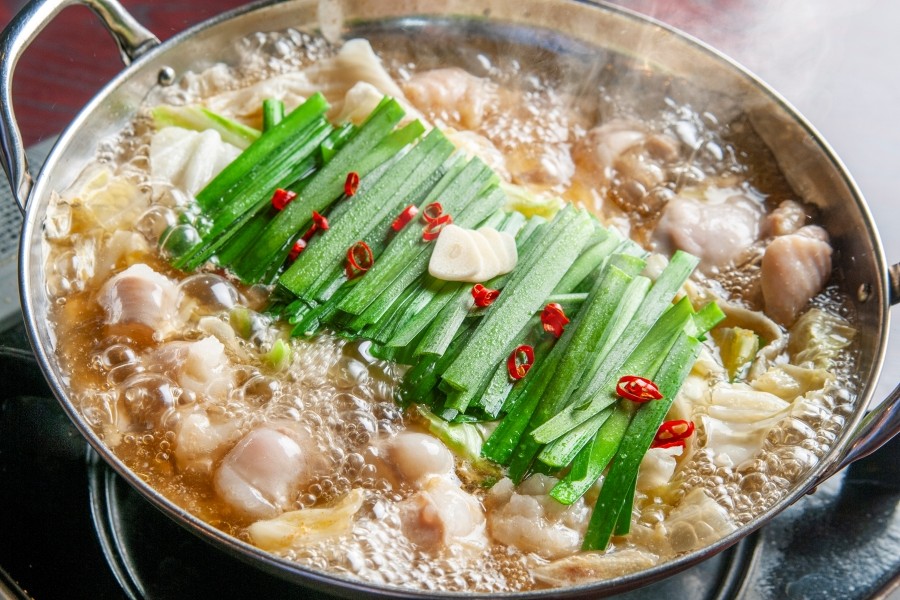
Sukiyaki
Sukiyaki is one of the most famous Japanese hot pot dishes, often enjoyed on special occasions. Thinly sliced beef is simmered in a sweet and savory soy-based sauce along with vegetables, tofu, and shirataki noodles. In Japan, it is traditionally dipped into raw beaten egg before eating, creating a rich and smooth flavor.
Shabu-Shabu
Shabu-shabu is a lighter and very popular style of nabe. Thin slices of beef or pork are briefly swished through a kombu (kelp) broth, then dipped in ponzu (citrus soy sauce) or sesame sauce. It is simple, elegant, and perfect for those who want to enjoy the natural taste of high-quality ingredients.
Yose-nabe
Yose-nabe is a classic mixed hot pot made with a variety of ingredients such as seafood, meat, tofu, and vegetables. The broth can be soy sauce–based, miso-based, or salt-based, depending on the region and household. This is one of the most common styles eaten at home.
Motsu-nabe
Originally from Fukuoka in Kyushu, motsu-nabe features beef or pork offal cooked with cabbage, garlic chives, and chili peppers. It has a rich, flavorful broth and is especially popular in winter. The final course is often champon noodles added to the remaining soup.
Chanko-nabe
Chanko-nabe is famously associated with sumo wrestlers. Packed with protein and vegetables, it was designed to support strength and stamina. Today, many specialty restaurants serve chanko-nabe, making it a unique cultural dining experience for visitors.
The Best Part: The Final Dish (Shime)
One of the most enjoyable traditions of nabe is shime, the final dish. After most ingredients have been eaten, rice, udon noodles, or ramen noodles are added to the remaining broth, which is now rich with flavor. This final course is often considered the highlight of the meal.
How Travelers Can Enjoy Nabe in Japan
Visitors can enjoy nabe in many ways:
- Specialty restaurants offering sukiyaki, shabu-shabu, or regional nabe
- Izakaya that serve casual hot pot dishes
- Ryokan dinners, where nabe is often part of a seasonal kaiseki meal
Some restaurants provide English menus and staff assistance, making it easy for international travelers to enjoy this shared-style meal comfortably.
A Warm Memory of Japan
Nabe is more than just food—it is an experience that reflects Japanese values of harmony, seasonality, and togetherness. Sitting around a steaming pot on a cold evening creates memories that stay with travelers long after their trip ends.
If you visit Japan during the cooler months, be sure to add nabe to your food itinerary. It is a comforting, authentic, and deeply Japanese way to enjoy the season.
For more cultural food experiences in Tokyo and beyond, explore guided tours with melomelotours.com and discover Japan through its flavors.
\ Get the latest news /