Japanese Fruit Breeding – How Japan Perfected Flavor, Beauty, and Texture
 melomelotours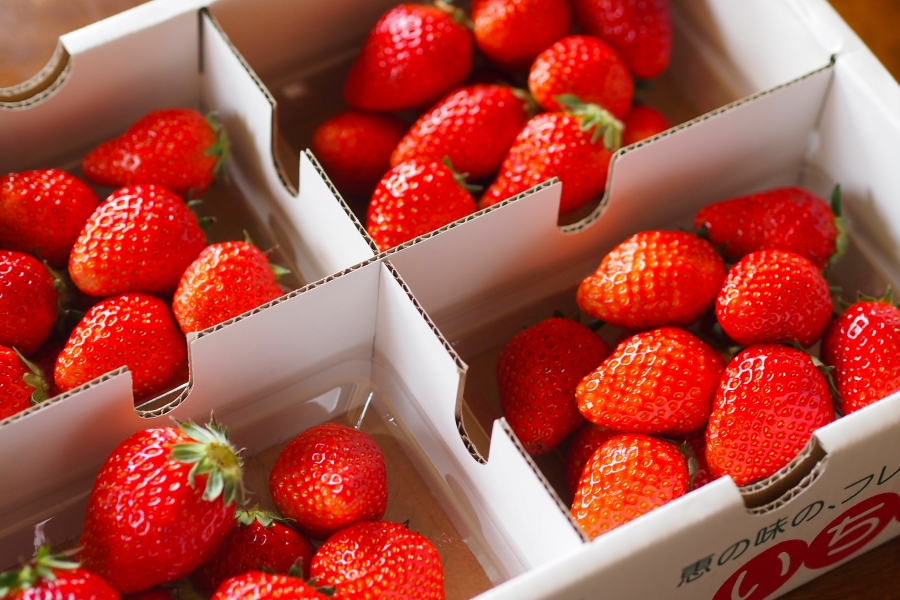
Japan is world-famous for its high-quality fruit, often described as some of the best in the world. Behind this reputation lies decades of careful fruit breeding (varietal improvement), focusing not on mass production, but on taste, appearance, texture, and consistency.
This article explores how Japan has refined fruit through breeding, using strawberries, Shine Muscat grapes, and Japanese peaches as prime examples.
Why Fruit Breeding Matters in Japan
Unlike many countries where fruit breeding prioritizes durability and yield, Japan places strong emphasis on:
- Exceptional sweetness and balance
- Soft, pleasant texture
- Beautiful appearance
- Reliable quality
Many Japanese fruit varieties are the result of years—sometimes decades—of patient research by farmers and agricultural institutes.
Japanese Strawberries – Sweetness Through Innovation
Japan has developed dozens of strawberry varieties, each carefully designed for flavor, aroma, and texture.
Key Features of Japanese Strawberry Breeding
- High sugar content with low acidity
- Soft yet juicy flesh
- Fragrant aroma
Famous Varieties
- Amaou (Fukuoka): Large, rich, and very sweet
- Tochiotome (Tochigi): Well-balanced and juicy
- Benihoppe (Shizuoka): Sweet with a refreshing finish
Thanks to advanced greenhouse cultivation and selective breeding, strawberries are available year-round in Japan, with peak quality during winter and spring.
Shine Muscat – A New Standard for Grapes
Shine Muscat is one of Japan’s most successful modern fruit varieties. Developed through careful crossbreeding, it has become popular worldwide.
Why Shine Muscat Is Special
- Thin, edible skin
- No seeds
- Strong sweetness with floral aroma
Breeding Philosophy
Shine Muscat was created to combine the best traits of European and American grapes, prioritizing eating comfort—no peeling, no seeds, and a clean finish.
Its luxury image has made it a popular gift fruit and a symbol of modern Japanese fruit breeding.
Japanese Peaches (Hakuto) – Softness Perfected
Japanese peaches, often called Hakuto (white peach), represent another success of long-term breeding.
Key Characteristics
- Extremely soft, melting texture
- Elegant sweetness
- Delicate aroma
Breeding Focus
Japanese peach breeding prioritizes:
- Smooth skin
- Consistent sweetness
- Fragile but luxurious texture
Because they bruise easily, Japanese peaches are carefully handled and rarely exported, making them a special seasonal treat for visitors.
Fruit as Craft, Not Just Agriculture
In Japan, fruit breeding is treated as craftsmanship. Farmers often grow fewer fruits per tree or vine to concentrate flavor, while breeders aim for perfection rather than efficiency.
This mindset explains why Japanese fruit is often seen as premium or even luxurious.
Experiencing Japanese Fruit as a Traveler
Visitors can enjoy these carefully bred fruits at:
- Department store food halls
- Fruit parfait cafés
- Seasonal fruit-picking farms
- Traditional ryokan meals
Trying Japanese fruit in season offers a deeper appreciation of the country’s agricultural philosophy.
Conclusion
From innovative strawberries to globally admired Shine Muscat and delicate Japanese peaches, fruit breeding in Japan reflects patience, precision, and pride.
These fruits are not just food—they are the result of decades of dedication to perfection.
\ Get the latest news /