
Inside Japan’s Cozy Kissaten – A Journey Into Retro Coffee Culture
 melomelotours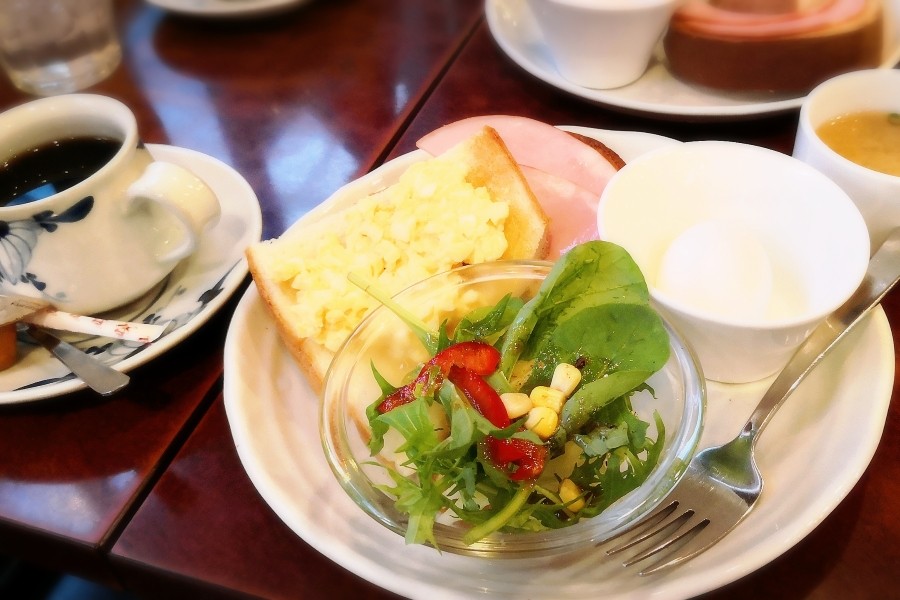
1. What Is a Kissaten?
Kissaten are traditional Japanese coffee shops that flourished during the Showa era (1926–1989). Unlike modern cafés, they are known for their nostalgic ambiance: dim lighting, wooden interiors, jazz or classical records spinning in the background, and a slow, deliberate approach to serving coffee. Many kissaten were run by the same owners for decades, and stepping inside feels like entering a time capsule.
2. The Art of the “Master”
Every kissaten has a “Master”, the owner-barista. Masters take pride in perfecting hand-drip coffee, carefully controlling the temperature and timing. Some roast their beans in-house, filling the shop with a rich aroma the moment you walk in. Their personality defines the shop—some chat with customers, while others keep a quiet, introspective space.
3. Signature Menu Items
Kissaten offer more than coffee. Many serve retro comfort food such as:
- Napolitan pasta – ketchup-based, sweet and nostalgic
- Cream soda – neon green melon soda with vanilla ice cream
- Thick toast – toasted shokupan topped with butter or red bean paste
- Purin – a firm, traditional custard pudding
These dishes make kissaten popular among tourists seeking “old Japan.”
4. Why Kissaten Still Matter Today
In a country filled with modern cafés, kissaten remain culturally important. They represent a slower rhythm of life and an analog world—no loud music, no laptops, and no rush. People come to relax, think, read, or simply escape the busyness outside.
5. Where to Experience Kissaten Culture
Tokyo has many famous kissaten such as Café de L’Ambre, Lug Hatagaya, and Kayaba Coffee, each offering a unique look into Japan’s past. Many regional towns also preserve local kissaten with decades of history.
Kissaten are not just cafés—they are living history, inviting anyone to enjoy Japan’s quiet, understated charm.
\ Get the latest news /