Imo, Kuri, Nankin – Why Sweet Potato, Chestnut, and Pumpkin Are Beloved in Japan
 melomelotours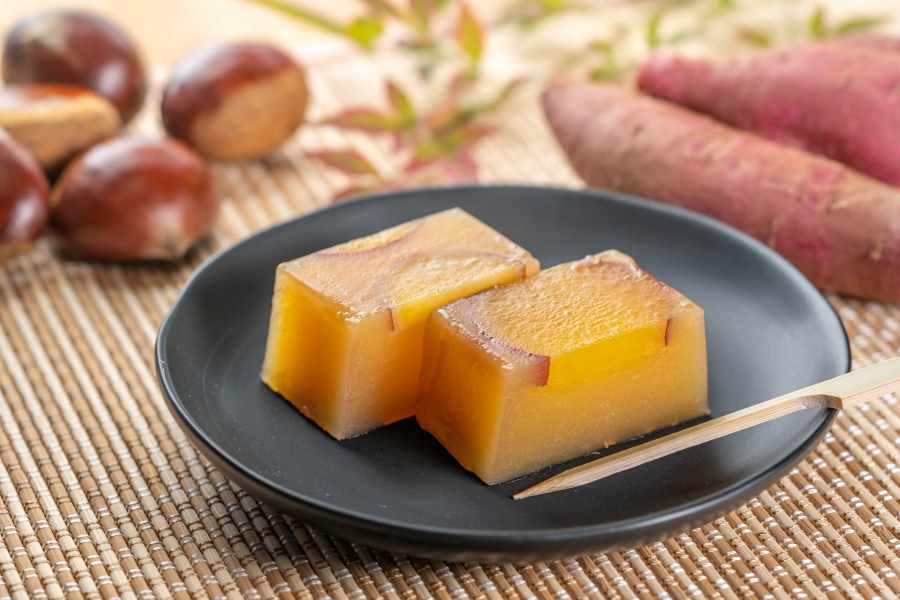
In Japan, the phrase “Imo, Kuri, Nankin” (芋・栗・南京) refers to three ingredients that are especially loved, particularly in sweets and seasonal dishes.
Sweet potato, chestnut, and pumpkin may seem simple, but in Japanese food culture they carry deep historical meaning and pair beautifully with both traditional and modern cuisine.
What Does “Imo, Kuri, Nankin” Mean?
The expression Imo, Kuri, Nankin became popular during the Edo period (1603–1868) and is often associated with comforting, naturally sweet flavors—especially those enjoyed in autumn.
Although the phrase still uses the word “Nankin,” it is important to note that modern Japanese almost always call this ingredient “kabocha” (かぼちゃ).
“Nankin” remains mainly as a historical term within this traditional expression.
Sweet Potato (Imo): A Lifesaving Crop Turned Comfort Food
Sweet potatoes were introduced to Japan in the early modern period and became especially important as a famine-prevention crop.
They grow well in poor soil and were a reliable food source during difficult times.
In Japanese cuisine, sweet potatoes are used in:
- Yaki-imo (roasted sweet potatoes)
- Daigaku-imo (candied sweet potatoes)
- Wagashi fillings and seasonal desserts
Today, sweet potato sweets are popular year-round, valued for their natural sweetness and satisfying texture.
Chestnut (Kuri): A Symbol of Autumn and Celebration
Chestnuts have been eaten in Japan since ancient times and are strongly associated with autumn and seasonal celebrations.
Traditionally, chestnuts were:
- Gathered in the mountains
- Considered a seasonal luxury
- Used in special dishes
They appear in both savory and sweet cuisine, such as:
- Kuri gohan (rice cooked with chestnuts)
- Traditional wagashi like yokan and manju
- Western-style desserts such as Mont Blanc
Chestnuts pair particularly well with butter, cream, and sugar, making them a favorite in Japanese-style Western pastries.
Pumpkin (Kabocha): From “Nankin” to a Modern Staple
Pumpkin was introduced to Japan in the 16th century via Portuguese traders.
Historically, it was called “Nankin,” a name derived from Nanjing, reflecting its overseas origin.
Today, however, the vegetable is universally known as “kabocha.”
The older term “Nankin” survives mainly in historical expressions like Imo, Kuri, Nankin.
Kabocha became popular in Japan because it:
- Stores well
- Is rich in nutrients
- Has a naturally sweet flavor
It is commonly used in:
- Simmered dishes with dashi and soy sauce
- Tempura
- Soups and side dishes
- Hoto noodles
Its sweetness also makes it ideal for desserts and baked goods.
Perfect Match with Wagashi and Western Sweets
One reason Imo, Kuri, Nankin remain so popular is their versatility.
In Wagashi (Traditional Japanese Sweets)
- Sweet potato paste
- Chestnut fillings
- Kabocha-based sweets emphasizing natural flavors
These ingredients pair beautifully with green tea and reflect the Japanese preference for subtle sweetness.
In Yōgashi (Western-Style Sweets)
- Sweet potato tarts
- Chestnut Mont Blanc
- Kabocha cakes, puddings, and cheesecakes
Japanese pastry chefs often blend Western techniques with familiar Japanese flavors.
Why These Ingredients Still Matter Today
Even in modern Japan, Imo, Kuri, Nankin represent:
- Seasonal enjoyment
- Comfort and nostalgia
- A balance between simplicity and richness
They connect everyday food with history and emotion, reminding people of home cooking and seasonal change.
Experiencing These Flavors in Japan
Travelers can enjoy sweet potato, chestnut, and kabocha in many places:
- Autumn food stalls
- Traditional wagashi shops
- Department store food basements
- Cafés specializing in seasonal desserts
Understanding the phrase Imo, Kuri, Nankin—and how language has evolved from “Nankin” to “kabocha”—adds cultural depth to tasting these beloved Japanese ingredients.
\ Get the latest news /