
How to Use Chopsticks Properly – A Beginner’s Guide to Japanese Chopstick Etiquette
 melomelotours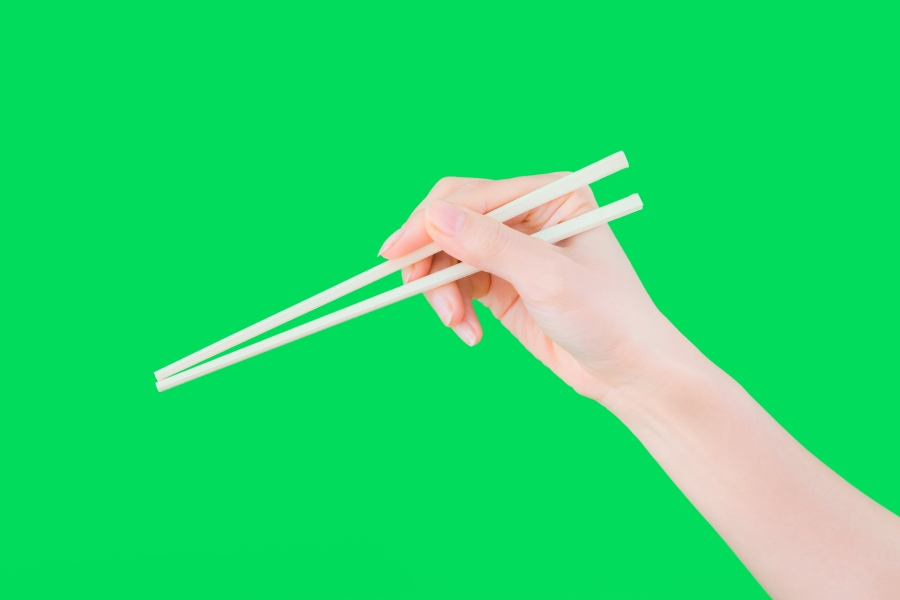
Chopsticks are an essential part of dining in Japan, but for many visitors, using them correctly can feel challenging. Don’t worry—perfect technique is not required. However, learning the basic way to hold chopsticks and understanding a few etiquette rules will help you feel more confident at the table.
This guide explains how to use chopsticks properly, step by step, with simple illustrations and tips for beginners.
Why Chopstick Etiquette Matters in Japan
In Japan, chopsticks are not just utensils—they are closely connected to culture and manners. While locals are very understanding toward visitors, showing a basic effort is always appreciated.
Using chopsticks properly helps you enjoy Japanese food more comfortably and respectfully.
The Correct Way to Hold Chopsticks
The key point is that only the upper chopstick moves, while the lower one stays still.
Step-by-Step Guide
- Place the lower chopstick
Rest it on the base of your thumb and the ring finger. This chopstick does not move. - Hold the upper chopstick
Hold it like a pencil, using your thumb, index finger, and middle finger. - Move only the upper chopstick
Open and close it to pick up food, keeping the lower chopstick stable.
Common Mistakes Beginners Make
Many first-time users make similar mistakes, which are easy to fix.
- Holding chopsticks too tightly
- Moving both chopsticks at the same time
- Crossing chopsticks at the tips
Relax your hand and focus on gentle movement.
Chopstick Etiquette: What NOT to Do
There are a few chopstick behaviors that should be avoided in Japan:
- Sticking chopsticks upright in rice
This resembles a funeral ritual. - Passing food directly from chopsticks to chopsticks
This is also associated with funeral customs. - Pointing with chopsticks
Considered rude. - Rubbing disposable chopsticks together
This implies they are cheap or poorly made.
Simply placing chopsticks neatly on the holder when not in use is good practice.
Tips for Eating with Chopsticks Comfortably
- Small bites are easier than large pieces
- Don’t worry if you drop food—this happens even to locals
- Using a spoon for rice or soup is perfectly acceptable when provided
In casual restaurants, nobody expects perfect form.
Disposable vs. Reusable Chopsticks
Disposable chopsticks (waribashi) are common in casual eateries, while reusable chopsticks are used at home and in formal restaurants.
Both are used the same way, so learning one method works everywhere.
Practicing Without Pressure
If you’re not confident, conveyor-belt sushi restaurants or casual noodle shops are great places to practice. Staff are used to international guests and won’t judge your skills.
Remember: effort matters more than accuracy.
Chopsticks as Part of the Cultural Experience
Learning how to use chopsticks is a small but meaningful way to connect with Japanese culture. Even basic knowledge can make meals more enjoyable and interactions smoother.
Don’t be afraid to try—your experience in Japan will be richer because of it.
\ Get the latest news /