
How to Choose Sushi Toppings – A Beginner’s Guide to Sushi in Japan
 melomelotours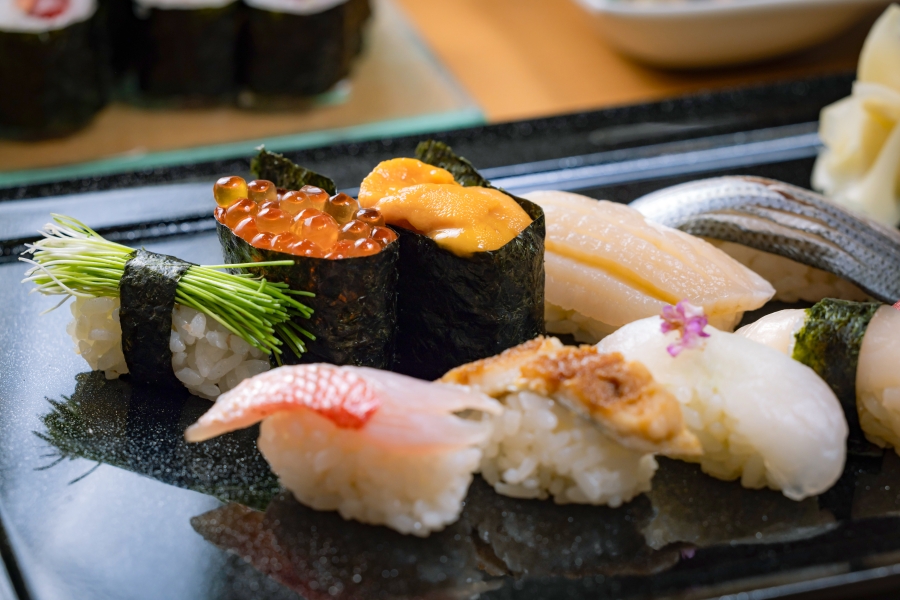
Sushi is one of Japan’s most iconic foods, but for first-time visitors, choosing sushi toppings can feel overwhelming. With unfamiliar names, raw fish, and cultural etiquette, many travelers wonder where to start.
This beginner-friendly guide explains how to choose sushi toppings (sushi neta) with confidence, helping you enjoy sushi in Japan without stress.
What Is a Sushi Topping (Neta)?
In sushi terminology, neta refers to the topping placed on top of vinegared rice (shari). Neta can be raw fish, cooked seafood, or other ingredients such as egg or vegetables.
For beginners, it’s important to know that sushi is not only raw fish—there are many approachable and mild options.
Best Sushi Toppings for Beginners
If you are new to sushi, start with toppings that have mild flavors and familiar textures.
- Tamago (Sweet Egg Omelet):
Slightly sweet and fully cooked, tamago is soft and comforting. A perfect starting point. - Ebi (Cooked Shrimp):
Light, sweet, and easy to eat, ebi is popular among beginners. - Salmon (Sake):
Rich, fatty, and not too fishy, salmon is one of the most beginner-friendly raw fish options. - Tuna (Maguro):
Lean and clean-tasting, maguro is a classic choice and widely enjoyed.
These options allow you to experience sushi without strong flavors.
Intermediate Choices to Try Next
Once you feel comfortable, you can explore more traditional sushi toppings.
- Yellowtail (Hamachi or Buri):
Slightly richer than tuna with a smooth texture. - Sea Bream (Tai):
Light, elegant flavor that highlights the quality of the fish. - Scallop (Hotate):
Soft and naturally sweet, often served raw.
These neta offer a deeper look into Japanese sushi culture while remaining approachable.
Sushi Toppings Beginners May Want to Avoid at First
Some sushi toppings have strong flavors or textures that may surprise first-timers.
- Uni (Sea Urchin):
Creamy with a bold ocean flavor. - Natto (Fermented Soybeans):
Sticky texture and strong aroma. - Mackerel (Saba):
Oily and distinctly fishy, though loved by many locals.
There’s nothing wrong with trying them, but they’re better saved for later.
How to Order Sushi with Confidence
Many sushi restaurants in Japan offer picture menus or English menus, especially in tourist areas. Conveyor belt sushi (kaiten-zushi) is also beginner-friendly because you can visually choose what looks appealing.
If sitting at the counter, simple phrases like “Salmon, please” or pointing politely is perfectly acceptable. Sushi chefs are used to international guests.
Wasabi and Soy Sauce Tips
In Japan, sushi often comes pre-seasoned with wasabi. Adding extra soy sauce or wasabi is optional but not required.
Dip the fish side, not the rice, lightly into soy sauce to avoid overpowering the flavor.
Enjoying Sushi Like a Local (Without Pressure)
There is no “correct” order to eat sushi as a visitor. Start with lighter flavors and move toward richer ones if you like. The most important rule is to enjoy the experience.
Trying sushi in Japan is not about perfection—it’s about discovery.
Sushi as a Cultural Experience
Choosing sushi toppings is also a way to connect with Japanese food culture. By starting with beginner-friendly neta and gradually expanding your choices, you’ll gain confidence and appreciation for this timeless cuisine.
Whether at a casual sushi bar or a traditional counter, sushi in Japan is meant to be enjoyed at your own pace.
\ Get the latest news /