How Japanese People Spend the Year-End and New Year’s Eve
 melomelotours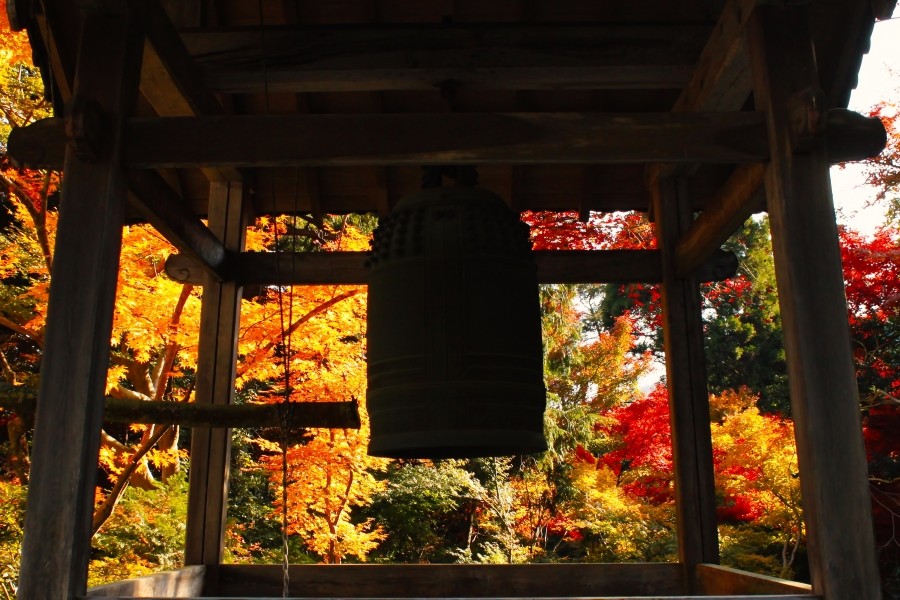
In Japan, the end of the year is not just about parties or fireworks. It is a meaningful time to cleanse the past, prepare for a fresh start, and reflect quietly. From late December through New Year’s Eve, many traditions focus on renewal, gratitude, and family.
If you are visiting Japan in winter, understanding these customs will help you experience a deeper side of Japanese culture.
Year-End Preparations: Oosouji (大掃除)
One of the most important year-end traditions in Japan is Oosouji, or “big cleaning.”
During the last week of December, homes, offices, shops, and even schools are thoroughly cleaned. This goes far beyond everyday tidying. Windows, floors, kitchens, and forgotten corners are all carefully cleaned.
The idea behind Oosouji is to:
- Remove dirt and bad luck from the past year
- Welcome the New Year with a clean and pure environment
- Refresh both the home and the mind
You may notice fewer shops open during the last few days of December, as many businesses close early to complete their cleaning.
Year-End Food and Atmosphere
As the year comes to an end, families start preparing special foods for New Year’s Day, known as Osechi Ryori. These beautifully arranged dishes are often prepared in advance so that no cooking is needed during the first days of the New Year.
On New Year’s Eve, many people eat Toshikoshi Soba (year-crossing soba noodles). The long noodles symbolize longevity and the hope for a smooth transition into the New Year.
Streets and cities become noticeably quieter compared to Western countries. Rather than lively countdown events, the mood in Japan is calm, reflective, and peaceful.
New Year’s Eve Night: Joya no Kane (除夜の鐘)
One of the most iconic Japanese New Year’s Eve traditions is Joya no Kane, the ringing of temple bells.
At Buddhist temples across Japan, large bells are rung 108 times between late night on December 31 and just after midnight. According to Buddhist belief, humans have 108 worldly desires, and each bell ring purifies one of them, allowing people to enter the New Year with a clear heart.
Many temples allow visitors to:
- Watch the bell ringing
- Line up to ring the bell themselves
- Pray quietly as the year changes
Popular temples can become crowded, but the atmosphere remains respectful and serene.
Countdown, But in a Japanese Way
Unlike Western-style countdown parties, most Japanese people:
- Spend New Year’s Eve at home with family
- Watch special year-end TV programs
- Visit a temple or shrine just after midnight
Large countdown events do exist in some areas, but they are not the main focus of the holiday.
Public transportation often runs all night on New Year’s Eve in major cities to support shrine and temple visits.
A Quiet Transition Into the New Year
As the clock strikes midnight, there are no fireworks in most places—just temple bells, cold winter air, and people offering silent prayers. The moment feels symbolic rather than celebratory.
This quiet transition reflects a core Japanese value:
ending the year with gratitude and starting the next with intention.
Tips for Travelers Visiting Japan at Year-End
- Many shops and restaurants close from December 31 to January 3
- Tourist spots are less crowded, but transportation schedules may change
- Temples and shrines are busiest late at night on December 31 and early January 1
- Dress warmly—New Year’s Eve temple visits can be very cold
Final Thoughts
Experiencing Japan during the year-end season offers a unique perspective on the country’s culture. From deep cleaning rituals to the echoing sound of temple bells, the Japanese way of welcoming the New Year is calm, thoughtful, and deeply symbolic.
If you are looking for a peaceful and meaningful way to end the year, Japan’s New Year traditions are truly unforgettable.
\ Get the latest news /