
How Japanese People Keep Warm – From Hibachi to Heattech
 melomelotours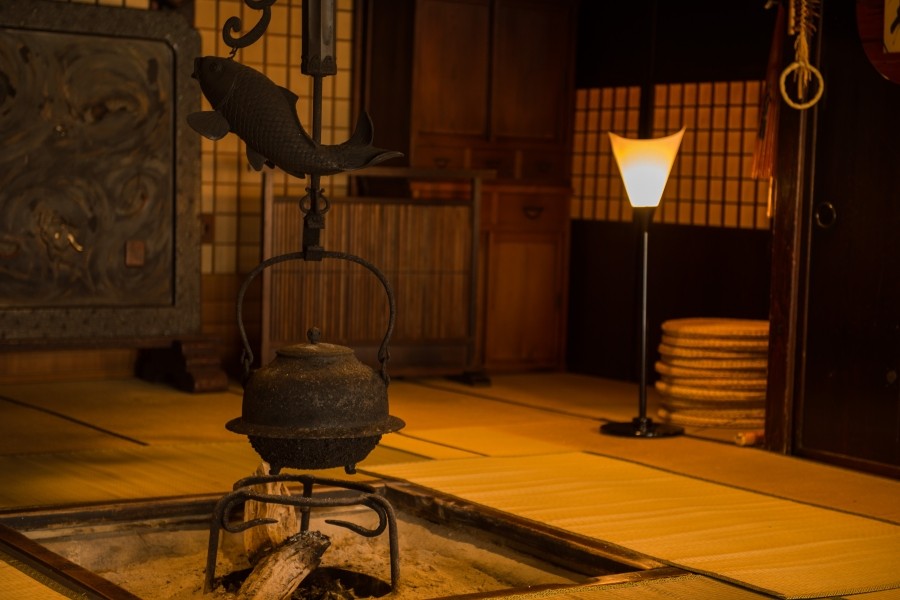
Japan’s winters can be surprisingly cold, especially before the spread of modern insulation and central heating.
Instead of heating entire buildings, Japanese people traditionally focused on warming the body and immediate living space—an approach shaped by climate, architecture, and lifestyle.
From ancient hearths to modern high-tech clothing, Japan’s methods of staying warm reveal much about its culture.
Irori: The Hearth of Traditional Japanese Homes
The irori is a sunken hearth built into the floor of old Japanese houses, mainly in rural areas.
For centuries, it served multiple purposes:
- Heating the home
- Cooking daily meals
- Acting as a gathering place for family members
Unlike portable heating tools, the irori was a permanent feature and often considered the heart of the household.
Today, irori are rarely found in urban areas such as Tokyo, but visitors can still see them in traditional farmhouses, historic villages, and some countryside ryokan.
Hibachi: The Traditional Charcoal Heater
The hibachi is one of Japan’s oldest portable heating tools, with a history of over a thousand years.
Traditionally, hibachi were:
- Small containers filled with charcoal
- Used to warm hands and nearby space
- Common in traditional wooden homes
Rather than heating an entire room, hibachi provided localized warmth, making them efficient and practical.
A note on the word “hibachi” overseas:
In the United States, hibachi often refers to a flat-top grill used for teppanyaki-style cooking, which differs greatly from the original Japanese meaning.
In Japan, hibachi primarily refers to a charcoal heating vessel, not a restaurant grill.
Today, hibachi are rarely used for heating, but they can still be seen in traditional inns, cultural exhibitions, and historical settings.
Kotatsu: Japan’s Most Beloved Winter Comfort
The kotatsu is perhaps the most iconic Japanese heating invention.
It consists of a low table with an electric heater underneath and a thick blanket that traps warm air.
Families gather around it to eat, relax, work, and sometimes fall asleep.
Even in modern Tokyo apartments, kotatsu remain popular because they are:
- Energy-efficient
- Space-saving
- Emotionally comforting
Fireplace (Danro): Rare but Aspirational
Traditional fireplaces (danro) were uncommon in Japan due to fire risk in wooden houses.
They later appeared in:
- Western-style homes
- Mountain lodges
- Luxury residences
In modern Tokyo, fireplaces remain rare but symbolize warmth and Western-style comfort.
Bathing (Furo): A Daily Heating Ritual
Deep Soaking in Hot Baths
Japanese baths are not just for cleaning—they’re for warming the body thoroughly. People wash first, then soak in hot water for 15–30 minutes. This heat lasts long after leaving the bath.
Many people schedule baths strategically at night to stay warm until bedtime, reducing the need for overnight heating.
Yutanpo: Simple and Sustainable Warmth
A yutanpo is a hot water bottle used for centuries to warm beds during cold nights.
Once made of metal, modern versions are often plastic or rubber.
Yutanpo have regained popularity due to energy-saving concerns and minimalist lifestyles.
Stoves: Practical Room Heating
Various stoves—kerosene, gas, and electric—became common after World War II.
Kerosene stoves are still used in some areas, while electric heaters are now more common in Tokyo due to convenience and safety.
Kairo: Pocket-Sized Heat
Kairo are disposable or reusable heat packs that produce warmth through chemical reactions.
They are widely used during winter:
- In pockets and gloves
- Inside shoes
- On the back during commuting
Kairo highlight Japan’s focus on personal warmth rather than heating large spaces.
Heattech: Modern Wearable Warmth
Heattech, developed by UNIQLO, represents a modern evolution of Japanese winter culture.
This thin innerwear retains body heat, allowing people to stay warm indoors with minimal heating.
Heattech is now a winter essential for many Tokyo residents.
How People Stay Warm in Tokyo Today
Most Tokyo homes do not have central heating.
Instead, people combine multiple methods:
- Air conditioners with heating mode
- Kotatsu in living rooms
- Bathing before sleeping
- Electric blankets or yutanpo at night
- Heattech and layered clothing
- Kairo for commuting
This layered approach reflects both energy efficiency and long-standing cultural habits.
A Cultural Perspective on Warmth
Japanese approaches to warmth emphasize:
- Efficiency over excess
- Localized comfort
- Adaptation to space and season
Understanding these traditions helps travelers better appreciate Japanese homes, winter lifestyles, and even why indoor spaces may feel cooler than expected.
\ Get the latest news /