
Hidden Towns in Tokyo – Five Lesser-Known Neighborhoods Worth Exploring
 melomelotours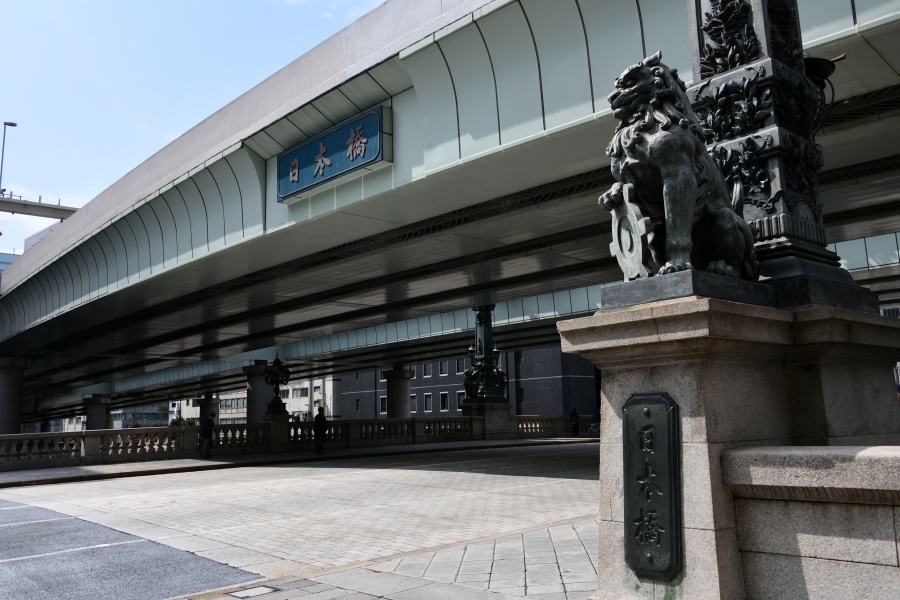
Tokyo is full of iconic destinations, but some of the city’s most memorable experiences come from places outside the usual tourist circuit. For travelers seeking a quieter, more authentic side of the city, these five hidden gems—Koishikawa Korakuen, Yanaka Ginza, Kagurazaka, Kyobashi Kotto Dori, and Nihombashi—offer a perfect blend of history, culture, and local charm.
Koishikawa Korakuen
Koishikawa Korakuen is one of Tokyo’s oldest and most refined Japanese gardens. Designed in the 17th century, it combines traditional Japanese and Chinese landscape principles, featuring serene ponds, stone bridges, and seasonal scenery. Despite its central location, it remains peaceful and is especially beautiful during autumn and spring.
Yanaka Ginza
A nostalgic pocket of old Tokyo, Yanaka Ginza is a shopping street that survived World War II and still retains its retro charm. Visitors can enjoy small snack shops, craft boutiques, traditional bakeries, and the relaxed atmosphere of a neighborhood where time seems to move slower. Cat lovers will also appreciate the area’s famously cat-themed culture.
Kagurazaka
Kagurazaka blends the elegance of a former geisha district with European influences, especially French cafés and eateries. Its narrow alleys, stone pathways, and hidden restaurants make it an inviting place for wandering. The area is perfect for travelers who enjoy exploring cozy backstreets and discovering one-of-a-kind dining spots.
Kyobashi Kotto Dori
Kyobashi Kotto Dori, close to Tokyo Station, is known for its antique shops and art galleries. “Kotto” means antiques, and the street offers everything from vintage ceramics to ukiyo-e prints and rare collectibles. Even without buying anything, the careful curation of each shop makes strolling through the area a culturally rich experience.
Nihombashi
Nihombashi is one of Tokyo’s most historically significant districts. Named after the iconic Nihombashi Bridge—once the starting point of Japan’s major travel routes—it has long been a center of commerce and traditional craftsmanship. Today, Nihombashi blends old and new with beautifully preserved shops, long-running confectionery stores, modern department stores, and cultural spaces.
It’s an excellent place to learn about traditional Japanese businesses, enjoy refined dining, or explore the elegant streets that shaped Edo-period Tokyo.
Why These Spots Matter
These five districts show a side of Tokyo that many visitors miss. Each one offers a slower pace, richer cultural context, and authentic local interactions that balance the city’s more famous attractions. For travelers seeking deeper connections with Tokyo’s history, daily life, and creativity, these neighborhoods are ideal additions to any itinerary.
\ Get the latest news /