Hatsumode – The Japanese Tradition of the First Shrine Visit of the Year
 melomelotours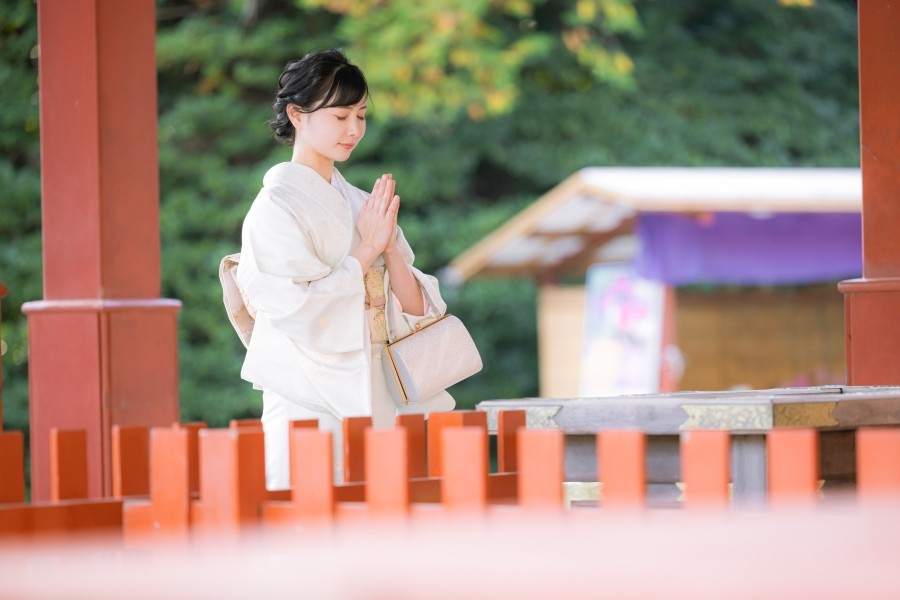
In Japan, the New Year does not begin with fireworks or parties, but with a quiet and meaningful tradition called Hatsumode—the first visit to a shrine or temple of the year.
From late night on December 31 through the first few days of January, millions of people visit shrines and temples across Japan to pray for health, happiness, success, and safety in the coming year.
For travelers, Hatsumode is a wonderful opportunity to experience Japanese culture at its most symbolic and atmospheric.
What Is Hatsumode?
Hatsumode (初詣) literally means “first visit.”
People usually visit a Shinto shrine or Buddhist temple, although shrines are more common for this tradition.
During Hatsumode, visitors:
- Pray for good fortune and good health
- Thank the gods or Buddhas for the past year
- Buy lucky charms and talismans
- Draw fortune slips called omikuji
It is both a spiritual ritual and a seasonal social event.
How Japanese People Pray During Hatsumode
At a Shinto shrine, the typical steps are:
- Bow lightly before entering
- Purify hands and mouth at the water basin
- Toss a coin into the offering box
- Bow twice, clap twice, and bow once more
At a Buddhist temple, clapping is not used, and prayers are offered silently.
Even if you are not religious, visitors are welcome as long as they behave respectfully.
Best Time to Go
- Late night on December 31: very atmospheric, crowded but special
- January 1: the busiest day of the year
- January 2–3: still festive, but easier to walk around
If you want to avoid crowds, visit early in the morning or after January 4.
Recommended Shrines and Temples for Hatsumode
Meiji Jingu (Tokyo)
One of Japan’s most popular Hatsumode destinations.
- Located near Harajuku and Shibuya
- Surrounded by a large forest, despite being in central Tokyo
- Dedicated to Emperor Meiji
The long walk through the torii gates creates a calm, sacred atmosphere.
Sensoji Temple (Asakusa)
Tokyo’s oldest and most famous Buddhist temple.
- Very lively during the New Year period
- Street food stalls line the approach
- Large incense burner for purification
Perfect for travelers who want a festive and energetic experience.
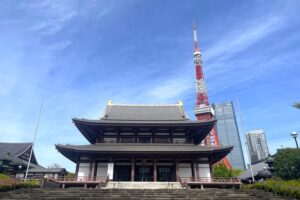
Zojoji Temple (Tokyo)
A unique Hatsumode spot blending history and modern scenery.
- Closely connected to the Tokugawa shoguns
- Located next to Tokyo Tower
- Open and easy to access
A great choice for photos and first-time visitors.
Hie Shrine (Tokyo)
Popular among locals for business and career success.
- Famous for its red torii gates
- Quieter than major tourist spots
- Easy access from central Tokyo
Ideal for travelers seeking a calmer Hatsumode experience.
Fushimi Inari Taisha (Kyoto)
One of Japan’s most iconic shrines.
- Thousands of vermilion torii gates
- Dedicated to Inari, the god of prosperity
- Open 24 hours
A magical place to visit early in the morning during the New Year.
Omamori and Omikuji: New Year’s Good Luck Items
During Hatsumode, people often buy:
- Omamori: protective charms for health, travel, love, or success
- Omikuji: paper fortunes predicting your luck
If you get bad luck, you can tie the paper to a designated rack to leave the misfortune behind.
Tips for Travelers
- Dress warmly—New Year visits can be very cold
- Follow local behavior and stay quiet near prayer areas
- Cash is useful for offerings and charms
- Photography is usually allowed, but avoid shooting people while they pray
Conclusion
Hatsumode is more than just a New Year activity—it reflects a Japanese way of thinking about renewal, gratitude, and fresh beginnings. Whether you visit a grand shrine like Meiji Jingu or a small neighborhood shrine, the experience offers a peaceful and memorable start to the year.
If you are visiting Japan during the New Year season, don’t miss the chance to experience Hatsumode and welcome the year the Japanese way.
\ Get the latest news /