
Fermentation in Washoku – The Invisible Art Behind Japanese Cuisine
 melomelotours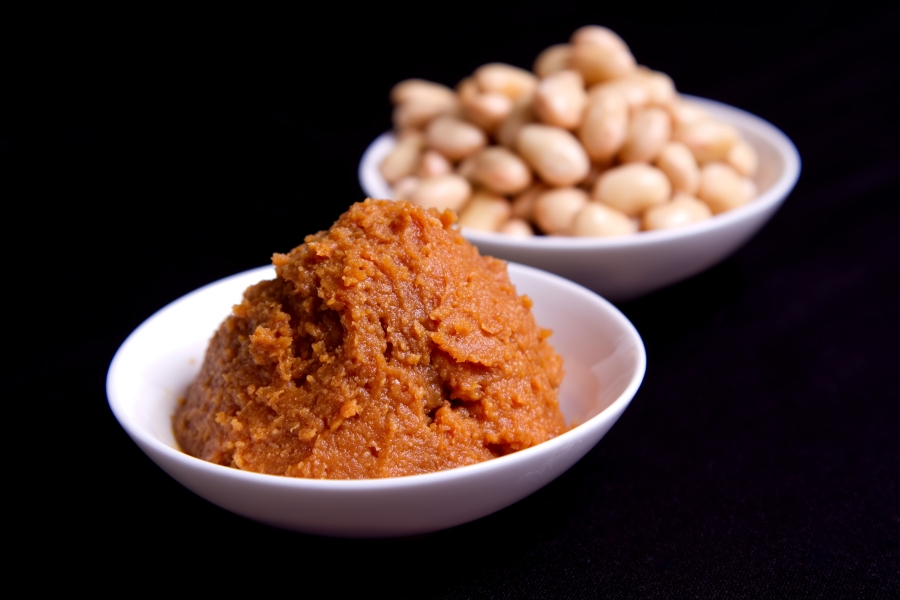
Japanese cuisine, or washoku, is famous for its delicate flavors, balance, and depth. One of the most important elements behind these qualities is fermentation. Although often invisible at first glance, fermentation plays a central role in shaping the taste, aroma, and nutrition of Japanese food.
This article explores Japan’s fermentation culture, the key ingredients involved, and why fermented foods are essential to understanding washoku.
Why Fermentation Is So Important in Japan
Before modern refrigeration, fermentation was a practical way to preserve food. In Japan’s humid climate, fermentation also helped develop flavors while keeping food safe to eat.
Over centuries, Japanese people refined fermentation techniques into an art form. Rather than overpowering ingredients, fermentation in washoku is used to enhance natural flavors and create umami.
Koji: The Heart of Japanese Fermentation
At the center of Japanese fermentation is koji, a mold (Aspergillus oryzae) cultivated on rice, barley, or soybeans.
Koji breaks down starches and proteins into sugars and amino acids, making foods flavorful and digestible. Without koji, many iconic Japanese foods would not exist.
Koji is used to make:
- Miso
- Soy sauce
- Sake
- Mirin
Because of this, it is often called the foundation of Japanese fermentation.
Miso: Fermented Comfort Food
Miso is a fermented paste made from soybeans, salt, and koji. It is one of the most familiar fermented foods in Japan, commonly used in miso soup.
There are countless regional varieties, ranging from light and sweet to dark and robust. Fermentation time can vary from a few months to several years, greatly affecting flavor.
Miso is not only comforting but also rich in umami and deeply connected to home cooking.
Soy Sauce: A Global Fermented Seasoning
Soy sauce (shoyu) is made by fermenting soybeans and wheat with koji, followed by aging. This long fermentation process creates its complex aroma and savory taste.
In Japanese cuisine, soy sauce is used carefully—not to dominate, but to balance and highlight ingredients. It is a perfect example of how fermentation supports subtlety rather than intensity.
Sake and Mirin: Fermentation in Japanese Cooking
Fermentation is not limited to solid foods.
Sake, Japanese rice wine, is produced through a unique multi-step fermentation using koji. While sake is enjoyed as a drink, it is also used in cooking to remove odors and add depth.
Mirin, a sweet rice wine, adds mild sweetness and shine to dishes. Both are essential components of Japanese seasoning.
Natto: The Bold Side of Fermentation
Natto, fermented soybeans, is one of Japan’s most polarizing foods. Known for its strong smell and sticky texture, natto is commonly eaten for breakfast.
Despite its challenging reputation, natto is highly nutritious and valued for its health benefits. It represents the more intense side of Japanese fermentation culture.
Pickled Foods (Tsukemono)
Fermented and pickled vegetables, known as tsukemono, are another important part of washoku.
Some are lightly pickled and fresh, while others are deeply fermented with strong flavors. Tsukemono are usually served as side dishes, helping refresh the palate and balance meals.
Fermentation and Umami
One of the main reasons fermentation is so important in Japanese food is umami.
Through fermentation, proteins are broken down into amino acids such as glutamate, which create savory depth. This allows Japanese cuisine to achieve richness without heavy use of fats or animal products.
Fermentation as a Cultural Value
Fermentation reflects key Japanese values: patience, attention to detail, and respect for natural processes. Many fermented foods take months or years to mature, requiring trust in time rather than speed.
This mindset is deeply connected to Japanese craftsmanship and seasonal awareness.
Experiencing Fermentation in Japan
Travelers in Japan encounter fermentation everywhere—from a bowl of miso soup at breakfast to soy sauce on sushi or sake at dinner.
Understanding fermentation helps visitors appreciate why Japanese food tastes the way it does. It is not just seasoning, but culture, history, and science working together.
The Quiet Power of Fermentation
Fermentation may be invisible, but it is essential to washoku. It transforms simple ingredients into complex flavors and supports one of the world’s most refined food cultures.
To understand Japanese cuisine is to understand fermentation—and the quiet artistry behind it.
\ Get the latest news /