
Exploring Japan’s Broth-Free Ramen Styles – Tsukemen, Mazesoba, and Aburasoba
 melomelotours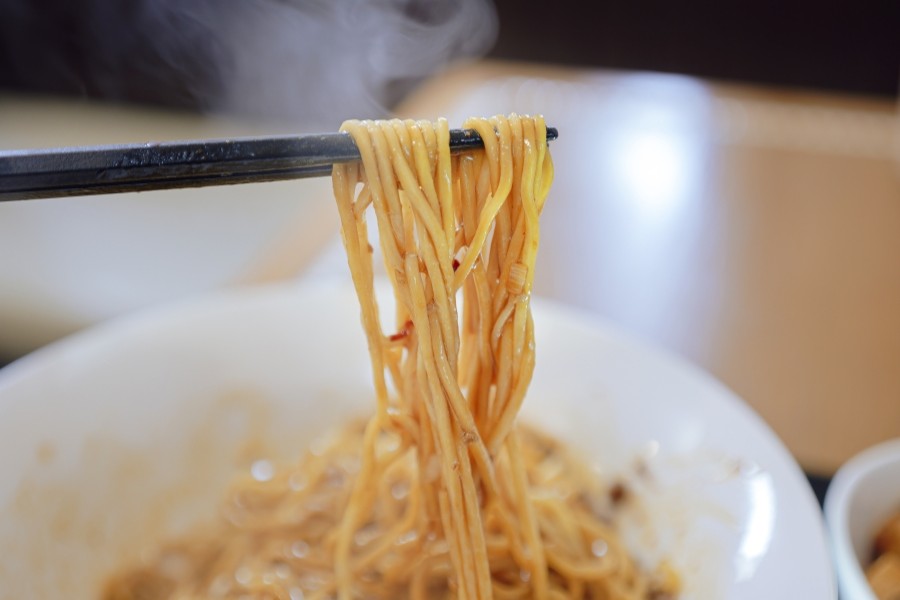
When people think of ramen, they often imagine a steaming bowl of soup.
However, Japan also has several popular broth-light or broth-free noodle styles that are especially loved in Tokyo: tsukemen, mazesoba, and aburasoba.
These styles focus on noodles, texture, and concentrated flavors rather than large amounts of soup. They are filling, customizable, and perfect for travelers who want to experience modern Japanese ramen culture.
What Is Tsukemen?
Tsukemen is a style of ramen where the noodles and soup are served separately.
Instead of noodles soaking in soup, you dip thick, chilled or room-temperature noodles into a rich, concentrated dipping broth just before eating. The soup is usually stronger than regular ramen broth because it is meant for dipping, not drinking directly.
Key Features of Tsukemen
- Extra-thick and chewy noodles
- Rich dipping soup made from pork, chicken, seafood, or a blend
- Toppings such as chashu pork, bamboo shoots, seaweed, and soft-boiled eggs
Many tsukemen shops allow you to choose the noodle amount, making it popular with hungry diners. At the end of the meal, some restaurants offer soup-wari, where hot broth is added to the remaining dipping sauce so you can drink it like soup.
What Is Mazesoba?
Mazesoba literally means “mixed noodles.”
It is a soup-less ramen style where noodles are topped with sauce, oil, and various ingredients, and then mixed thoroughly before eating.
Unlike tsukemen, there is no separate soup. Instead, all the flavors—sauce, oil, toppings, and seasonings—come together in the bowl. The key to enjoying mazesoba is to mix everything well before the first bite.
The Influence of Taiwanese Mazesoba
Modern mazesoba in Japan was strongly influenced by Taiwanese Mazesoba (Taiwan Mazesoba), which originated in Nagoya in the early 2000s.
Despite the name, Taiwanese mazesoba is not a traditional Taiwanese dish but a Japanese creation inspired by Taiwanese flavors such as garlic, chili, and minced meat.
Taiwanese mazesoba typically features:
- Thick noodles
- Spicy minced pork
- Garlic chives (nira)
- Raw egg yolk
- Nori and fish powder
This bold and spicy style became extremely popular and spread rapidly across Japan. As a result, it changed how people viewed soup-less ramen. Before its rise, broth-free noodles were relatively niche, but Taiwanese mazesoba proved that intense flavor and aroma could fully satisfy without soup.
Many modern mazesoba shops in Tokyo are directly inspired by this style, even when they do not label their dishes as “Taiwanese.” The emphasis on strong seasoning, mixing before eating, and customization all come from this influence.
Common Mazesoba Toppings
While Taiwanese-style mazesoba remains popular, Japanese shops have since developed countless variations.
Common toppings include:
- Minced pork or sliced chashu
- Raw or soft-boiled egg
- Garlic, green onions, and seaweed
- Chili oil, vinegar, or pepper
Some shops offer non-spicy versions, cheese-based mazesoba, or even seasonal ingredients, showing how flexible the format has become.
How to Eat Mazesoba
Most shops recommend mixing the noodles thoroughly until the sauce coats everything evenly.
About halfway through the meal, some restaurants suggest adding vinegar or chili oil from the table to change the flavor.
After finishing the noodles, certain shops offer rice to mix with the remaining sauce, allowing you to enjoy every last bit.
Common Mazesoba Toppings
- Minced pork or chashu
- Raw or soft-boiled egg
- Garlic, green onions, and seaweed
- Vinegar or chili oil for added punch
Mazesoba is often richer and bolder in flavor, with a strong emphasis on aroma. Many shops encourage diners to customize the taste by adding vinegar, chili oil, or pepper from the table.
What Is Aburasoba?
Aburasoba is another broth-less noodle dish, but it is generally simpler and lighter than mazesoba.
The name means “oil noodles,” but it is not greasy. A small amount of flavored oil and soy-based sauce coats the noodles, creating a clean and satisfying taste.
Characteristics of Aburasoba
- No soup, only oil and sauce
- Fewer toppings than mazesoba
- Smooth, easy-to-eat flavor
Because it contains no soup, aburasoba is often considered less heavy than traditional ramen and is popular with office workers and students. Many people add vinegar and chili oil gradually to adjust the flavor.
How to Eat Tsukemen, Mazesoba, and Aburasoba
Each style has its own eating method:
- Tsukemen: Dip a small portion of noodles into the soup each time
- Mazesoba: Mix everything thoroughly before the first bite
- Aburasoba: Stir well, then add seasonings little by little
Slurping is completely acceptable and even encouraged—it enhances aroma and flavor.
Why These Styles Are Popular in Tokyo
Tokyo is known for innovation in ramen culture.
Tsukemen became popular for its bold flavors and thick noodles, while mazesoba and aburasoba reflect a modern preference for customization, speed, and noodle-focused dishes.
They are also practical:
- No soup spilling
- Easier to eat quickly
- Less affected by hot weather
Tips for First-Time Visitors
- Vending machine ticket systems are common—look for pictures if Japanese is difficult
- Noodle portions can be large; check sizes before ordering
- Many shops are cash-only
- Don’t be afraid to ask staff how to eat it—this is very normal
Conclusion
Tsukemen, mazesoba, and aburasoba show how diverse Japanese ramen culture truly is.
If you want to go beyond classic soup ramen and experience what locals love, these styles are a must-try during your stay in Tokyo.
Trying different noodle styles is one of the most delicious ways to understand modern Japanese food culture.
\ Get the latest news /