
Discovering Japan’s Washi Culture – Paper-Making Workshops and Hands-On Experiences
 melomelotours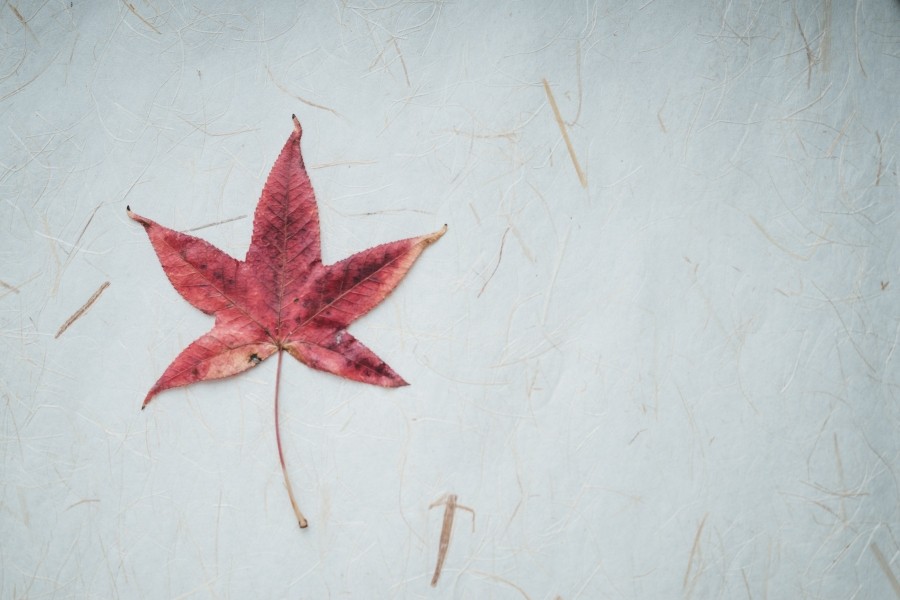
When exploring Japanese culture, visitors often focus on food, temples, and traditional arts such as tea ceremony or calligraphy. However, washi, traditional Japanese paper, is another cultural treasure that reflects Japan’s craftsmanship, aesthetics, and connection to nature. From centuries-old techniques to modern creative uses, washi remains an important part of everyday life and artistic expression.
In this article, we explore what makes washi special, its cultural significance, and how travelers can experience washi through workshops and studio visits in Japan.
What Is Washi?
Washi is traditional Japanese paper made by hand using natural fibers such as kozo (mulberry), mitsumata, or gampi. Unlike Western paper, washi is known for its strength, flexibility, and lightness. It is surprisingly durable, yet soft to the touch.
The production of washi dates back more than 1,300 years. In 2014, traditional Japanese hand papermaking was recognized as UNESCO Intangible Cultural Heritage, highlighting its historical and cultural importance.
The Craftsmanship Behind Washi
Washi-making is a careful and time-consuming process that relies on clean water and skilled hands. Fibers are harvested, boiled, beaten, and mixed with water and natural binding agents. The pulp is then spread evenly on a screen to form thin sheets.
Each sheet reflects the artisan’s technique, and no two pieces are exactly the same. This handmade quality is one of the reasons washi has long been valued for calligraphy, bookmaking, sliding doors, and decorative arts.
How Washi Is Used in Daily Life
Traditionally, washi has been used for shoji screens, lanterns, umbrellas, and writing materials. Today, it is also found in modern stationery, interior design, fashion, and contemporary art.
Because of its texture and natural beauty, washi is often used to create a calm and warm atmosphere in Japanese homes and spaces. It represents the Japanese appreciation for simplicity and natural materials.
Visiting Washi Workshops and Studios
One of the best ways to understand washi is by visiting a washi workshop or studio. Many workshops welcome visitors and offer guided tours explaining the history and techniques of papermaking.
Hands-on experiences allow participants to make their own sheet of washi, choosing thickness, texture, and sometimes decorative elements. These workshops are suitable for beginners and provide a meaningful cultural experience that goes beyond sightseeing.
Finished pieces can often be taken home as unique souvenirs.
Why Washi Experiences Are Memorable for Travelers
Participating in a washi-making workshop offers a quiet and immersive break from busy city travel. It allows visitors to slow down and appreciate the patience and skill behind traditional Japanese crafts.
For travelers interested in culture, design, or sustainability, washi workshops offer insight into how tradition continues to evolve in modern Japan.
Connecting Washi to Your Japan Journey
Learning about washi helps visitors understand how craftsmanship, nature, and daily life are deeply connected in Japan. Whether you visit a rural paper village or a small studio in the city, the experience leaves a lasting impression.
By exploring washi culture through hands-on workshops, travelers gain a deeper appreciation of Japan’s artistic heritage—one sheet of paper at a time.
\ Get the latest news /