
Discovering Goshuin – Japan’s Beautiful Temple and Shrine Stamps
 melomelotours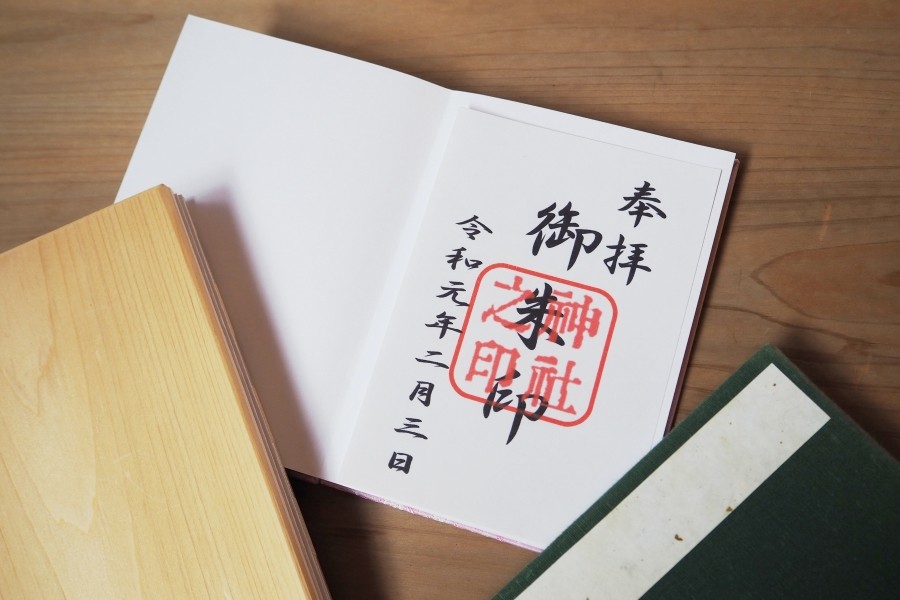
When visiting Japan’s temples and shrines, you may notice people carrying small books and receiving elegant red-and-black stamps from monks or shrine attendants. These are called Goshuin (御朱印) — sacred stamps or calligraphy seals that serve as both a record of your visit and a beautiful piece of art.
What Is a Goshuin?
A Goshuin is a hand-written stamp that you can receive at Buddhist temples and Shinto shrines throughout Japan. Each Goshuin is created using brush calligraphy and red ink stamps, typically featuring the name of the temple or shrine, the date of your visit, and sometimes a short prayer or phrase.
Traditionally, Goshuin were given to pilgrims as proof of their prayers or offerings, but today they are also popular among travelers — both Japanese and international — as spiritual souvenirs.
The Goshuin Book (Goshuin-chō)
To collect Goshuin, you’ll need a Goshuin-chō (御朱印帳), or Goshuin book. These books are usually sold at temples, shrines, or souvenir shops near major religious sites. They are beautifully decorated with traditional patterns, cherry blossoms, dragons, or even modern designs.
Each page is made of thick paper that can handle brush ink, and travelers often take pride in filling their books with stamps from all across Japan. It’s a wonderful way to document your spiritual journey and travels.
Where to Get Goshuin
You can receive Goshuin at most temples and shrines in Japan. Look for a small sign that says “御朱印” or “Goshuin” — it’s often near the main hall or the office where amulets are sold.
When requesting one:
- Politely hand over your Goshuin book, open to the next blank page.
- Wait patiently as the monk or attendant writes and stamps it by hand (it usually takes a few minutes).
- A small donation of around 300–500 yen is typically given in return.
Etiquette and Respect
Because Goshuin are sacred, it’s important to approach the process with respect:
- Visit the shrine or temple first and offer a short prayer before asking for a Goshuin.
- Do not treat it as a simple souvenir — think of it as a spiritual record of your visit.
- Avoid asking for Goshuin at extremely busy times (such as New Year or major festivals).
If you forget your Goshuin book, some temples also offer Goshuin on single sheets of paper that you can paste into your book later.
Why You Should Try It
Collecting Goshuin is not only about religion — it’s also about experiencing Japan’s living culture. Each temple and shrine has a unique style, so no two Goshuin are the same. The elegant brushstrokes and intricate seals reflect centuries of Japanese artistry and devotion.
For travelers, a Goshuin collection becomes a deeply personal travel journal — one that captures not just places, but moments of calm and connection during your journey through Japan.
Popular Spots for Goshuin
- Senso-ji Temple (Tokyo): The oldest temple in Tokyo, famous for its bold calligraphy style.
- Meiji Shrine (Tokyo): A peaceful oasis in the city, with a refined Goshuin design.
- Fushimi Inari Shrine (Kyoto): Known for its red torii gates and distinctive fox symbols.
- Kinkaku-ji Temple (Kyoto): Offers a beautiful Goshuin reflecting its golden pavilion.
A Cultural Treasure to Cherish
Whether you are a spiritual seeker, a lover of Japanese art, or simply a curious traveler, collecting Goshuin is a meaningful way to connect with Japan’s traditions. Each page tells a story — of faith, culture, and beauty — and serves as a timeless reminder of your journey through the land of temples and shrines.
\ Get the latest news /