Are Samurai, Ninja, and Geisha Still in Japan Today? A Traveler’s Guide to What’s Real—and What’s Not
 melomelotours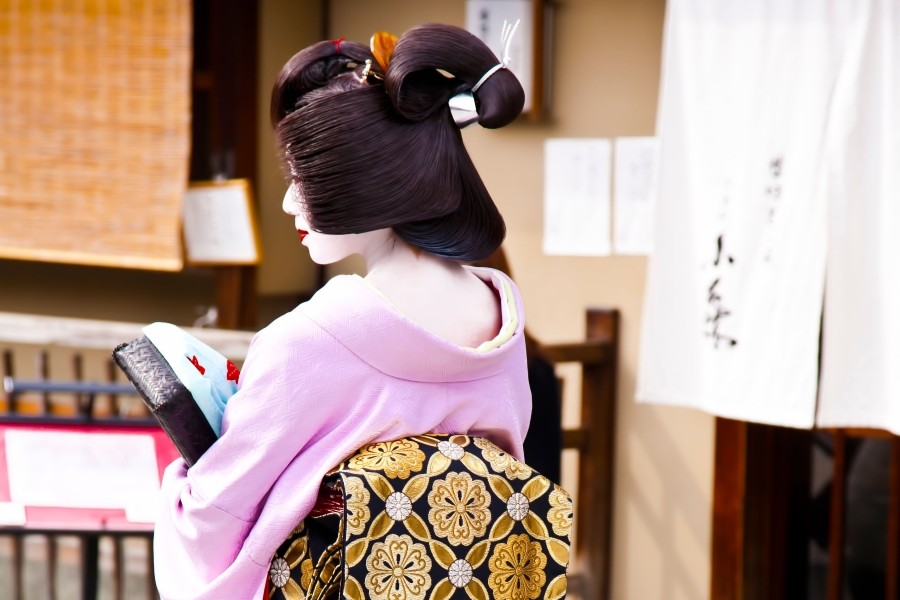
Many visitors come to Japan with images of samurai warriors, silent ninja, and elegant geisha inspired by movies, anime, and history. But what remains of these iconic figures in modern Japan?
This guide explains what still exists, what has disappeared, and where travelers can experience these traditions today.
Are There Samurai in Japan Today?
Historically, samurai were members of a warrior class that served feudal lords during Japan’s medieval and early modern periods. They held political power, followed strict ethical codes, and fought in wars.
However, the samurai class was officially abolished in the late 19th century during the Meiji Restoration. Today, there are no samurai in the traditional sense—no warrior class, no samurai duties, and no legal status.
Where You Can Experience Samurai Culture
Although real samurai no longer exist, their legacy lives on through museums, cultural centers, and entertainment experiences. Travelers can enjoy:
• Samurai museums and armor displays
• Swordsmanship demonstrations
• Samurai-themed photo studios
• Historical villages and Edo-period attractions
These experiences offer a fun and educational look into samurai history without presenting it as something that still exists today.
Are There Ninja in Japan Today?
Like samurai, ninja were real historical figures—specialized spies and covert agents active during Japan’s feudal era. Their skills included stealth, intelligence gathering, and survival techniques.
But in modern Japan, there are no working ninja performing espionage or covert missions. Ninja as a profession died out centuries ago.
Where You Can Experience Ninja Culture
Ninja culture remains popular in entertainment and tourism. Travelers can explore:
• Ninja museums with exhibits on weapons and tools
• Ninja shows and performances
• Ninja-themed cafes
• Interactive experiences where you can try throwing shuriken
• Theme parks with ninja training courses
These are playful, family-friendly attractions that celebrate history and pop culture rather than functioning ninja.
Do Geisha Still Exist?
Unlike samurai and ninja, geisha do exist today, although in much smaller numbers than in the past.
Modern geisha (called geiko in Kyoto and geigi in some regions) are highly trained entertainers skilled in traditional arts such as:
• Classical dance
• Tea ceremony
• Traditional music and instruments
• Conversational hospitality
Geisha primarily work in traditional teahouses, where they host private banquets and perform for guests.
Where You Can See Geisha
Travelers may encounter geisha in:
• Kyoto’s Gion and Miyagawacho districts
• Kanazawa’s Higashi Chaya district
• Tokyo’s Asakusa and Kagurazaka areas
While private banquets are expensive, public dance performances and cultural events offer accessible ways to enjoy geisha arts.
Why These Traditions Still Fascinate Travelers
Samurai, ninja, and geisha symbolize different aspects of Japanese culture—discipline, mystery, beauty, and artistry.
Even though samurai and ninja no longer exist as professions, and modern geisha are far from their Edo-period counterparts, these traditions continue to inspire art, film, anime, and tourism.
Experiencing Historical Japan Respectfully
• Enjoy samurai and ninja attractions as entertainment and education—not as representations of living professions.
• When visiting geisha districts, be respectful, avoid blocking pathways, and follow photography rules.
• Take time to learn the history behind these traditions to appreciate their cultural importance.
The Japan of Today and the Past
Modern Japan is a blend of ancient traditions and cutting-edge technology. While samurai and ninja are no longer part of daily life, you can still explore their stories through museums, performances, and themed experiences.
And geisha, though fewer in number, continue to preserve some of Japan’s most refined traditional arts.
\ Get the latest news /