Where to See Tokyo’s Salarymen in Suits – Best Areas, Stations, and Times
 melomelotours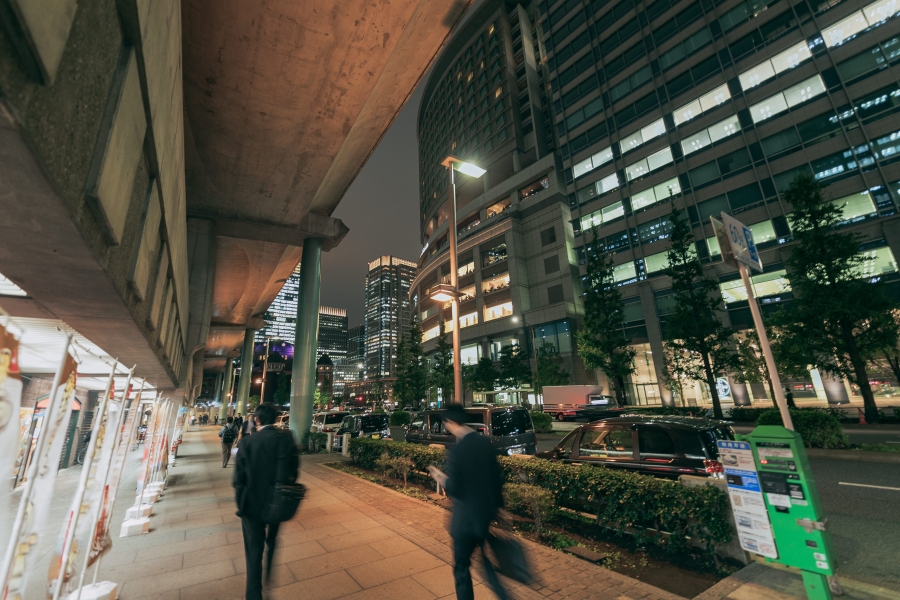
For many travelers, the image of Tokyo includes streams of salarymen in dark suits, briefcases in hand, moving through busy stations and office districts. While Japan’s work culture has evolved in recent years, it is still very possible to see this classic scene—if you know where and when to look.
This guide introduces the best areas, stations, and time slots to observe Tokyo’s salarymen culture, with a note on how things have changed after COVID-19.
What Is a “Salaryman”?
A salaryman typically refers to male office workers employed by companies, often wearing business suits. Although the workforce is now more diverse, the salaryman remains a strong symbol of Japan’s corporate culture, discipline, and urban life.
Shimbashi: The Classic Salaryman District
Shimbashi is the most famous area to see salarymen in Tokyo.
Best Station
- Shimbashi Station (JR lines, Ginza Line, Asakusa Line)
Best Time
- Weekdays, 6:00–9:00 PM
During the evening rush, the streets around Shimbashi Station fill with office workers heading to izakaya pubs for drinks after work. Many are still wearing full business suits, making this area ideal for observing traditional after-work culture.
The atmosphere is lively, slightly chaotic, and very “Tokyo.”
Kanda: A Business District with a Local Feel
Kanda is another excellent spot, especially for those who want a less touristy experience.
Best Station
- Kanda Station (JR Yamanote Line, Chuo Line)
Best Time
- Weekdays, 5:30–8:30 PM
Kanda is home to many small and mid-sized companies. You’ll often see salarymen walking in groups, heading to casual eateries or standing bars. Compared to Shimbashi, the mood is calmer and more local.
Marunouchi & Otemachi: The Corporate Core
If you want to see a more polished side of Tokyo’s business world, visit Marunouchi or Otemachi, near Tokyo Station.
Best Station
- Tokyo Station / Otemachi Station
Best Time
- Weekdays, 8:00–9:30 AM or 6:00–7:30 PM
Here, you’ll see office workers from major corporations, often in high-quality suits. The area feels more modern and international, especially in the morning rush.
Morning vs. Evening: Which Is Better?
- Morning (7:30–9:30 AM):
Fast-paced, quiet, and serious. Fewer people stop or linger. - Evening (After 6:00 PM):
More relaxed, social, and visually interesting, especially near bars and restaurants.
For travelers, evenings are generally more enjoyable to observe.
Changes After COVID-19
Since the COVID-19 pandemic, Tokyo’s work culture has changed noticeably.
- More remote and hybrid work
- Fewer people commuting every day
- Increase in business-casual clothing
As a result, the number of people wearing full suits has decreased compared to pre-pandemic times. You may now see more office workers in jackets without ties, or even smart casual attire.
However, traditional suit culture has not disappeared, especially in central business districts and during peak commuting hours.
Tips for Travelers
- Visit on weekdays, not weekends
- Avoid holidays
- Observe respectfully; casual photography is fine, but don’t obstruct commuters
- Combine observation with dinner in an izakaya for a full experience
Seeing Tokyo’s Work Culture Up Close
While Tokyo’s salaryman culture has evolved, it remains an important part of the city’s identity. By visiting areas like Shimbashi and Kanda at the right time, travelers can still witness this iconic urban scene.
It’s a glimpse into the rhythm of everyday Tokyo—fast, organized, and quietly fascinating.
\ Get the latest news /