Hatsuhinode – Experiencing Japan’s First Sunrise of the New Year
 melomelotours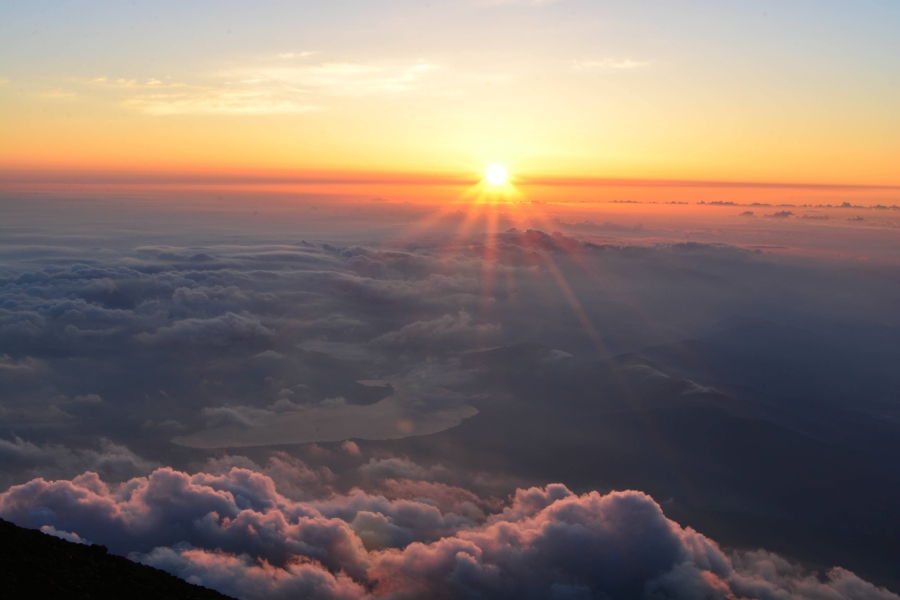
When visiting Japan during the New Year season, you may hear people talking about Hatsuhinode, the first sunrise of the year. Watching the sun rise on January 1st is more than a beautiful moment—it is a meaningful tradition that symbolizes new beginnings, hope, and good fortune. In this article, we explore what Hatsuhinode is, why it matters, and how travelers can experience it in Japan.
What Is Hatsuhinode?
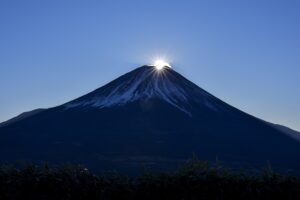
Hatsuhinode literally means “first sunrise.” It refers to the custom of waking up early on New Year’s Day to watch the very first sunrise of the year. This tradition has been practiced for centuries and is closely connected to Shinto beliefs, where the sun holds sacred significance.
In Shinto mythology, the sun goddess Amaterasu is one of the most important deities. Because of this, the rising sun has long been associated with life, renewal, and divine energy. By watching the first sunrise of the year, people express gratitude for the past year and pray for health, happiness, and success in the year ahead.
Why Hatsuhinode Is Important in Japanese Culture
Hatsuhinode represents a symbolic reset. Just as the New Year marks a fresh start, the first sunrise is believed to bring positive energy and good luck. Many people silently make wishes or offer prayers while watching the sun slowly rise above the horizon.
For some, Hatsuhinode is a spiritual experience. For others, it is a peaceful and reflective moment shared with family or friends. Either way, it is considered an auspicious way to begin the year with a positive mindset.
Where Do People Watch Hatsuhinode?
In Japan, Hatsuhinode can be enjoyed from many different locations, depending on personal preference and geography.
- Mountains: Some people hike or take cable cars to higher elevations for a clear view of the horizon.
- Coastal areas: Beaches and seaside parks are popular, especially along the Pacific coast.
- Observation decks: In cities like Tokyo, observation decks and tall buildings offer stunning urban sunrise views.
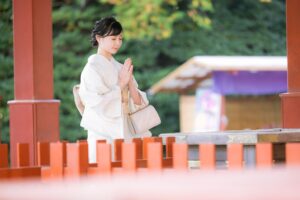
- Temples and shrines: Some religious sites open early on New Year’s Day, allowing visitors to combine Hatsuhinode with their first shrine visit of the year.
In Tokyo, places such as seaside parks, riversides, and high-rise viewpoints attract many locals and visitors alike.
How Hatsuhinode Is Enjoyed Today
While the tradition remains deeply rooted, modern lifestyles have influenced how Hatsuhinode is experienced. Some people wake up early and go out despite the cold, while others watch the sunrise from balconies, rooftops, or even through live broadcasts on TV.
Many combine Hatsuhinode with Hatsumode, the first shrine or temple visit of the year. After watching the sunrise, families often head to nearby shrines to pray, draw fortune slips, and enjoy festive food from seasonal stalls.
Can Travelers Experience Hatsuhinode?
Absolutely. Hatsuhinode is open to everyone, and travelers are welcome to join locals in this quiet yet powerful tradition. Even without deep cultural knowledge, simply sharing the moment of sunrise can be a memorable experience.
If you are visiting Japan during the New Year season, dressing warmly and arriving early is key. Popular spots can become crowded, but the atmosphere is usually calm and respectful. Watching the sun rise over Japan—especially in a city like Tokyo—offers a unique perspective that blends tradition with modern life.
Why Hatsuhinode Matters for Visitors
Experiencing Hatsuhinode allows travelers to see a softer, more reflective side of Japan. It is not about sightseeing or taking photos alone, but about slowing down and sharing a meaningful moment with the local culture.
Starting the year by watching the first sunrise in Japan can become a lasting memory—one that connects you not only to the country, but also to the universal idea of hope and renewal.
\ Get the latest news /