
Traditional Japanese Arts and Martial Arts Every Visitor Should Know
 melomelotours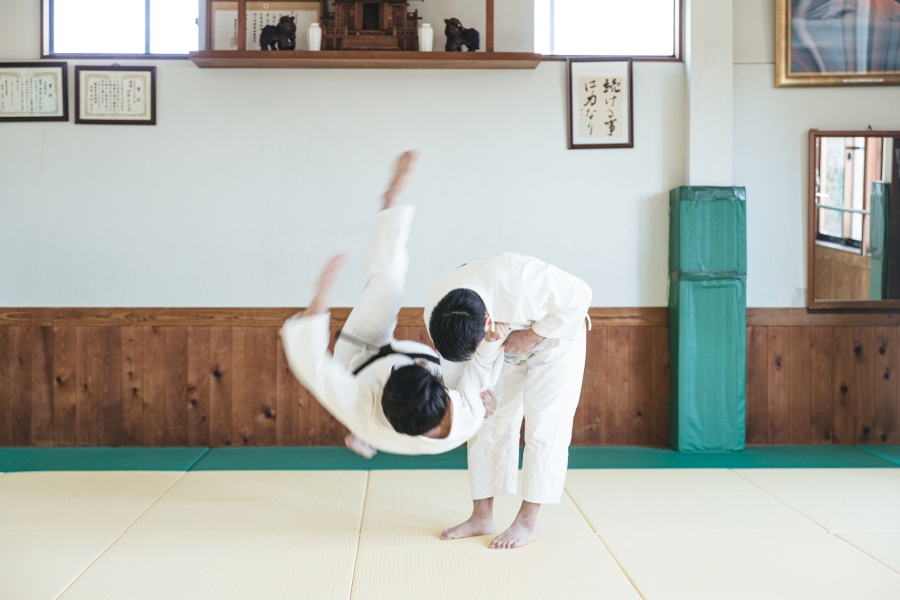
Japan’s traditional arts and martial arts offer a deep look into the country’s aesthetics, philosophy, and sense of discipline. Whether you're visiting Tokyo, Kyoto, or rural regions, these eight cultural practices will help you understand Japan on a deeper level.
1. Shodō (書道) – Japanese Calligraphy
Shodō is the art of writing characters with a brush and black ink. Each stroke expresses the writer’s rhythm, balance, and state of mind.
Why try it: A meditative activity that connects visitors with Japanese aesthetics.
Where: Asakusa, Ueno, Kyoto cultural studios.
2. Sadō / Chadō (茶道) – The Way of Tea
The tea ceremony is a slow, refined ritual centered on preparing and sharing matcha. Every gesture symbolizes harmony and respect.
Why try it: A peaceful cultural experience rooted in Zen philosophy.
Where: Kyoto tea houses, Tokyo gardens, cultural centers.
3. Kadō / Ikebana (華道/いけばな) – Traditional Flower Arrangement
Ikebana emphasizes simplicity, natural form, and the beauty of empty space. Seasonal flowers and branches are arranged in a way that expresses harmony with nature.
Why try it: A creative, calming practice that reflects Japanese aesthetics.
Where: Workshops in Harajuku, Aoyama, or Kyoto’s cultural schools.
4. Kendō (剣道) – The Way of the Sword
A modern martial art inspired by samurai swordsmanship, using bamboo swords (shinai) and protective armor.
Why try it: Combines intense focus with traditional etiquette and spirit.
Where: Tokyo and Osaka dojos, trial lessons for visitors.
5. Judō (柔道) – The Gentle Way
One of Japan’s most internationally recognized martial arts. Instead of strikes, judo emphasizes throws, grappling, and using an opponent’s force.
Why try it: A blend of strength, balance, and respect.
Where: Kodokan (Tokyo) and judo schools nationwide.
6. Kyūdō (弓道) – Japanese Archery
Kyūdō emphasizes posture, breath control, and inner calm as much as accuracy. The ritualized shooting style is elegant and meditative.
Why try it: A beautiful expression of Zen-like focus.
Where: Kyūdō halls, shrine demonstrations, cultural events.
7. Aikidō (合気道) – The Art of Harmony
Aikidō uses circular movements, joint locks, and redirection to neutralize attacks without aggression.
Why try it: Ideal for those interested in non-violent martial arts based on balance and flow.
Where: Aikidō dojos in Shinjuku, Shibuya, and Osaka.
8. Karate-dō (空手道) – The Way of the Empty Hand
Originating in Okinawa, karate emphasizes punches, kicks, blocks, and disciplined forms (kata). It has many styles and is practiced worldwide.
Why try it: Dynamic, accessible to beginners, and rich in tradition.
Where: Okinawa martial arts centers, Tokyo dojos offering short lessons.
Why These Eight Arts Matter for Visitors
Exploring these disciplines offers insight into:
- Japan’s respect-centered culture
- The influence of Zen and nature
- Samurai heritage and traditional etiquette
- The balance of strength, calmness, and beauty
Whether through a hands-on workshop or a martial arts class, these experiences help travelers connect with Japan beyond sightseeing.
\ Get the latest news /