
Japanese Breakfast Culture – What You Actually Get at Hotels & Ryokan
 melomelotours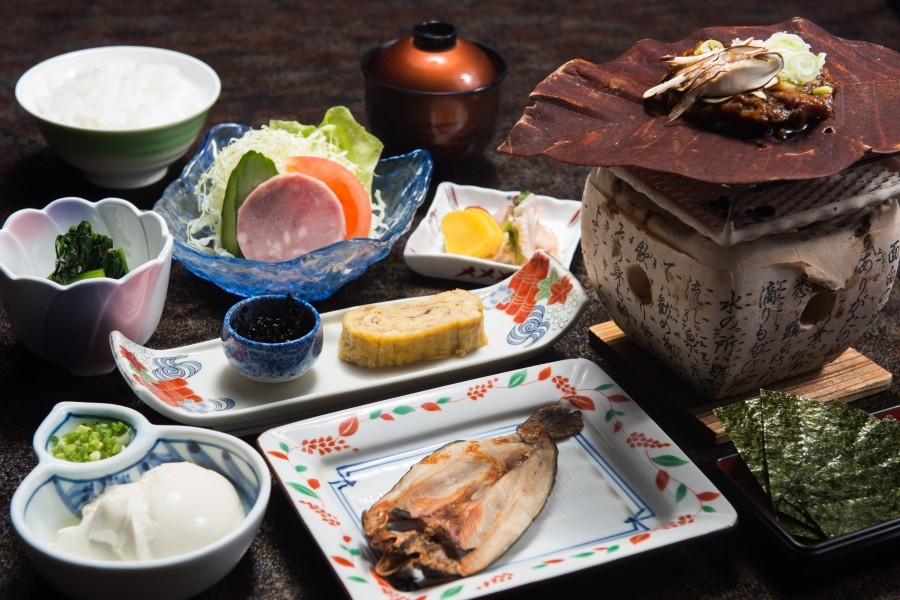
A Different Approach to Breakfast
Japanese breakfast culture is fascinating because of its balance, simplicity, and emphasis on natural flavors. While Western breakfasts tend to be sweet or heavy—like pancakes, sausage, or cereal—the Japanese morning meal is centered on warm, gentle dishes that prepare the body for the day. The concept focuses on harmony: harmony of flavors, nutrients, and seasonal ingredients.
What You’ll Find in a Traditional Japanese Breakfast
A typical meal consists of several small dishes, each playing a role in the overall nutritional balance:
- Steamed white rice – the essential base of Japanese cuisine
- Grilled fish – often salmon or mackerel
- Miso soup – comforting, warm, and full of umami
- Natto or tofu – healthy plant-based protein
- Tsukemono (pickles) – adds acidity and refreshes the palate
- Nori (seaweed) – eaten with rice or by itself
- Tamagoyaki – a slightly sweet layered omelet
Rather than offering one large main dish, Japanese breakfasts emphasize variety and moderation.
The Beauty of Ryokan Breakfasts
A ryokan stay allows travelers to experience breakfast in its most refined form. Meals are beautifully plated, often served in lacquered boxes or on individual trays. Ingredients vary regionally—for example, coastal ryokan might serve fresh fish or sea vegetables, while those in mountainous areas might offer local tofu or wild vegetables.
These breakfasts are typically prepared early in the morning by skilled chefs who use seasonal ingredients. Visitors often describe them as “too beautiful to eat” and “like a cultural experience, not just a meal.”
Hotel Buffets in Japan
Even if you're not staying in a ryokan, Japanese business hotels and luxury hotels offer generous breakfast buffets. While you may see croissants, eggs, and fruit, you’ll almost always find Japanese staples such as:
- miso soup
- rice
- grilled fish
- tofu dishes
- simmered vegetables
- Japanese-style curries
It’s a great opportunity to try Japanese flavors in small portions.
The Philosophy Behind Breakfast
Japanese people believe that food should nourish both the body and mind. Breakfast is meant to gently activate the digestive system and provide stable energy. Heavy or greasy foods are avoided in the morning because they are thought to disrupt balance and make the body sluggish. This philosophy reflects broader Japanese culinary values: purity, simplicity, and respect for ingredients.
Why Visitors Should Try It
For many travelers, Japanese breakfast becomes a surprising highlight. It’s healthy, satisfying, and a beautiful window into the daily life of Japan. Even if you're unsure about miso soup or grilled fish in the morning, it’s an experience worth trying at least once.
\ Get the latest news /