
A Sweet Taste of Japan – A Traveler’s Guide to Wagashi
 melomelotours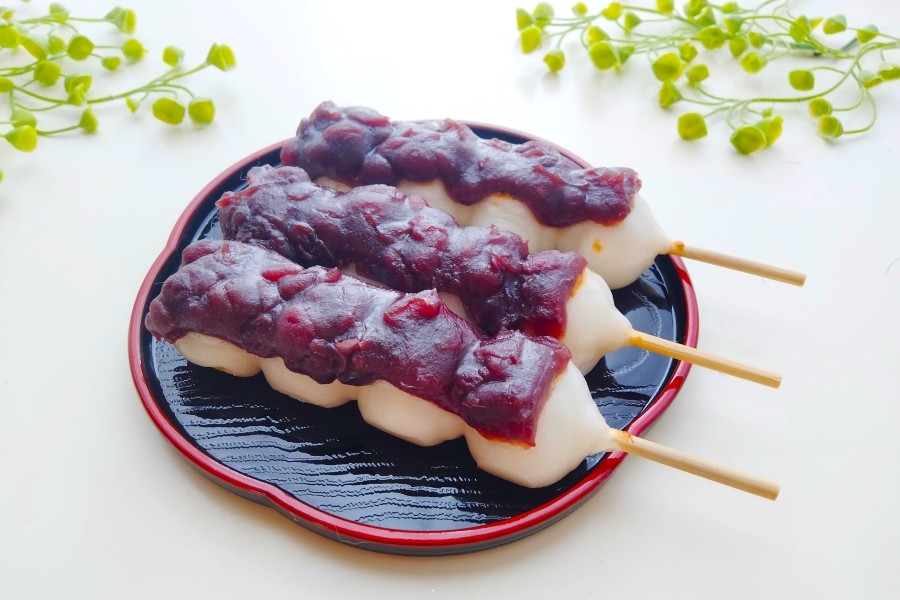
Japan is famous for sushi, ramen, and tempura—but there is another side of Japanese cuisine that travelers shouldn’t miss: wagashi, traditional Japanese sweets crafted with beauty, seasonality, and delicate flavors.
Often served with tea or enjoyed during festivals, wagashi are more than desserts—they are small works of art that reflect Japanese culture itself.
Here’s your friendly guide to understanding and enjoying wagashi during your trip to Japan.
What Is Wagashi?
Wagashi refers to traditional Japanese confectionery made from simple, natural ingredients such as:
- Mochi (rice cake)
- Anko (sweet red bean paste)
- Kanten (agar jelly)
- Chestnuts, sweet potatoes, matcha, fruits, and more
Unlike Western sweets, wagashi focuses less on strong sweetness and more on texture, seasonality, and visual beauty.
1. Nerikiri – The Art of Seasonal Sweets
Nerikiri are small, hand-crafted sweets shaped like cherry blossoms, autumn leaves, birds, or snow.
They are often served during tea ceremonies and are as beautiful as miniature sculptures. Each design reflects the season, making them a popular gift.
Try it at: High-end tea houses, wagashi shops in Ginza or Kyoto-style cafés in Tokyo.
2. Dango – Sweet Skewered Mochi
Dango are chewy rice dumplings on a stick.
Some popular varieties include:
- Mitarashi dango (soy-sauce glaze)
- Hanami dango (pink–white–green)
- Kibi dango (mildly sweet millet dumplings)
They are affordable, fun, and easy to eat while exploring temples or festivals.
Try it at: Asakusa, Ueno, street stalls, convenience stores.
3. Daifuku – Mochi Filled with Sweetness
Perhaps the most traveler-friendly wagashi, daifuku is soft mochi filled with red bean paste, white bean paste, or seasonal fruits.
The most famous version?
Ichigo daifuku — mochi wrapped around a big, juicy strawberry.
Try it at: Depachika (department store food floors), Nakamise Street, convenience stores.
4. Yokan – Traditional Sweet Jelly
Yokan is a firm, smooth jelly made from red beans and agar.
It is often beautifully presented with chestnuts, matcha gradients, or designs inspired by nature.
Yokan travels well and is one of the most popular edible souvenirs.
Try it at: Toraya (虎屋), Funawa (舟和) in Asakusa.
5. Taiyaki – Warm, Fish-Shaped Cakes
These charming, fish-shaped sweets are filled with custard, red beans, or chocolate.
They’re baked to order and served warm, making them perfect for a quick snack while walking around Tokyo.
Try it at: Azabu Juban, Shibuya, Nakano Broadway.
6. Sweet Potato Sweets – A Tokyo Classic
Satsumaimo (Japanese sweet potato) is extremely popular in Tokyo’s old towns like Asakusa and Kawagoe. You’ll find sweet potato cakes, tarts, chips, and soft-serve ice cream.
Try it at: Kawagoe’s Kashiya Yokocho (Candy Alley), Asakusa’s shopping streets.
Wagashi & Japanese Tea: A Perfect Pair
Wagashi is traditionally served with matcha, whose slight bitterness balances the sweetness perfectly.
Many tea houses in Tokyo, Kyoto, and Kanazawa offer a set where you can enjoy handmade wagashi with freshly whisked matcha.
For travelers, it’s a gentle and memorable introduction to Japanese tea culture.
Where to Try Wagashi in Tokyo
✅ Asakusa – classic shops, street snacks, and festival-style wagashi
✅ Ginza – elegant traditional brands like Toraya
✅ Department Store “Depachika” – huge selection in one place
✅ Kagurazaka / Nihombashi – stylish cafés and long-established wagashi makers
Many shops offer seasonal limited edition sweets, so there is always something new to try.
Conclusion for Wagashi Lovers
- Wagashi often changes every month, reflecting flowers, weather, and festivals.
- Many are beautifully packaged—ideal as souvenirs.
- Even convenience stores in Japan sell surprisingly good wagashi options!
- If you want a cultural experience, try a wagashi-making workshop.
\ Get the latest news /