A Practical Guide to Cashless Payments in Japan: What Travelers Need to Know
 melomelotours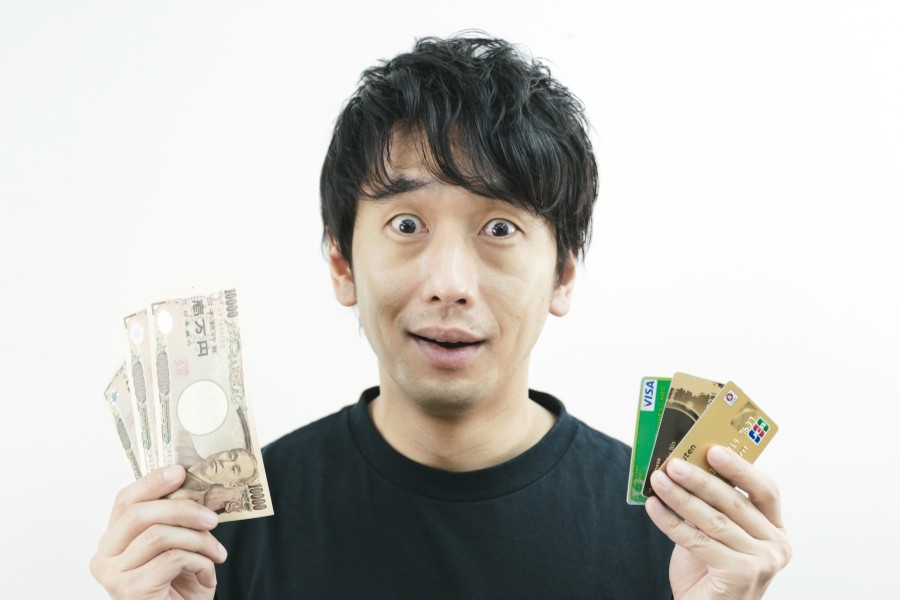
Japan is becoming more cashless every year, with trains, convenience stores, and many restaurants now accepting digital payments. Still, Japan isn’t completely cash-free—and knowing when you can use cards or mobile payments, and when you need yen, will make your trip smoother.
This guide explains how cashless payments work, how to charge and use Suica, when cash is still essential, and how to withdraw yen at 7-Eleven ATMs.
Japan Is Cashless—But Not Everywhere
Major cities like Tokyo and Osaka are highly cashless. You can usually pay using:
• IC cards such as Suica or PASMO
• Credit cards (Visa, Mastercard, Amex)
• Mobile payments like Apple Pay or Google Pay
• QR payments at some stores (e.g., PayPay, Line Pay)
However, Japan’s cashless adoption is uneven. Large chains and transport systems are easy, but smaller businesses often still rely on cash.
Suica: The Easiest Way to Go Cashless
Suica is one of the most convenient payment tools for travelers. You can use it for:
• Trains and buses
• Convenience stores
• Vending machines
• Some cafes and fast-food chains
• Coin lockers
• Taxis (selected companies)
How to Get Suica
You can purchase a physical Suica card at JR East stations from ticket machines or service counters.
Travelers with iPhone or Apple Watch can also add a Suica to Apple Wallet, which is often the easiest option because you don’t need a deposit.
How to Charge Suica
You can top up Suica (physical or mobile) at:
• JR station ticket machines
• Convenience stores
• Some bus terminals
• Charge machines located near gates
Most machines accept cash only, so it’s helpful to keep some yen on hand even if you plan to use Suica frequently.
When You Still Need Cash
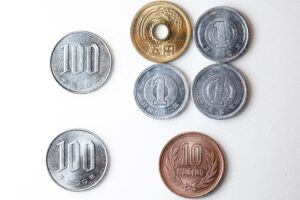
Even in big cities, cash is necessary in certain places. Travelers should keep a small amount of yen for situations like these:
1. Small, Family-Run Restaurants
Local ramen shops, small cafes, izakaya with a single owner, and mom-and-pop restaurants may accept only cash.
These places often serve some of the best food, so having yen means you won’t miss out.
2. Street Food Stands and Festival Stalls
Yatai (street food stalls), temple festivals, regional outdoor markets, and local snack sellers usually operate cash-only.
3. Countryside and Smaller Cities
Rural areas are improving but still rely heavily on cash for buses, local attractions, and shops.
4. Admission Fees at Shrines and Temples
Many major temples now accept cashless payments, but smaller shrines often take cash only.
Carrying around 10,000 yen in small bills is usually enough for daily needs.
How to Withdraw Cash at 7-Eleven ATMs
7-Eleven (Seven Bank) ATMs are extremely convenient for travelers—they accept most international cards and have English-language menus.
Steps to Withdraw Cash
- Insert your international card (Visa, Mastercard, Amex, etc.).
- Choose your language (English is available).
- Select “Withdrawal.”
- Choose which account type you want (usually “Checking”).
- Enter the amount in yen you wish to withdraw.
- Confirm and collect your cash and receipt.
7-Eleven ATMs are found in nearly every neighborhood, and they operate 24/7, making them the safest option for accessing yen.
Credit Cards and International Payment Tips
• Many mid-range and high-end restaurants accept cards without issues.
• Taxis in major cities accept cards and Suica, but it’s good to confirm before boarding.
• Contactless payments (Visa touch, Mastercard contactless) are increasingly common in airports, convenience stores, and chain cafes.
• Always have a backup payment method—Japan is safe, but systems sometimes go down unexpectedly.
Final Tips for a Smooth Trip
• Keep some cash for small shops and street food.
• Use Suica for transportation and quick purchases.
• Withdraw yen at 7-Eleven ATMs when needed.
• Don’t assume every business accepts cards—especially small, local ones.
\ Get the latest news /