The Culture of Uniforms in Japan – From Office Suits to School Outfits
 melomelotours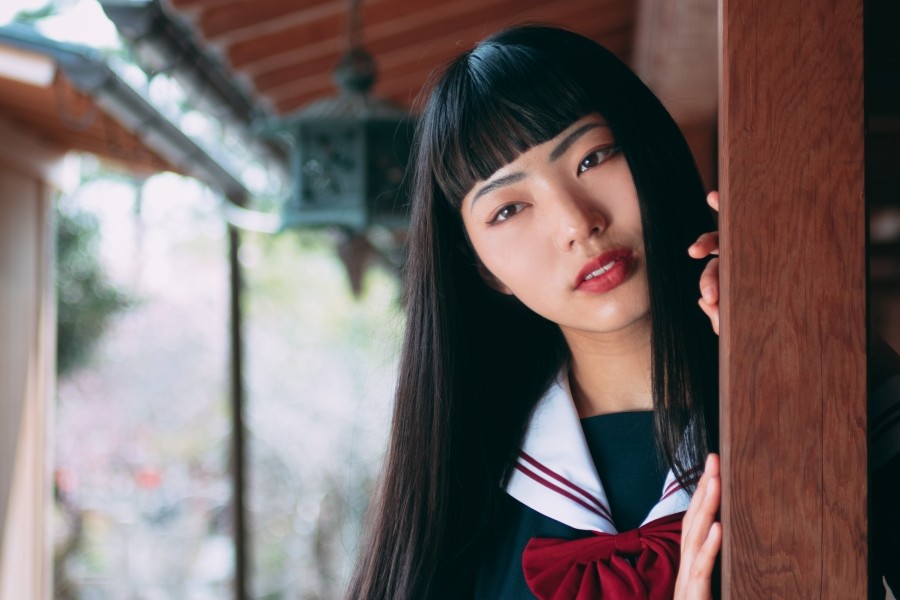
When walking through Tokyo or any Japanese city, you’ll quickly notice something unique — people dressed in similar, neat, and formal clothing. From businessmen in dark suits to students in matching school uniforms, uniform culture is deeply rooted in Japanese society. It reflects values like discipline, harmony, and respect — qualities that are central to Japan’s identity.
The Business Suit: Japan’s “Salaryman” Symbol
The image of a “salaryman” (サラリーマン) — a white-collar worker in a dark suit, white shirt, and tie — is one of Japan’s most recognizable symbols. These men (and increasingly women) are the backbone of Japan’s corporate world, representing hard work and dedication.
Why Suits Matter in Japan
In Japan, a suit is more than just business attire. It expresses professionalism, reliability, and team spirit.
- Colors: Most business suits are navy, gray, or black — neutral tones that project seriousness and unity.
- Shoes: Black leather shoes are the standard; sneakers or colorful shoes are rarely seen in the office.
- Accessories: A simple tie, watch, and briefcase complete the look.
During the hot and humid summer, many companies adopt “Cool Biz”, a government initiative encouraging lighter dress — no ties, no jackets — to save energy and stay comfortable. Despite this, Japanese office fashion remains conservative and elegant.
For travelers, seeing the morning rush hour filled with thousands of suited workers is like witnessing Japan’s social rhythm in motion — punctual, organized, and collective.
School Uniforms: A Blend of Tradition and Style
Japan’s school uniforms (seifuku, 制服) are another fascinating part of everyday life. Almost all junior high and high school students wear them, and the designs are instantly recognizable — so much so that they’ve become famous around the world through anime and pop culture.
Types of School Uniforms
- For Boys: The traditional style is called gakuran, inspired by 19th-century European military uniforms. It usually consists of a black or navy jacket with a standing collar and matching trousers.
- For Girls: The sailor uniform (sērā fuku) is iconic — a blouse with a sailor-style collar, a ribbon, and a pleated skirt. Some schools now use modern blazer-style uniforms that look more Western.
Each school has its own design, colors, and emblem, creating a strong sense of belonging among students. Wearing the uniform also teaches values like discipline, equality, and group identity, reflecting the same cultural mindset found in the workplace.
Uniforms in Everyday Life
Uniforms in Japan go beyond schools and offices. You’ll see them everywhere — from train staff and convenience store clerks to hotel employees and even flight attendants. These uniforms help create a sense of order, professionalism, and trust in daily interactions.
For visitors, it’s fascinating to see how much care Japanese people put into their appearance. Even casual outfits often look polished and intentional — a reflection of the cultural emphasis on presenting oneself neatly in public.
Why Visitors Find It Fascinating
For many foreign visitors, Japan’s uniform culture feels both traditional and stylish. The precision, elegance, and uniformity stand in contrast to the casual diversity of fashion in many other countries. Whether it’s the sight of businessmen hurrying through Tokyo Station or students chatting after school in matching uniforms, these scenes tell a story about Japan’s balance between individuality and harmony.
A Reflection of Japanese Values
Ultimately, Japan’s uniform culture represents more than just clothing. It reflects collective identity, respect for others, and pride in one’s role — values deeply embedded in Japanese life.
So next time you walk through Shibuya or ride the morning train, take a closer look at the suits and school uniforms around you. They’re not just outfits — they’re a window into Japan’s social fabric.
\ Get the latest news /