
Mount Fuji – Japan’s Iconic Symbol of Nature and Spirituality
 melomelotours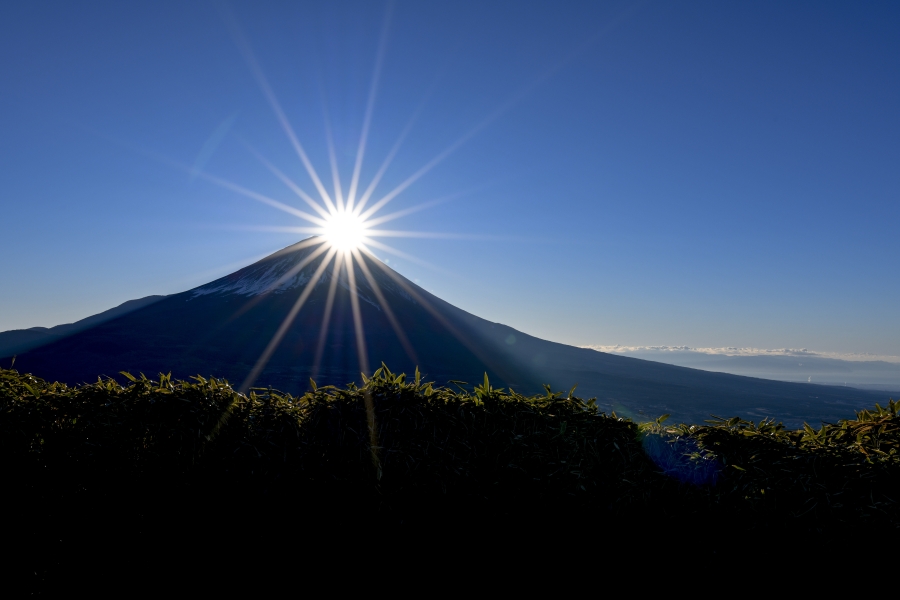
Mount Fuji (富士山, Fujisan) is Japan’s highest mountain, standing proudly at 3,776 meters (12,389 feet). Located on the border between Yamanashi and Shizuoka Prefectures, it is one of the country’s most recognizable landmarks and a UNESCO World Heritage Site. With its perfect conical shape and snow-capped peak, Mount Fuji has long been a source of inspiration for artists, poets, and travelers alike.
A Brief History and Cultural Significance
Mount Fuji is not just a mountain — it is deeply woven into Japan’s culture and spirituality. The mountain is considered sacred in Shintoism, and for centuries, pilgrims have climbed it to reach the summit where shrines are dedicated to Konohanasakuya-hime, the goddess of Mount Fuji.
The mountain we see today was formed by volcanic activity more than 100,000 years ago, with its last eruption occurring in 1707 (the Hoei eruption). Even now, Fuji is classified as an active volcano, though it has remained quiet for over 300 years.
Artists of the Edo period, such as Katsushika Hokusai and Utagawa Hiroshige, famously depicted Mount Fuji in their woodblock prints, further cementing its status as a national symbol.
Seeing Mount Fuji from the Shinkansen
One of the most popular and convenient ways to admire Mount Fuji is from the Shinkansen (bullet train). When traveling on the Tokaido Shinkansen between Tokyo and Osaka, the best view appears shortly after leaving Shin-Fuji Station (sit on the right-hand side when heading from Tokyo). On clear days, you can see the majestic mountain rising above the landscape — a breathtaking sight that perfectly captures the beauty of Japan.
Exploring Mount Fuji’s Fifth Station
The Fifth Station (Go-gōme) is the most accessible point on Mount Fuji for visitors who don’t plan to climb all the way to the summit. There are several Fifth Stations located on different climbing routes, but the most popular one is the Yoshida Trail’s Fifth Station, situated at around 2,305 meters (7,562 feet).
Here, visitors can enjoy stunning panoramic views of the surrounding landscapes and even glimpse the peak above. The area features restaurants, souvenir shops, shrines, and observation points, making it an ideal stop for those who want to experience Mount Fuji without a strenuous hike.
During the climbing season (July to early September), the Fifth Station serves as the starting point for most climbers, offering rental gear and buses connecting it to Kawaguchiko Station. Outside of climbing season, it remains a popular sightseeing destination, accessible by road for most of the year.
Visiting Mount Fuji and Nearby Attractions
There are many ways to experience Mount Fuji up close. During the official climbing season, hikers from around the world challenge themselves to reach the summit and watch the sunrise, known as Goraiko.
For those who prefer to enjoy the mountain from below, nearby attractions include:
- Lake Kawaguchiko, one of the Fuji Five Lakes, offering stunning reflections of the peak.
- Chureito Pagoda, a famous photo spot with Mount Fuji in the background.
- Fujisan Sengen Shrine, where climbers traditionally begin their ascent.
- Fuji-Q Highland, an amusement park known for its thrilling roller coasters and Fuji views.
Travel Tips
- Best time to visit: Winter and early spring (for clear views) or July–September (for climbing).
- Access: From Tokyo, take the JR Chuo Line to Otsuki Station, then transfer to the Fujikyuko Line to reach Kawaguchiko. Alternatively, take the Shinkansen to Shin-Fuji Station or Mishima and connect by bus.
- Weather: The mountain often hides behind clouds, so early morning is the best time for clear visibility.
- For first-time visitors: Even if you’re not hiking, a trip to the Fifth Station offers a memorable taste of Mount Fuji’s atmosphere and breathtaking scenery.
A Symbol Beyond Japan
Mount Fuji represents more than just a geographic landmark — it embodies the harmony between humans and nature. Whether seen from the window of a speeding Shinkansen, admired from the Fifth Station, or experienced at sunrise from the summit, Fuji’s timeless beauty continues to inspire all who visit Japan.
\ Get the latest news /