
Understanding Religion in Japan: Shinto, Buddhism, and Beyond
 melomelotours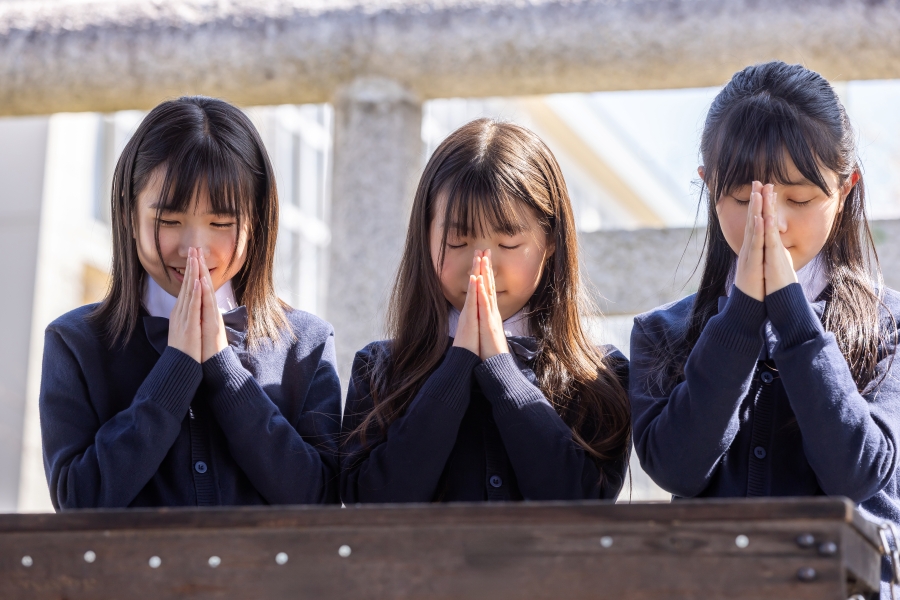
When you visit Japan, you might notice something surprising: shrines and temples stand side by side, and many Japanese people visit both—sometimes even on the same day. This reflects Japan’s unique and flexible approach to religion, one that blends Shinto, Buddhism, and even elements of Christianity into daily life without conflict.
Shinto: The Spirit of Nature
Shinto (神道) is Japan’s indigenous belief system, centered around kami—spirits or gods that exist in nature, animals, and even objects. You’ll find Shinto shrines (jinja) all across the country, marked by their red torii gates. People often visit shrines to pray for good fortune, safe travels, or success in school. Seasonal festivals (matsuri) also come from Shinto traditions and are still widely celebrated today.
Buddhism: A Path to Inner Peace
Buddhism arrived from China and Korea around the 6th century and became deeply rooted in Japanese culture. While Shinto focuses on life and nature, Buddhism often deals with death and the afterlife. That’s why funerals are typically Buddhist, while weddings are often Shinto-style. Famous temples such as Senso-ji in Tokyo and Kinkaku-ji in Kyoto reflect the deep spiritual and artistic influence of Buddhism.
Harmony, Not Division
Unlike in many countries where religion is exclusive, most Japanese people don’t consider themselves strictly “Shinto” or “Buddhist.” In fact, surveys show that many say they have “no religion,” even though they regularly visit temples, shrines, or hold Buddhist memorials at home. For many, these practices are part of culture and tradition rather than a formal belief system.
Christianity and Modern Influences
Christianity has a small presence in Japan—less than 2% of the population—but it has influenced modern culture. For example, Christmas is celebrated as a festive, romantic holiday, and Western-style weddings in chapels are very popular, even among non-Christians.
Experiencing Japan’s Spiritual Side
As a traveler, you can experience Japan’s religious harmony firsthand by visiting both shrines and temples.
- Purify your hands and mouth before entering a shrine.
- Ring the bell and bow twice, clap twice, then bow once more when you pray.
- At temples, you can light incense or draw an omikuji (fortune slip).
These small rituals offer a glimpse into how Japanese people balance spirituality, culture, and everyday life.
\ Get the latest news /