
Traditional Japanese Fruits – A Taste of Seasonality and Craftsmanship
 melomelotours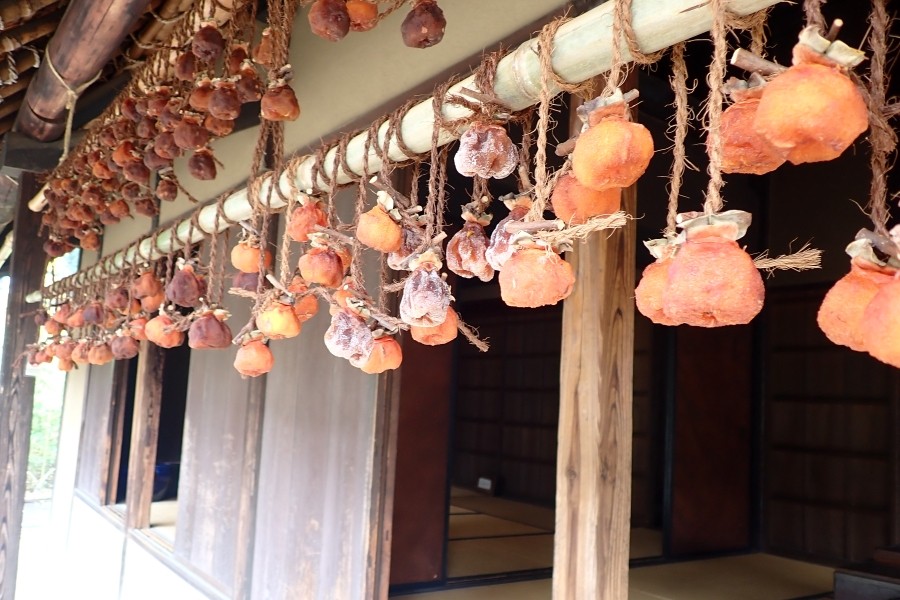
Japan is known not only for its refined cuisine but also for its unique fruit culture. Traditional Japanese fruits are deeply connected to seasonality, regional identity, and a strong respect for nature.
Unlike mass-produced fruit found elsewhere, many Japanese fruits are carefully cultivated, often treated as seasonal delicacies or even luxury gifts.
This article introduces some of the most traditional and culturally important fruits in Japan.
The Role of Fruit in Japanese Culture
In Japan, fruit has long been valued not just as food, but as something to appreciate visually and seasonally. Historically, fruits were offered to gods at shrines, served to guests, or enjoyed as special treats rather than daily snacks.
Perfect shape, balance of sweetness and acidity, and peak-season flavor are all considered important.
Mikan (Japanese Mandarin Orange) – The Taste of Winter
Mikan is one of the most familiar and beloved fruits in Japan. It is especially associated with winter.
Characteristics
- Easy to peel
- Mild sweetness with gentle acidity
- Juicy and refreshing
Cultural Notes
Mikan is famously eaten at home while sitting under a kotatsu (heated table) during winter. It represents comfort and nostalgia for many Japanese people.
Kaki (Persimmon) – Sweetness of Autumn
Kaki, or Japanese persimmon, has been enjoyed in Japan for centuries.
Characteristics
- Honey-like sweetness when ripe
- Smooth, soft texture
- Bright orange color
How It’s Enjoyed
- Fresh and ripe
- Dried as hoshigaki, a traditional preservation method
Persimmon trees are a common sight in rural Japan and symbolize the autumn season.
Nashi (Japanese Pear) – Crisp and Refreshing
Nashi differs from Western pears with its round shape and crisp texture.
Characteristics
- Very juicy
- Light sweetness
- Crunchy, apple-like texture
Cultural Notes
Nashi is often enjoyed chilled during summer and is valued for its refreshing quality rather than intense sweetness.
Ume (Japanese Plum) – Sour, Fragrant, and Versatile
Ume has a long history in Japan and is rarely eaten raw.
Characteristics
- Strong acidity
- Floral aroma
- Deep cultural significance
How It’s Used
- Umeboshi (pickled plums)
- Umeshu (plum wine)
- Plum syrups and sauces
Ume is associated with early spring and is admired for blooming before cherry blossoms.
Yuzu – Aromatic Citrus of Japan
Yuzu is a traditional Japanese citrus fruit known more for its fragrance than sweetness.
Characteristics
- Strong citrus aroma
- Tart flavor
- Thick, aromatic peel
How It’s Used
- Flavoring for sauces and soups
- Yuzu kosho (spicy citrus paste)
- Yuzu baths during the winter solstice
Yuzu adds a distinctly Japanese touch to both traditional and modern cuisine.
Japanese Fruit as Seasonal Luxury
In Japan, fruit is often beautifully packaged and given as a gift. High-quality fruit reflects craftsmanship, patience, and respect for nature. Even simple fruits are treated with care, emphasizing quality over quantity.
For travelers, trying fruit at its seasonal peak offers a deeper understanding of Japanese food culture.
Enjoying Traditional Japanese Fruits as a Visitor
Visitors can experience traditional fruits at:
- Local markets
- Department store food halls
- Ryokan meals
- Seasonal festivals
Tasting fruit in Japan is a quiet but meaningful way to connect with the country’s sense of seasonality.
Conclusion
Traditional Japanese fruits are more than just something sweet—they reflect Japan’s values of harmony with nature, patience, and appreciation of the seasons.
Whether enjoying a winter mikan or fragrant yuzu, each fruit tells a story deeply rooted in Japanese culture.
\ Get the latest news /