Japanese Shrimp Culture – A Guide to Ise Ebi, Kuruma Ebi, and Ama Ebi
 melomelotours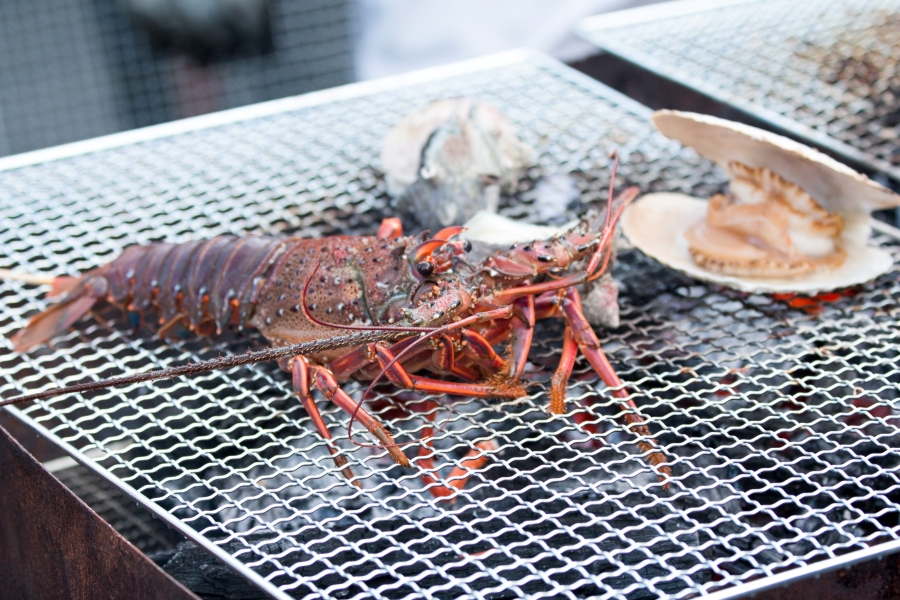
Shrimp (ebi) plays an important role in Japanese cuisine, symbolizing celebration, elegance, and refined flavor. From luxurious sashimi to classic tempura, Japanese shrimp dishes focus on freshness, texture, and natural sweetness rather than heavy seasoning.
This article introduces some of the most popular types of shrimp enjoyed in Japan and how they are traditionally prepared.
Why Shrimp Is Special in Japan
In Japan, shrimp is often associated with auspicious occasions and fine dining. The curved shape of shrimp is traditionally linked to longevity, which is why it frequently appears in celebratory meals and New Year dishes.
Japanese cooking highlights the shrimp’s natural flavor, allowing even subtle differences between species to shine.
Ise Ebi (Japanese Spiny Lobster) – Luxurious and Elegant
Ise ebi is one of the most luxurious seafood ingredients in Japan. With its striking long antennae and firm texture, it is often served on special occasions.
Characteristics
- Firm, chewy texture
- Clean, refined sweetness
- Visually impressive presentation
How It’s Eaten
- Sashimi, served fresh with the head displayed
- Grilled (yaki-ebi)
- Miso soup made from the head (ara-jiru)
Ise ebi is especially famous in Mie Prefecture and coastal regions, where freshness is key.
Kuruma Ebi (Japanese Tiger Prawn) – The Star of Tempura
Kuruma ebi is considered the king of shrimp for tempura. Its firm meat and deep umami flavor make it a favorite among professional chefs.
Characteristics
- Firm, springy texture
- Rich umami flavor
- Holds its shape well when cooked
How It’s Eaten
- Tempura (most famous preparation)
- Grilled with salt
- Lightly boiled and served chilled
High-end tempura restaurants often use live kuruma ebi to ensure maximum freshness and texture.
Ama Ebi (Sweet Shrimp) – Soft, Sweet, and Delicate
Ama ebi, meaning “sweet shrimp,” is beloved for its soft texture and natural sweetness. It is commonly enjoyed raw.
Characteristics
- Very sweet flavor
- Soft, delicate texture
- Bright red color when raw
How It’s Eaten
- Sashimi
- Sushi (nigiri or gunkan style)
- Fried heads served as a crunchy snack
Ama ebi is popular at sushi restaurants and seafood markets across Japan.
Regional Shrimp Specialties in Japan
Different regions are known for specific types of shrimp:
- Mie Prefecture: Ise ebi
- Seto Inland Sea & Kyushu: Kuruma ebi
- Hokkaido & Sea of Japan coast: Ama ebi
Trying shrimp in its local region offers the freshest taste and a deeper cultural experience.
Best Season for Shrimp in Japan
While shrimp is available year-round, many varieties are best enjoyed from late summer to winter, depending on species and location. Seasonal shrimp tends to have better texture and sweetness.
Enjoying Shrimp in Japan as a Traveler
Travelers can enjoy Japanese shrimp in many forms:
- Sushi and sashimi counters
- Tempura specialty restaurants
- Traditional ryokan meals
- Local fish markets and street food stalls
Watching chefs prepare shrimp—especially tempura—is an experience in itself.
Conclusion
From the luxurious Ise ebi to the refined kuruma ebi and the sweet, delicate ama ebi, shrimp in Japan offers incredible variety and depth.
Exploring Japanese shrimp dishes is a delicious way to understand the country’s respect for seasonality, craftsmanship, and natural flavor.
\ Get the latest news /