Japanese Crab Culture – A Guide to Taraba, Zuwai, and Kegani
 melomelotours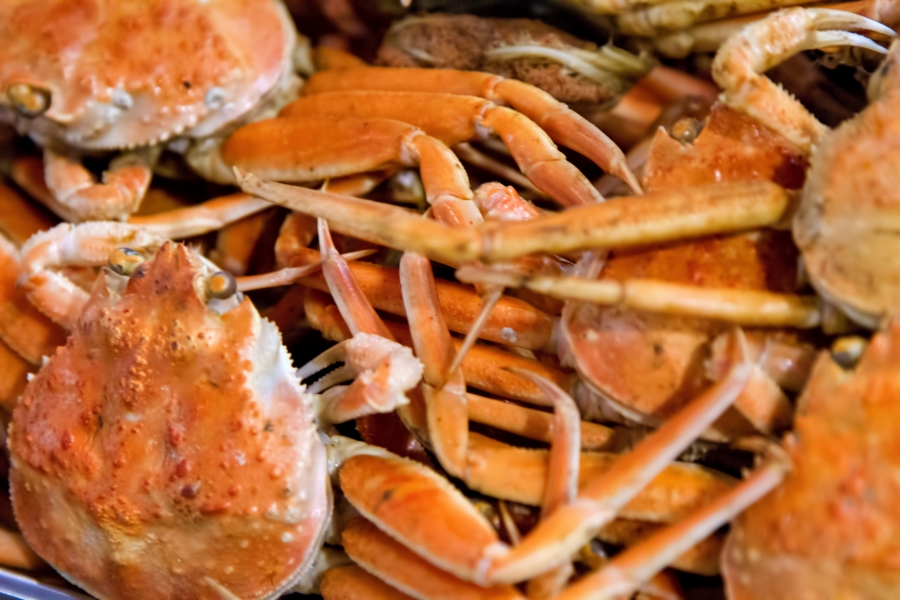
Japan is famous for its seafood, and crab (kani) holds a very special place in Japanese cuisine. From winter delicacies enjoyed at hot spring towns to luxurious kaiseki meals, crab is deeply connected to seasonality, regional pride, and refined flavors.
In this article, we introduce the most popular types of crab enjoyed in Japan and how they are traditionally eaten.
Why Crab Is So Special in Japan
Crab in Japan is considered a seasonal luxury, especially during winter. Rather than heavy seasoning, Japanese cuisine focuses on bringing out the crab’s natural sweetness and delicate umami.
Freshness, origin, and timing are everything—many people even travel specifically for crab during peak season.
Taraba Crab (King Crab) – Big, Meaty, and Impressive
Taraba-gani is often called “king crab,” although biologically it is closer to a hermit crab. It is famous for its enormous size and thick, meaty legs.
Characteristics
- Firm, juicy texture
- Mild sweetness
- Large portions, very satisfying
How It’s Eaten
- Grilled (yaki-gani)
- Steamed or boiled
- Hot pot (kani nabe)
Taraba crab is popular at celebrations and banquets, where its visual impact and volume make it perfect for sharing.
Zuwai Crab (Snow Crab) – Sweet and Elegant
Zuwai-gani, also known as snow crab, is the most iconic crab in Japan. It is especially prized along the Sea of Japan coast during winter.
Characteristics
- Fine, delicate meat
- Strong natural sweetness
- Elegant texture
How It’s Eaten
- Lightly boiled with minimal seasoning
- Crab sashimi (kani sashimi), when extremely fresh
- Hot pot (kani suki)
- Rice porridge made with crab broth (kani zosui)
Zuwai crab is often associated with luxury ryokan stays and winter travel experiences.
Kegani (Hairy Crab) – Small but Deeply Flavorful
Kegani, or hairy crab, may be smaller than other crabs, but it is loved for its rich flavor and especially its crab miso (kani miso).
Characteristics
- Intense umami flavor
- Creamy, rich crab miso
- Dense meat
How It’s Eaten
- Simply boiled to enjoy natural flavor
- Crab miso eaten on its own or with sake
- Mixed with rice or tofu dishes
Kegani is often appreciated by seafood lovers who value depth of flavor over size.
Regional Crab Specialties in Japan
Different regions are famous for specific types of crab:
- Hokkaido: Taraba, Zuwai, and Kegani
- Tottori & Hokuriku region: High-quality Zuwai crab
- Kyoto & Kanazawa: Elegant crab cuisine in traditional kaiseki
Traveling during crab season allows visitors to enjoy local styles and the freshest possible seafood.
When Is the Best Season for Crab in Japan?
Crab season generally peaks in winter (November to March), though exact timing varies by species and region. This is when crab meat is sweetest and most abundant, making winter one of the best times to enjoy Japanese cuisine.
Enjoying Crab in Japan as a Traveler
Visitors can enjoy crab in many ways:
- Traditional ryokan meals
- Specialized crab restaurants
- Local fish markets
- High-end kaiseki dining
Trying crab in Japan is not just about eating—it’s about experiencing seasonality, craftsmanship, and regional culture.
Conclusion
From the impressive size of Taraba crab to the refined sweetness of Zuwai crab and the rich umami of Kegani, crab in Japan offers an unforgettable culinary experience.
If you are visiting Japan during winter, enjoying local crab dishes is one of the most authentic ways to connect with Japanese food culture.
\ Get the latest news /