
How Many Train Stations Are There in Tokyo?
 melomelotours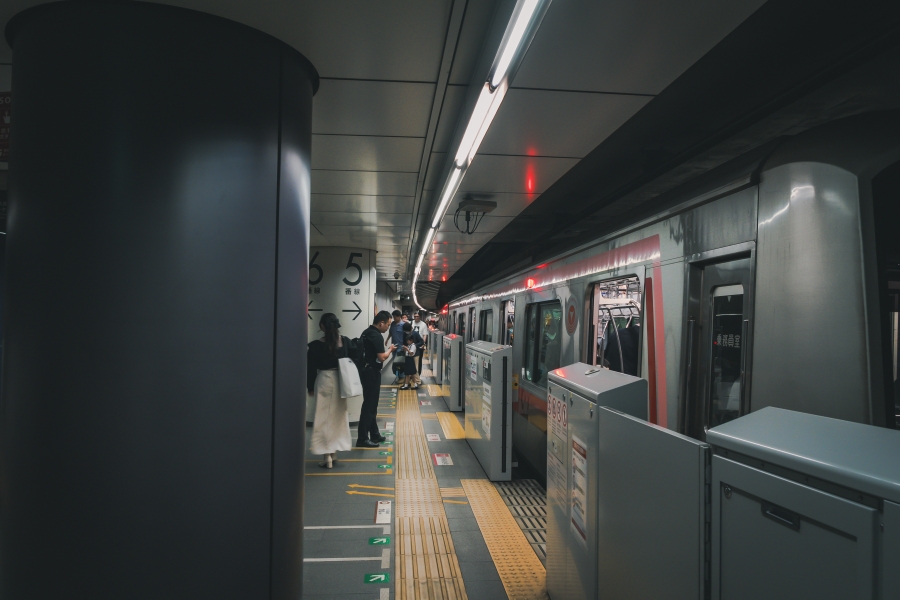
Tokyo has an extraordinarily dense railway network. When counting all operators within the Tokyo metropolitan area, there are around 1,000 train stations.
This number includes stations operated by:
- JR East (Japan Railways East)
- Tokyo Metro
- Toei Subway
- Private railway companies such as Tokyu, Keio, Odakyu, Seibu, and Tobu
Because multiple companies often operate stations with the same name, travelers may feel that Tokyo has “endless” stations — and in many ways, that feeling is accurate.
Approximate Breakdown
- JR East stations in the greater Tokyo area: about 500
- Tokyo Metro stations: 180
- Toei Subway stations: 106
- Private railway stations: several hundred
Thanks to this density, almost every neighborhood in Tokyo is within walking distance of a train station.
The Busiest Train Stations in Tokyo
Estimated Total Daily Users (All Railway Companies Combined)
- Shinjuku Station
Approximately 3.5 million users per day
Widely recognized as the busiest train station in the world. - Shibuya Station
Approximately 3.0 million users per day
A major hub for shopping, entertainment, and business. - Ikebukuro Station
Approximately 2.7 million users per day
One of Tokyo’s largest terminal stations serving the northwest area. - Tokyo Station
Approximately 2.5 million users per day
The main gateway for Shinkansen bullet trains and long-distance travel. - Ueno Station
Approximately 1.6 million users per day
A key hub for northern Japan and popular tourist areas. - Shinagawa Station
Approximately 1.5 million users per day
An important Shinkansen stop and airport access point. - Kita-Senju Station
Approximately 1.3 million users per day
A major transfer hub in northeastern Tokyo.
These numbers fluctuate by year, but the rankings remain largely consistent.
Why Are These Stations So Busy?
Shinjuku Station
Shinjuku serves as a massive hub connecting JR lines, subways, and private railways. It also sits in one of Tokyo’s largest business and entertainment districts, attracting commuters, shoppers, and tourists throughout the day.
Tokyo Station
Tokyo Station is the main gateway for Shinkansen (bullet trains). It connects Tokyo with major cities across Japan and handles enormous numbers of business travelers and tourists.
Shibuya and Ikebukuro
Both stations are major commercial centers with department stores, offices, and entertainment venues. They are also key transfer points between multiple railway lines.
Subway Stations and Passenger Numbers
In addition to JR lines, Tokyo’s subway systems carry millions of passengers daily.
- Tokyo Metro operates the largest subway network and sees several million riders each day.
- Stations such as Ikebukuro, Otemachi, Ginza, and Kita-Senju rank among the busiest subway stations due to their role as transfer hubs and business centers.
Subway stations are especially crowded during morning and evening rush hours, typically between 7:30–9:30 AM and 5:00–7:00 PM.
What This Means for Travelers
Tokyo’s large number of stations makes the city extremely accessible, but it can feel overwhelming at first.
Tips for visitors:
- Use an IC card such as Suica or PASMO for easy travel across all railway companies.
- Allow extra time when transferring at large stations like Shinjuku or Tokyo.
- Follow station signage carefully — English signs are widely available.
Conclusion
With around 1,000 train stations and some of the busiest rail hubs on Earth, Tokyo’s railway system is a defining feature of the city. While it may seem complex, it is also remarkably efficient and visitor-friendly once you get used to it.
Understanding how Tokyo’s train network works will make your trip smoother and allow you to explore the city with confidence.
If you would like help planning a Tokyo itinerary that minimizes transfers or avoids the busiest stations, melomelo tours can design a relaxed and efficient route tailored to your travel style.
\ Get the latest news /