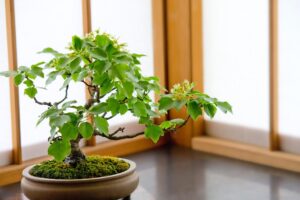
What Is Bonsai? – A Simple Introduction to Japan’s Living Art
 melomelotours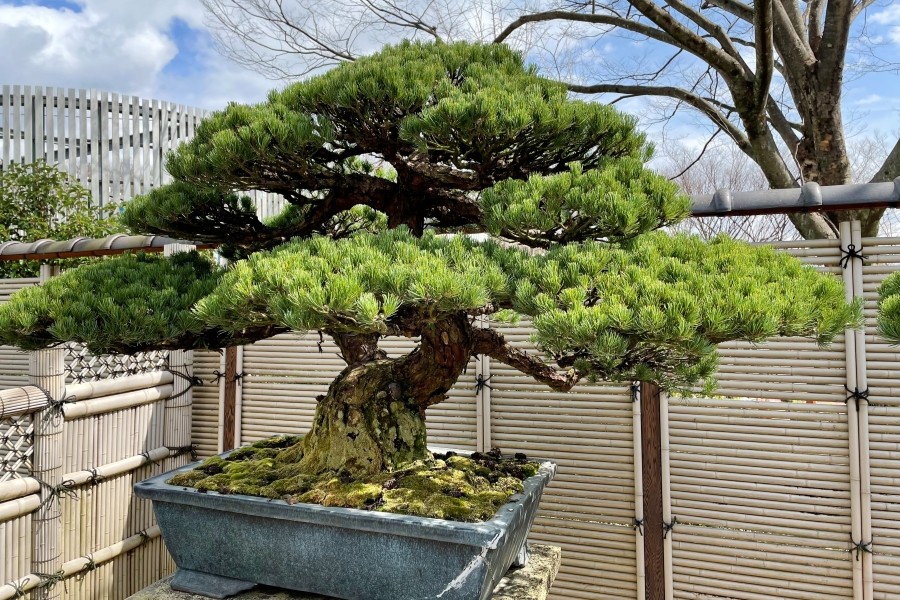
Bonsai is often described as a miniature tree, but in Japan, it is understood as something much deeper.
Bonsai is a living art form that reflects patience, balance, and a close relationship with nature.
In this article, we explain what bonsai is, where it comes from, and why it continues to fascinate people around the world.
What Does “Bonsai” Mean?
The word bonsai (盆栽) comes from two Japanese characters:
- Bon (盆) – a shallow tray or pot
- Sai (栽) – to plant or cultivate
Literally, bonsai means “a tree planted in a tray.”
However, the meaning goes far beyond its translation.
Bonsai is the art of growing and shaping trees in containers to express the beauty of nature in a small, controlled space.
Is Bonsai Just a Small Tree?
A common misunderstanding is that bonsai trees are special dwarf species.
In fact, bonsai trees are normal trees—the same species that grow in nature.
Their small size is achieved through:
- Careful pruning
- Wiring branches to guide growth
- Root management
- Long-term cultivation
Some bonsai trees are over 100 or even 300 years old, passed down through generations.
The Origins of Bonsai
Bonsai originated in ancient China as penjing and was later introduced to Japan over a thousand years ago.
In Japan, the art evolved with a unique aesthetic, focusing on simplicity, harmony, and natural beauty.
Over time, bonsai became closely connected to Zen philosophy and the Japanese appreciation of nature.
Types of Bonsai Trees
Many kinds of trees can be used for bonsai. Popular examples include:
- Pine trees – symbolizing strength and longevity
- Japanese maple – loved for seasonal color changes
- Juniper – known for dramatic shapes and deadwood
- Cherry and plum – appreciated for their delicate flowers
Each species expresses a different mood and season.
Bonsai and Japanese Aesthetics
Bonsai reflects key Japanese concepts such as:
- Wabi-sabi – beauty in imperfection and impermanence
- Ma – the importance of space and balance
- Respect for nature – working with nature, not against it
Rather than forcing a tree into an artificial shape, bonsai artists aim to reveal the tree’s natural character.
Why Bonsai Takes Time
Bonsai cannot be rushed.
Shaping a tree may take decades, requiring constant observation and care.
This slow process teaches:
- Patience
- Mindfulness
- Acceptance of change
In this way, bonsai is not only about creating beauty, but also about personal growth.
Bonsai Today
Today, bonsai is practiced all over the world, but Japan remains its spiritual home.
Visitors can enjoy bonsai in:
- Traditional gardens
- Museums
- Specialty shops
- Hands-on workshops
Experiencing bonsai in Japan offers a deeper understanding of how the art is connected to daily life and culture.
Conclusion
Bonsai is more than a plant in a pot.
It is a quiet conversation between humans and nature, shaped over time.
For travelers interested in Japanese culture, learning about bonsai is a wonderful way to understand Japan’s values of patience, harmony, and respect for the natural world.
If you would like to include a bonsai experience in your journey, melomelotours.com can help design a cultural itinerary tailored just for you.
\ Get the latest news /