
What Does “Irasshaimase” Mean? – Why Japanese Staff Say It So Often
 melomelotours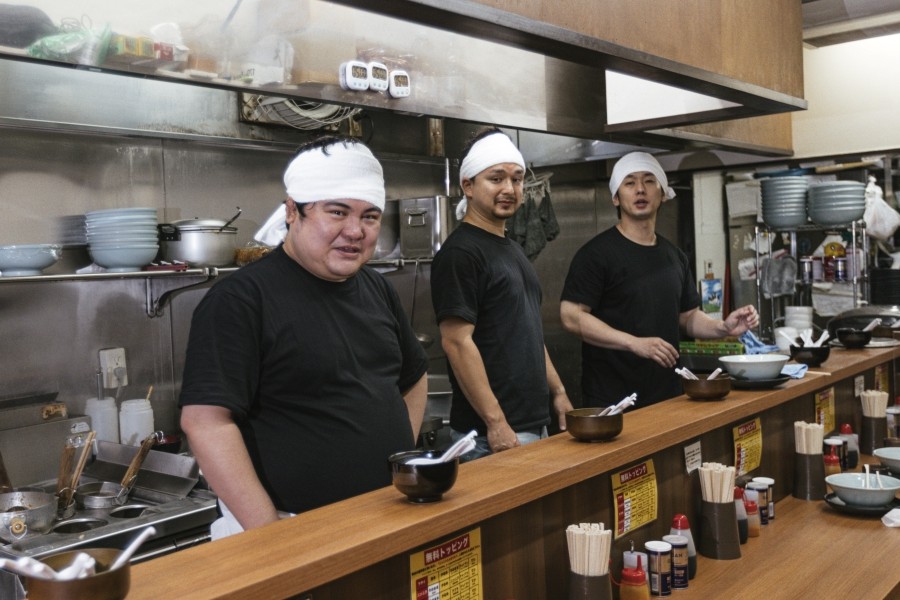
If you visit Japan, one of the first Japanese words you will hear is “Irasshaimase.”
You’ll hear it the moment you step into a shop, restaurant, izakaya, or convenience store. Staff may say it loudly, cheerfully, or even in unison. For many visitors, it can feel surprising or even overwhelming.
So what does irasshaimase actually mean—and how should you respond?
Literal Meaning of “Irasshaimase”
Irasshaimase comes from the verb “irassharu,” an honorific form of “to come” or “to be.”
Literally, it means “Please come in” or “Welcome.”
However, in practice, irasshaimase is not a greeting meant to start a conversation. It’s closer to an announcement that says, “We acknowledge your presence and welcome you as a customer.”
Why Is It Said So Loudly?
In Japanese service culture, being attentive without being intrusive is important. Saying irasshaimase loudly serves several purposes:
- It shows the shop is open and ready to serve
- It acknowledges the customer without forcing interaction
- It creates an energetic and welcoming atmosphere
Especially in busy places like ramen shops or department stores, the loud call helps staff communicate awareness rather than friendliness.
Do You Need to Reply?
This is one of the most common questions from visitors.
The answer is no—you don’t need to respond.
Customers in Japan usually:
- Ignore it
- Nod slightly
- Smile politely
Saying “hello” or “thank you” is fine, but silence is completely normal. Irasshaimase is not a question and does not require a reply.
Not the Same as “Hello”
Many visitors assume irasshaimase means “hello,” but that’s not quite right. It’s a one-way expression used by staff, not a conversational greeting.
This is why staff continue working even if you don’t answer—it’s functioning more like background hospitality than direct communication.
The Cultural Meaning Behind the Word
Irasshaimase reflects Japan’s concept of omotenashi—hospitality that anticipates needs without demanding attention.
By welcoming customers immediately and consistently, shops show respect and readiness. The phrase is less about warmth and more about professionalism and responsibility.
Variations You Might Hear
Depending on the place, you may hear:
- Shortened versions like “Irasshai!”
- Very formal, elongated versions in high-end stores
- Energetic group calls in restaurants
All of them serve the same purpose: welcoming you into the space.
Should Foreigners Use “Irasshaimase”?
As a customer, you generally do not use irasshaimase. It’s reserved for staff.
If you want to be polite, a smile or a simple “Arigatou” is more appropriate when leaving.
Conclusion
Irasshaimase may sound loud or repetitive at first, but it’s a key part of Japanese daily life. It signals respect, readiness, and a uniquely Japanese approach to customer service.
Once you understand that it doesn’t require a response, shopping and dining in Japan becomes much more comfortable—and even enjoyable.
\ Get the latest news /