“Mottainai” – A Japanese Philosophy of Respect and Gratitude
 melomelotours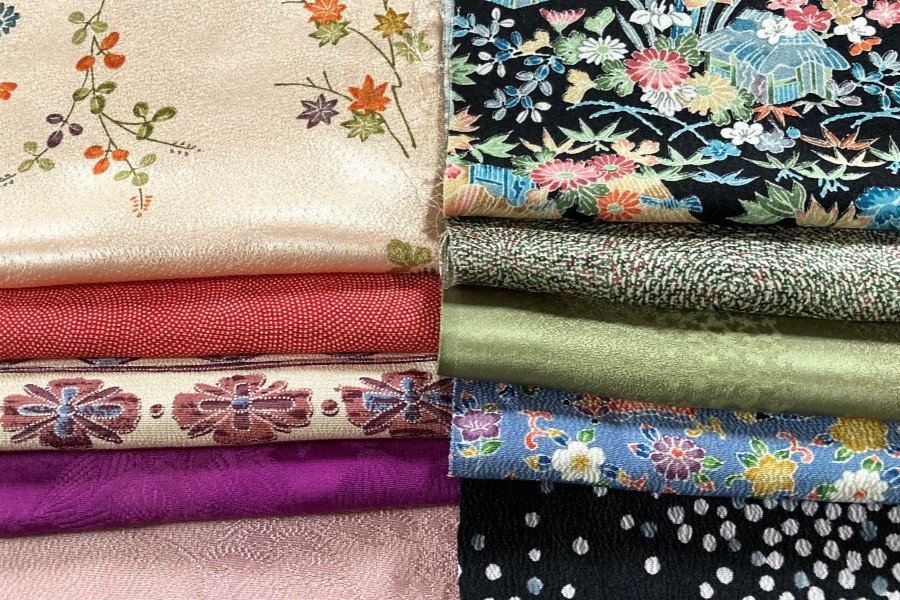
“Mottainai” is a Japanese word often translated as “what a waste,” but its meaning goes much deeper.
It expresses respect for objects, resources, time, and the effort behind them.
In Japan, wasting something usable is not just inefficient—it feels disrespectful.
This mindset has shaped Japanese daily life for centuries.
The Cultural Roots of “Mottainai”
The idea of mottainai comes from Buddhist and Shinto beliefs, which emphasize gratitude toward nature and all living things.
Everything is believed to have value and spirit, and nothing should be taken lightly.
Because of this, people traditionally tried to use things as long and as carefully as possible.
Kimono Culture and “Mottainai”
Kimono are a perfect example of the mottainai spirit.
Traditionally, kimono were not thrown away when they became old or damaged.
They were taken apart, resized, re-dyed, or remade into new items such as children’s clothing, bags, or household textiles.
Even today, vintage kimono fabrics are reused in modern fashion and interior design—showing how beauty can continue through reuse.
Recycling in the Edo Period
During the Edo period (1603–1868), Japan had one of the most advanced recycling systems in the world.
Because resources were limited, almost everything was reused:
- Paper was collected and recycled
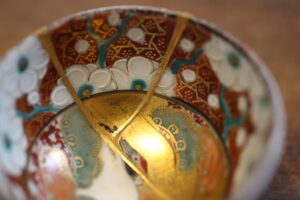
- Broken tools and ceramics were repaired
- Old clothes were mended and passed down
Specialized recycling businesses existed long before modern waste management.
This society functioned with very little waste—true mottainai in action.
Mottainai in Everyday Japanese Life
Food and Dining
Finishing your meal shows appreciation for the ingredients and the people who prepared it.
Repair Over Disposal
From fixing umbrellas to practices like Kintsugi, repair is valued over replacement.
Careful Use of Resources
Water, energy, and materials are used thoughtfully, avoiding excess whenever possible.
Mottainai and Sustainable Travel Today
In today’s world, mottainai closely aligns with sustainable and eco-conscious travel.
For visitors to Japan, understanding this philosophy encourages:
- Respectful behavior
- Mindful consumption
- Appreciation of craftsmanship and history
Travel becomes not just sightseeing, but cultural understanding.
Conclusion
“Mottainai” is more than a word—it is a philosophy deeply woven into Japanese history and daily life.
From kimono reuse to Edo-period recycling, it shows how Japan has long valued sustainability.
By embracing mottainai, travelers can connect with Japan in a more meaningful and thoughtful way.
\ Get the latest news /