
Exploring Tokyo’s Specialty Districts: A Guide Beyond the Usual Sightseeing
 melomelotours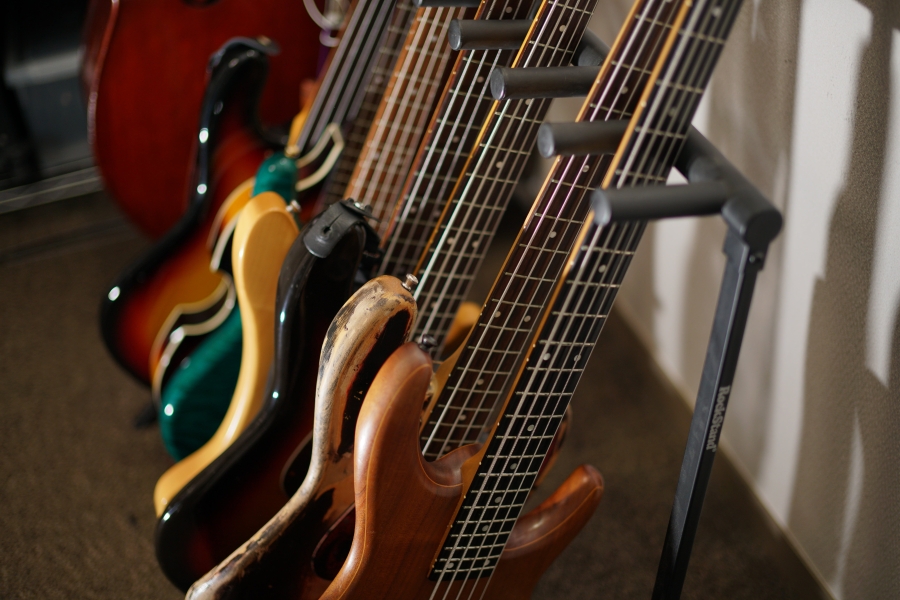
Tokyo is a massive metropolis, but one of its most fascinating features is how entire neighborhoods specialize in specific themes.
From anime and vintage fashion to antiques, books, kitchen tools, and musical instruments, these districts reflect Japan’s deep craftsmanship, subcultures, and commercial history.
If you want to explore Tokyo beyond famous landmarks, visiting these specialty districts is highly recommended.
Akihabara|Electronics, Anime, and Otaku Culture
Specialty: Electronics, Anime, Games, Figures
Akihabara began as an electronics district after World War II and has evolved into the global center of anime and otaku culture.
Today, electronics shops coexist with anime stores, figure shops, capsule toy stores, and maid cafés.
- Highlights: Anime shops, electronics megastores, capsule toy stores
- Nearest Station: Akihabara Station (JR / Tokyo Metro Hibiya Line / Tsukuba Express)
Nakano|Pop Culture and Hidden Collectibles
Specialty: Anime, Manga, Subculture
Nakano is often described as a more local and compact alternative to Akihabara.
The heart of the area is Nakano Broadway, a shopping complex filled with specialty stores selling rare anime goods, vintage toys, idol merchandise, and collectibles.
- Highlights: Nakano Broadway, niche pop culture items
- Nearest Station: Nakano Station (JR Chuo Line / Sobu Line / Tokyo Metro Tozai Line)
Shimokitazawa|Vintage Fashion and Youth Culture
Specialty: Vintage Clothing, Theater, Music
Shimokitazawa is known for its relaxed atmosphere and independent spirit.
The area is packed with vintage clothing stores, record shops, small theaters, and cozy cafés, making it a favorite among young locals and creatives.
- Highlights: Vintage shopping, indie cafés, small theaters
- Nearest Station: Shimokitazawa Station (Odakyu Line / Keio Inokashira Line)
Ura-Harajuku|Street Fashion and Creative Subculture
Specialty: Street Fashion, Independent Brands
Ura-Harajuku, literally meaning “the back streets of Harajuku,” refers to the narrow streets behind Takeshita Street and Omotesando.
This area is the birthplace of many influential Japanese street fashion brands and trends, blending skate culture, art, and design.
Unlike the crowded main streets, Ura-Harajuku offers a more authentic look at Tokyo’s fashion subculture.
- Highlights: Independent fashion brands, concept stores, street art
- Nearest Station: Meiji-jingumae Station (Chiyoda / Fukutoshin Lines) or Harajuku Station (JR Yamanote Line)
Kappabashi (Kitchen Town)|Professional Cooking Tools
Specialty: Kitchenware, Tableware, Food Samples
Kappabashi is where chefs and restaurant owners shop for professional kitchen tools.
Visitors can find Japanese knives, ceramic tableware, cookware, and realistic plastic food displays.
- Highlights: Knife shops, tableware, food sample stores
- Nearest Stations:
- Tawaramachi Station (Tokyo Metro Ginza Line)
- Asakusa Station (Tsukuba Express)
Antique Street (Minami-Aoyama)|Design and High-End Antiques
Specialty: Antiques, Design, Fashion
Located near Omotesando, Antique Street in Minami-Aoyama features refined antique shops, galleries, and designer boutiques.
The calm atmosphere makes it ideal for leisurely walking and architectural observation.
- Highlights: Antique shops, galleries, stylish cafés
- Nearest Station: Omotesando Station (Ginza / Hanzomon / Chiyoda Lines)
Kyobashi Antique Street|Traditional Antiques and Art Dealers
Specialty: Japanese Antiques, Fine Art
Kyobashi Antique Street is one of Tokyo’s most historic antique districts.
It is home to long-established dealers specializing in Japanese antiques, ceramics, calligraphy, and traditional art.
- Highlights: High-quality Japanese antiques, traditional art
- Nearest Station: Kyobashi Station (Tokyo Metro Ginza Line)
Bakurocho|Textile and Apparel Wholesale District
Specialty: Fabrics, Apparel Wholesale
Bakurocho and nearby Bakuroyokoyama form Tokyo’s textile wholesale district.
While traditionally for professionals, many shops now welcome general visitors.
- Highlights: Fabric shops, wholesale apparel
- Nearest Stations:
- Bakurocho Station (JR Sobu Rapid Line)
- Bakuroyokoyama Station (Toei Shinjuku Line)
Kuramae|Craftsmanship and Modern Design
Specialty: Leather Goods, Stationery, Crafts
Once a wholesale district, Kuramae has transformed into a creative hub.
Small workshops and design-focused shops sell handmade leather goods and lifestyle items.
- Highlights: Craft shops, design cafés
- Nearest Station: Kuramae Station (Toei Asakusa Line / Oedo Line)
Jimbocho|A World-Class Used Book District
Specialty: Used Books, Academic Publications
Jimbocho is one of the world’s largest used book districts, with over 100 bookstores.
Many shops specialize in specific genres such as literature, history, art, or film.
- Highlights: Used bookstores, classic cafés
- Nearest Station: Jimbocho Station (Hanzomon Line / Toei Mita Line / Shinjuku Line)
Ochanomizu|Musical Instruments and Student Life
Specialty: Musical Instruments, Universities
Ochanomizu is famous for its instrument shops, especially guitars and wind instruments.
The nearby universities give the area a lively student atmosphere.
- Highlights: Instrument shops, student culture
- Nearest Station: Ochanomizu Station (JR Chuo Line / Sobu Line / Tokyo Metro Marunouchi Line)
Discover a Different Side of Tokyo
Tokyo’s specialty districts reveal the city’s depth beyond famous tourist attractions.
By choosing areas based on your interests—fashion, antiques, food, books, or pop culture—you can experience a more personal and meaningful journey.
Exploring these neighborhoods is one of the best ways to understand Japanese craftsmanship, subcultures, and everyday urban life.
\ Get the latest news /